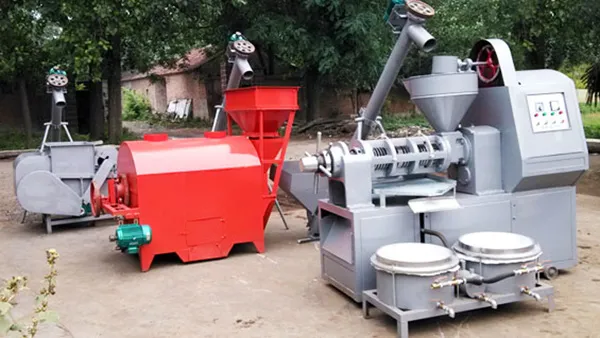
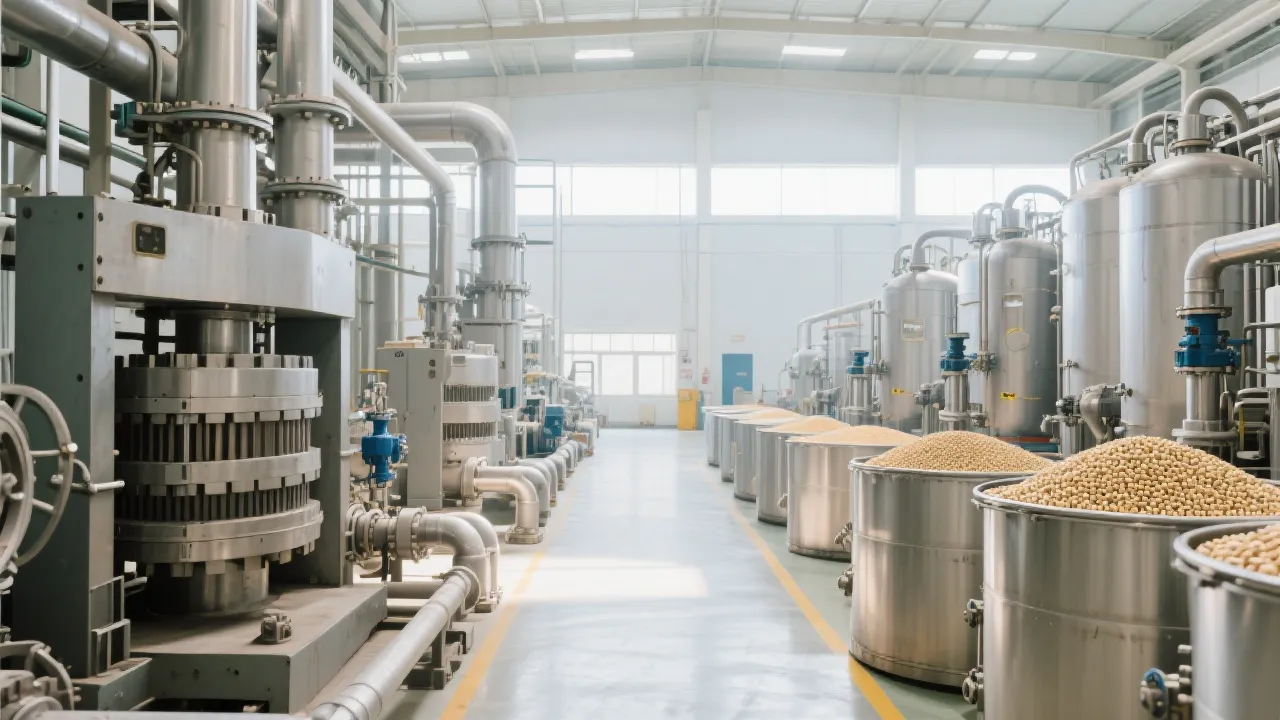
In the realm of animal feed meal production, the solvent extraction method has emerged as an indispensable technique. This method leverages high - affinity solvents such as hexane to precisely extract oils from soybeans. The principle is based on the solubility of oils in hexane. When soybeans are immersed in the solvent, the oil dissolves in the solvent, forming a miscella. This approach allows for a far more efficient extraction process compared to traditional methods.
Several key process parameters, including temperature, time, and solvent - to - material ratio, significantly impact the extraction efficiency. For instance, a higher temperature generally accelerates the diffusion of oil into the solvent. However, excessive temperature may cause solvent evaporation and damage to the quality of the meal. Through extensive research and practical experience, it has been found that an optimal temperature range of 50 - 60°C can achieve a good balance between extraction speed and quality. The extraction time also plays a crucial role. Usually, an extraction time of 60 - 90 minutes can ensure sufficient oil extraction. Moreover, the solvent - to - material ratio of around 1.5:1 can maximize the extraction efficiency.
The equipment is carefully designed to achieve a low residual oil rate in the meal. With advanced technology, the residual oil content in the soybean meal can be stably controlled within the range of 1% - 2%. In contrast, traditional mechanical pressing methods often result in a much higher residual oil rate, typically around 5% - 8%. This significant difference shows the superiority of the solvent extraction method in terms of oil extraction efficiency.
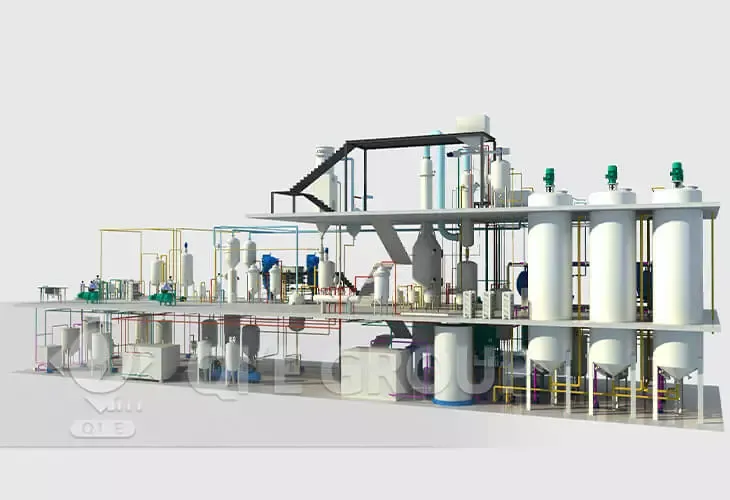
The solvent recovery system is a critical part of the entire process. It operates by separating the solvent from the miscella through evaporation and condensation. The recovered solvent can then be reused in the extraction process. The system has a high recycling rate, with a solvent recycling rate of over 95%. This not only reduces the cost of raw materials by more than 30% but also meets the requirements of green manufacturing.
In a real - world application, a large - scale feed processing enterprise adopted this solvent extraction and recovery technology. After the implementation, the company significantly improved its product quality and reduced production costs. The stable operation of the equipment also ensured a consistent supply of high - quality feed meal, enhancing the company's competitiveness in the market.
Looking ahead, the technology is expected to develop in the directions of intelligent control, low - carbon transformation, and multi - material adaptability expansion. Intelligent control systems can optimize the process parameters in real - time, further improving extraction efficiency. Low - carbon transformation will focus on reducing energy consumption and environmental impact. The ability to adapt to different raw materials will also expand the application scope of the technology.
Are you interested in learning more about this advanced technology? Click here to get the equipment technical white paper or book a free process evaluation.
For common questions, please refer to the FAQ section.
 continuous oil press machine
automatic filtration press
small oil mill upgrade
oil extraction efficiency
intelligent press control system
Soybean oil refining process
Degumming and deodorizing equipment
Small and medium-sized grain and oil mills
Edible oil processing technology
Energy-saving refining equipment
soybean oil refining equipment
CE certification
ISO9001 certification
edible oil processing machinery
energy-efficient refining systems
energy efficient soybean oil press machine
automatic soybean oil extraction equipment
small oil mill cost reduction
soybean oil pressing process optimization
oil filtration system for soybean processing
fully automatic soybean oil press
energy-efficient soybean oil press machine
small oil mill equipment selection
soybean oil press maintenance
green oil processing solutions
continuous oil press machine
automatic filtration press
small oil mill upgrade
oil extraction efficiency
intelligent press control system
Soybean oil refining process
Degumming and deodorizing equipment
Small and medium-sized grain and oil mills
Edible oil processing technology
Energy-saving refining equipment
soybean oil refining equipment
CE certification
ISO9001 certification
edible oil processing machinery
energy-efficient refining systems
energy efficient soybean oil press machine
automatic soybean oil extraction equipment
small oil mill cost reduction
soybean oil pressing process optimization
oil filtration system for soybean processing
fully automatic soybean oil press
energy-efficient soybean oil press machine
small oil mill equipment selection
soybean oil press maintenance
green oil processing solutions





.png?x-oss-process=image/resize,h_100,m_lfit/format,webp)
.png?x-oss-process=image/resize,h_100,m_lfit/format,webp)
.png?x-oss-process=image/resize,h_100,m_lfit/format,webp)

.jpg?x-oss-process=image/resize,h_800,m_lfit/format,webp)