
Maintaining consistent soybean meal oil content is a critical factor in producing high-quality animal feed. Variability beyond the standard 1% to 2% residual oil range can compromise feed nutritional value and disrupt supply chain expectations. Advanced solvent recovery systems, integrated within oil extraction plants, play a pivotal role in stabilizing this parameter, enhancing production efficiency, and cutting costs.
Variations in the residual oil content of soybean meal directly affect its digestibility and energy value. Higher than acceptable oil residues (>2%) not only reduce protein concentration but also increase storage and transportation challenges due to rancidity risks. Conversely, overly aggressive extraction lowering oil below 1% can degrade protein integrity, adversely impacting animal growth performance. Achieving a tight oil content window is thus indispensable — this calls for precise engineering and operational control of the solvent extraction process.
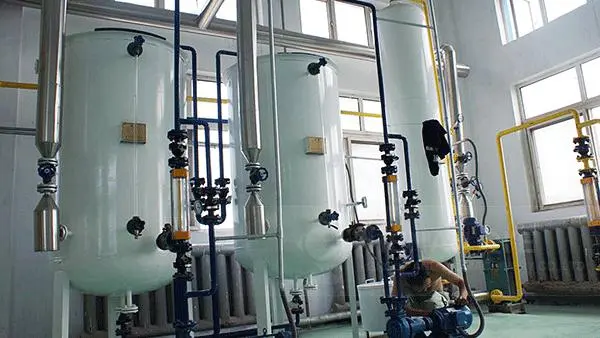
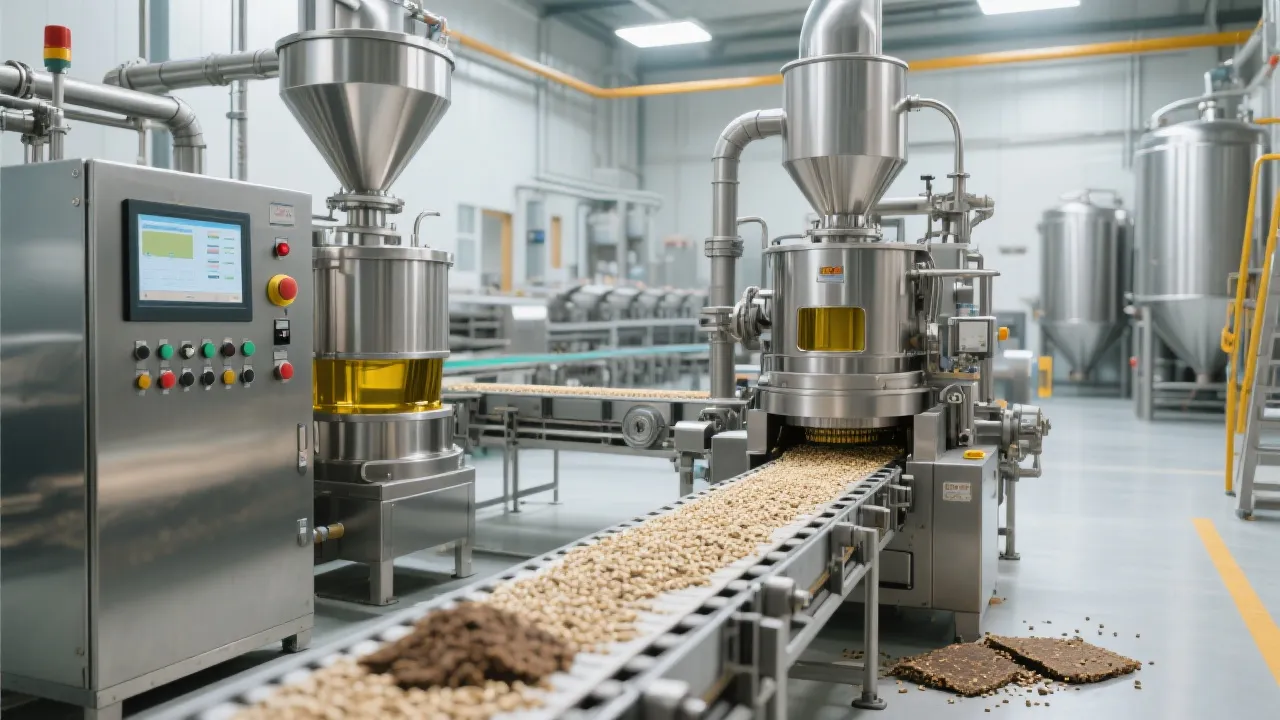
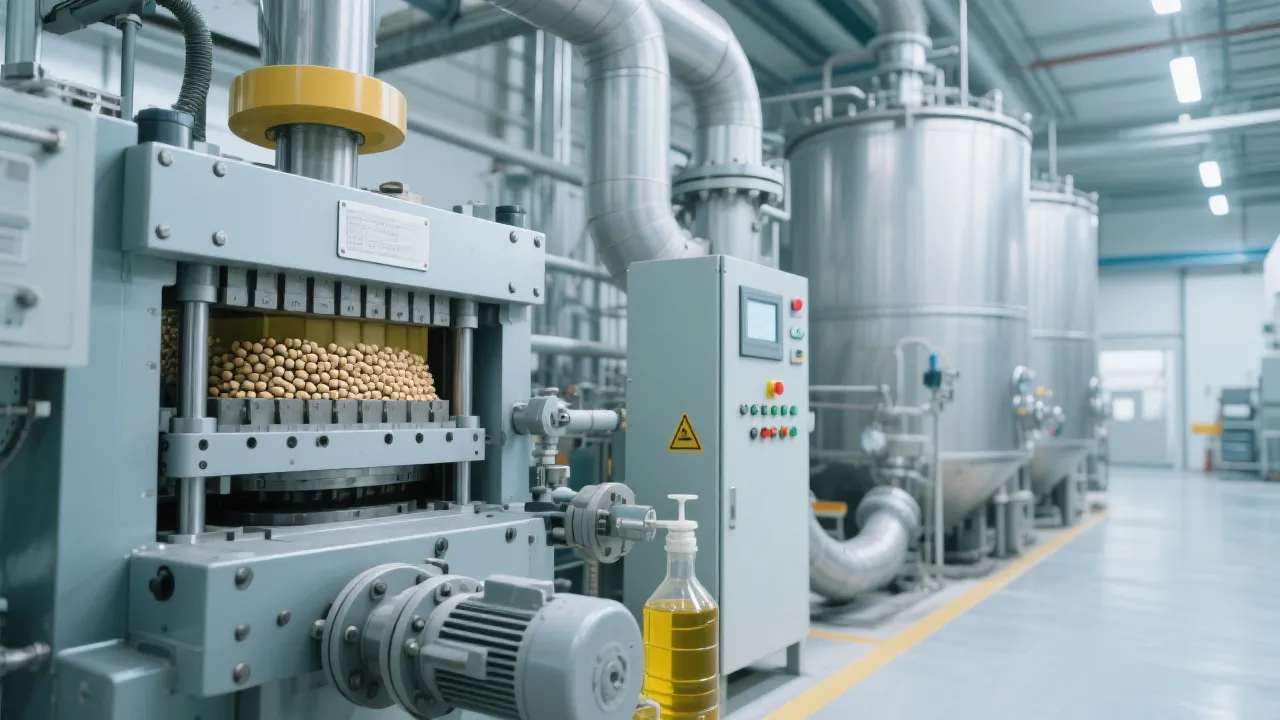
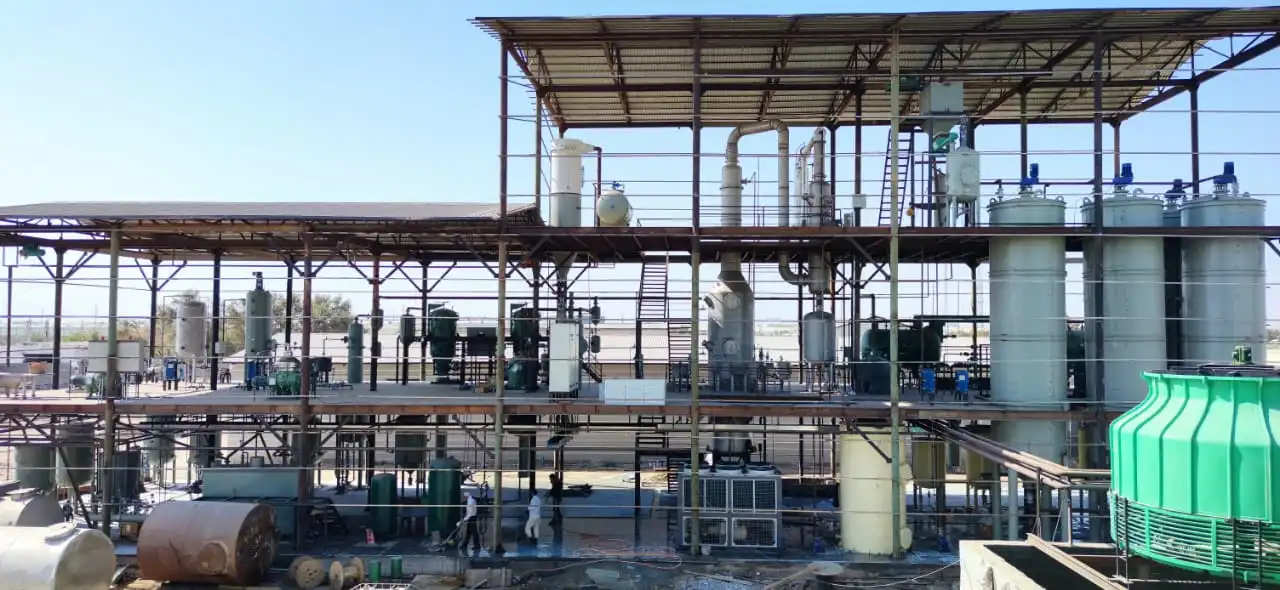
At the heart of maintaining stable oil content is the solvent recovery system, designed to recycle and reuse organic solvents while ensuring complete oil desorption from the meal. The system’s efficiency governs not only extraction completeness but also solvent consumption and environmental footprint. Modern configurations reduce solvent loss by over 30%, directly translating into lower operating costs and higher sustainability standards.
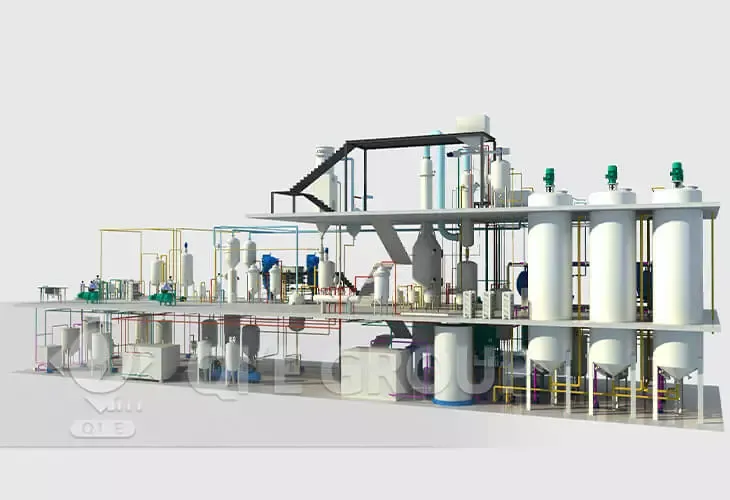
The solvent recovery system comprises three interdependent modules:
A well-balanced design ensures seamless workflow: the immersion tower performs high-efficiency extraction while minimizing solvent drag; the recovery unit recycles nearly 95% of solvents; and the desolventizing unit guarantees residual solvent content remains below 100 ppm. This coordination curtails oil content fluctuations within the stringent 1%–2% band.
Despite technological advancements, operational issues commonly arise:
Operators seeking to enhance system performance and sustainability benefit from:
These measures have been successfully implemented across numerous facilities, with some reporting up to a 25% decrease in energy costs while achieving a more consistent 1.2% ± 0.3% residual oil content range.
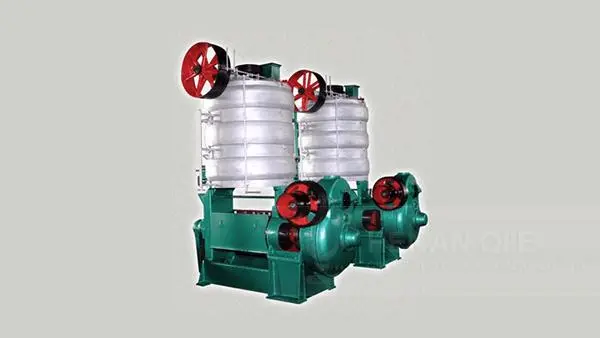
A holistic approach to line design involves selecting solvent extraction equipment tailored to plant capacity and raw material specifics. Incorporating advanced instrumentation and control algorithms facilitates stable operation over varying feedstock qualities and seasonal changes.
Additionally, reducing solvent emissions directly impacts workplace safety and environmental compliance, aligning the plant with global sustainability initiatives.
 Soybean oil extraction rate improvement
Automatic filtration press
Process optimization for small and medium - sized oil mills
Net oil purity enhancement
Grain and oil processing equipment
304 stainless steel refining equipment
soybean oil refining process
modular oil plant machinery
CE certified edible oil equipment
energy-efficient oil refining systems
soybean oil extraction efficiency
automatic filtration press
small oil mill optimization
continuous oil production
oil purification technology
low-temperature deodorization
soybean oil off-flavor removal
edible oil refining technology
small-scale oil mill process optimization
degumming and deodorizing equipment
Solvent extraction method
Soybean meal oil content control
Soybean oil extraction process
Feed meal production technology
Hexane solvent recovery
Soybean oil extraction rate improvement
Automatic filtration press
Process optimization for small and medium - sized oil mills
Net oil purity enhancement
Grain and oil processing equipment
304 stainless steel refining equipment
soybean oil refining process
modular oil plant machinery
CE certified edible oil equipment
energy-efficient oil refining systems
soybean oil extraction efficiency
automatic filtration press
small oil mill optimization
continuous oil production
oil purification technology
low-temperature deodorization
soybean oil off-flavor removal
edible oil refining technology
small-scale oil mill process optimization
degumming and deodorizing equipment
Solvent extraction method
Soybean meal oil content control
Soybean oil extraction process
Feed meal production technology
Hexane solvent recovery




.png?x-oss-process=image/resize,h_100,m_lfit/format,webp)
.png?x-oss-process=image/resize,h_100,m_lfit/format,webp)
.png?x-oss-process=image/resize,h_100,m_lfit/format,webp)


.jpg?x-oss-process=image/resize,h_800,m_lfit/format,webp)
