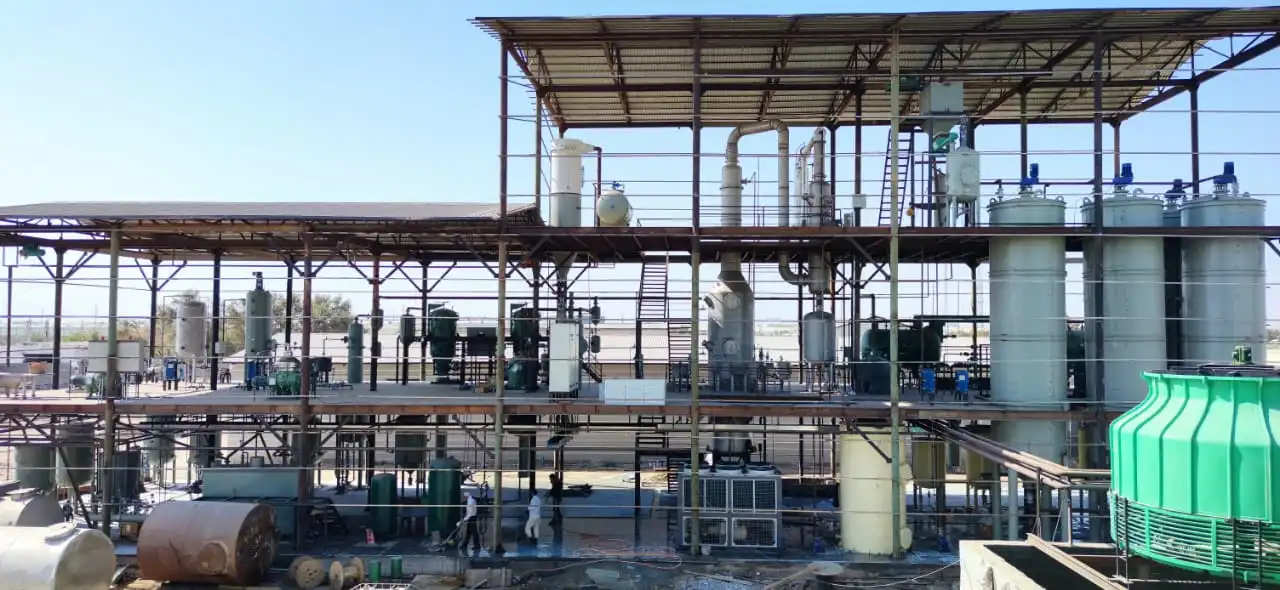
In the production of animal feed meal, the selection of solvent recovery devices and their collaborative working mechanism directly impact energy consumption, production costs, and environmental performance. This article delves into the matching logic and operating mechanisms of key components in soybean oil solvent extraction equipment, including the extraction tower, solvent recovery system, and desolvation equipment. It reveals how to achieve efficient solvent recycling through scientific process layout, stably controlling the oil content of soybean meal between 1% - 2%, which is significantly superior to traditional mechanical pressing processes.
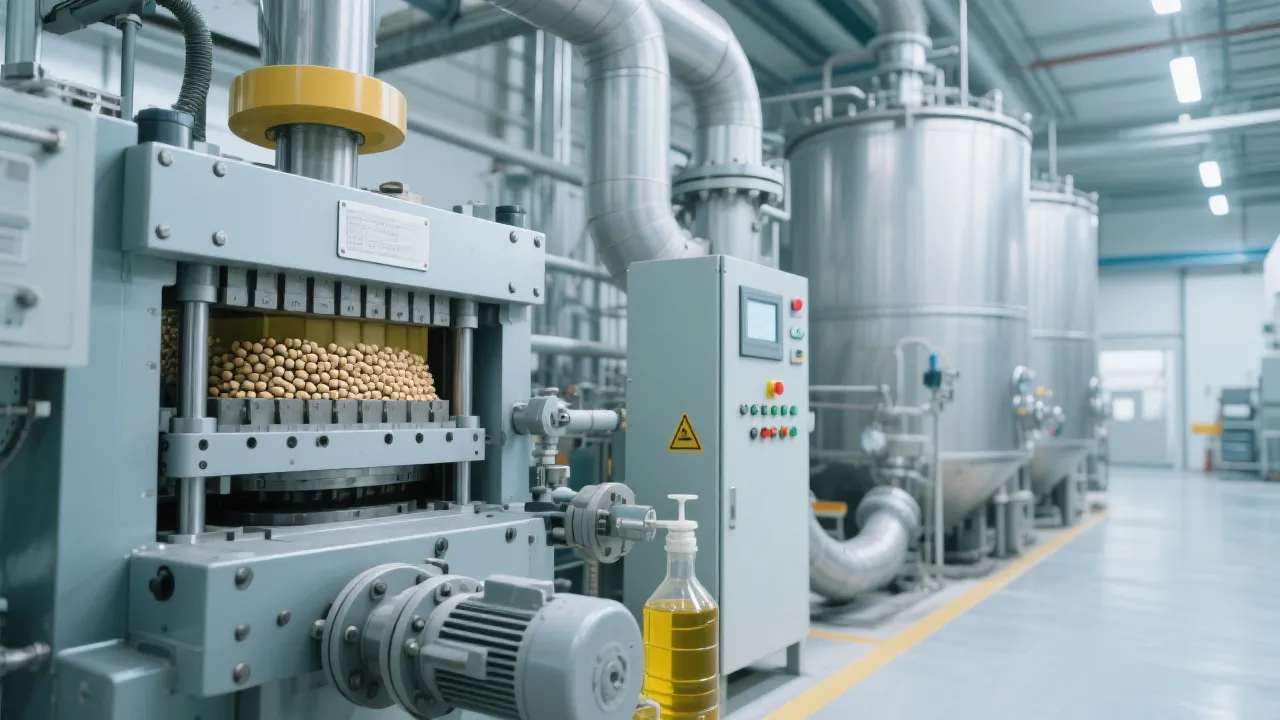
The feed meal processing system with solvent recovery consists of several essential modules. The extraction tower is the core of the solvent extraction process. Different extraction tower structures have varying impacts on extraction efficiency. For example, a well - designed extraction tower can ensure a more thorough contact between soybeans and the solvent, increasing the extraction rate. The solvent recovery system, on the other hand, is responsible for separating and recycling the solvent from the mixture. The efficiency of the condensation and recovery process is a crucial factor in determining the overall performance of the system.
When selecting the equipment, factors such as the structure of the extraction tower and the condensation recovery efficiency should be carefully considered. A properly selected extraction tower and solvent recovery system can reduce solvent loss and improve the overall efficiency of the feed meal processing system.
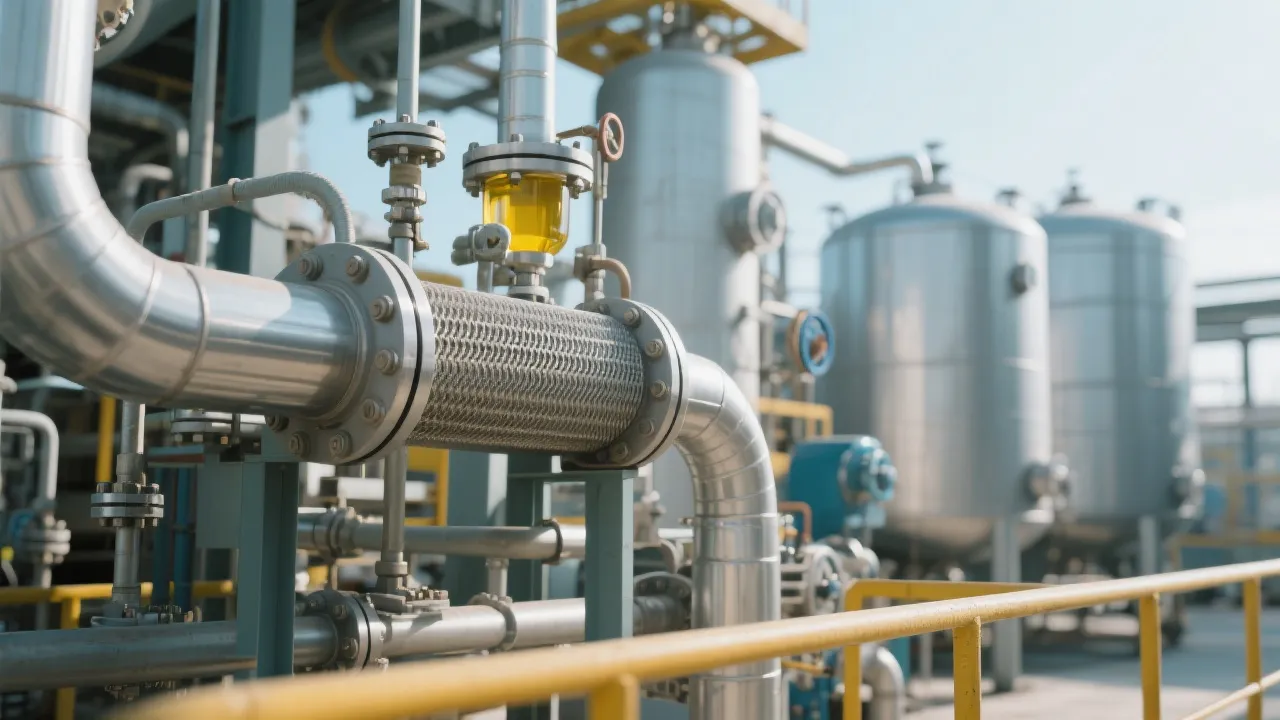
The smooth operation of the entire system depends on the effective cooperation of all components. The flow direction of the solvent vapor and the optimization of heat exchange are key points in the collaborative operation. By合理规划 solvent vapor flow and heat exchange, it is possible to reduce energy consumption in pumping and heat loss, thereby improving the overall energy efficiency ratio. For instance, by pre - heating the raw materials using waste heat from the solvent vapor, the energy consumption of the heating process can be significantly reduced.
In addition, the solvent recovery system should work in tandem with the desolvation equipment to ensure that the solvent in the soybean meal is completely removed. Through precise control of the temperature and time in the desolvation process, the oil content of the soybean meal can be effectively controlled within the desired range.
Under typical working conditions, regular operation and maintenance are essential to ensure the stable operation of the system. For example, the accumulation of impurities in the equipment may affect the efficiency of the solvent recovery. Therefore, regular cleaning and inspection of the equipment are necessary to prevent potential problems.
Comparing different system configurations can also reveal the impact on solvent loss rate. In one factory, due to low recovery efficiency, the monthly solvent waste exceeded 5 tons. By optimizing the system configuration and improving the operation and maintenance process, the solvent loss rate can be significantly reduced, saving production costs and reducing environmental pollution.
The reasonable layout of the feed meal processing system with solvent recovery can effectively reduce pumping energy consumption and heat loss. By improving the heat exchange efficiency and optimizing the solvent recycling process, the overall energy efficiency of the system can be enhanced, which is in line with the trend of green manufacturing.
In conclusion, this article provides valuable insights into the solvent recovery device selection and collaborative working mechanism in soybean meal production. By implementing the methods and suggestions mentioned above, technical engineers and production managers can build a green, safe, and efficient feed meal processing system.
Download our Solvent Recovery System Optimization Handbook now and book a free technical consultation to further optimize your feed meal processing system!
 Soybean oil extraction rate improvement
Automatic filtration press
Process optimization for small and medium - sized oil mills
Net oil purity enhancement
Grain and oil processing equipment
Soybean oil refining equipment
Degumming and deodorizing technology
Edible oil refining process
Refining equipment integration
Oil processing optimization
Continuous soybean oil pressing equipment
Small and medium-sized oil mill transformation
Automatic filtration oil pressing
Intelligent grain and oil equipment
Pressing equipment with filtration function
continuous soybean oil press
automatic filtration oil press
high-efficiency oil extraction
intelligent oil pressing system
small oil mill equipment
Soybean oil refining equipment
Modular design
Installation cost reduction
Energy - saving operation skills
Grain and oil processing equipment
Soybean oil extraction rate improvement
Automatic filtration press
Process optimization for small and medium - sized oil mills
Net oil purity enhancement
Grain and oil processing equipment
Soybean oil refining equipment
Degumming and deodorizing technology
Edible oil refining process
Refining equipment integration
Oil processing optimization
Continuous soybean oil pressing equipment
Small and medium-sized oil mill transformation
Automatic filtration oil pressing
Intelligent grain and oil equipment
Pressing equipment with filtration function
continuous soybean oil press
automatic filtration oil press
high-efficiency oil extraction
intelligent oil pressing system
small oil mill equipment
Soybean oil refining equipment
Modular design
Installation cost reduction
Energy - saving operation skills
Grain and oil processing equipment






.png?x-oss-process=image/resize,h_100,m_lfit/format,webp)
.png?x-oss-process=image/resize,h_100,m_lfit/format,webp)
.png?x-oss-process=image/resize,h_100,m_lfit/format,webp)
.jpg?x-oss-process=image/resize,h_800,m_lfit/format,webp)