
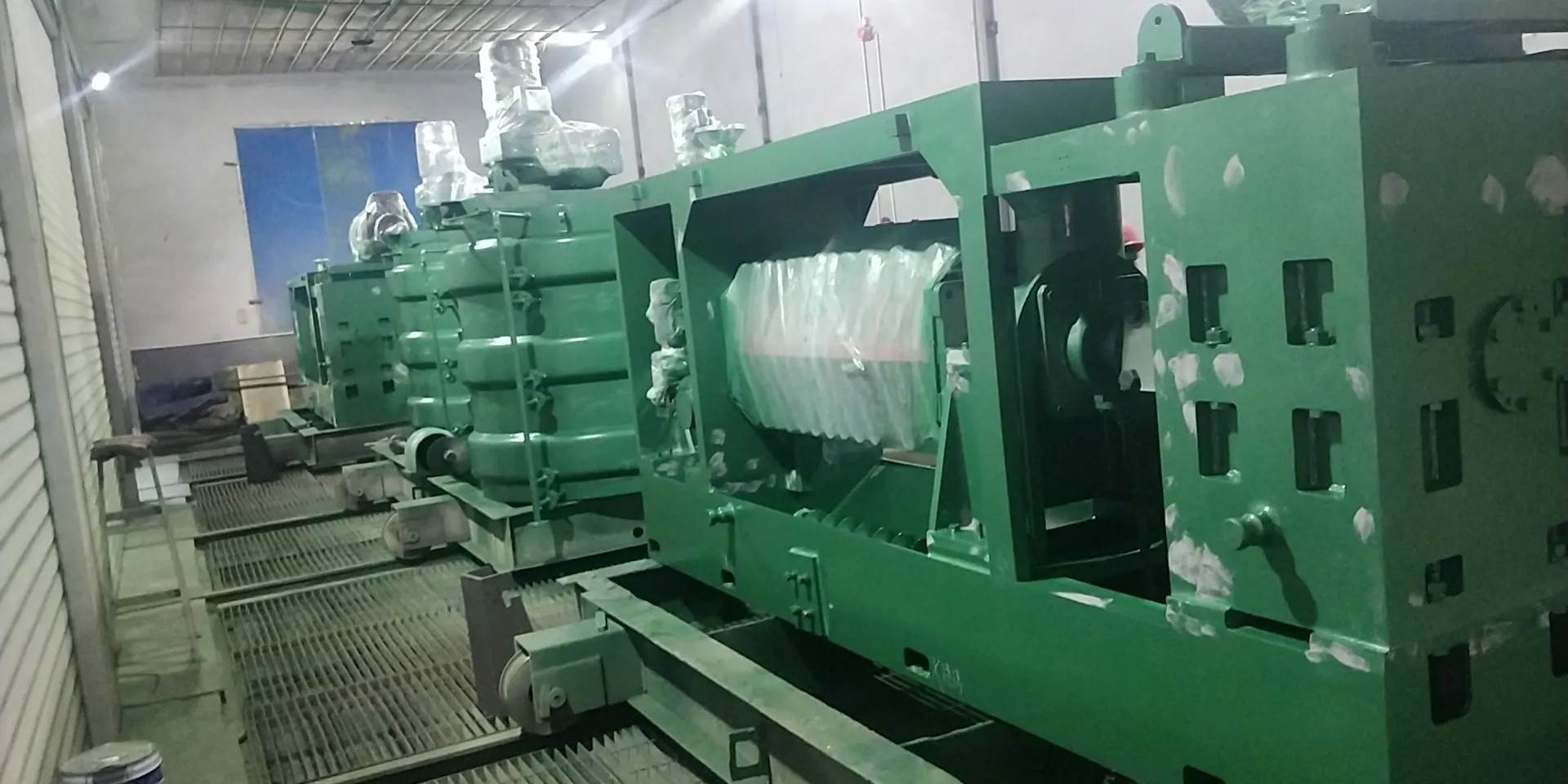
For small-scale oil processors across Southeast Asia and Africa, maximizing oil yield while maintaining quality remains a daily challenge. Studies show that improper processing techniques can reduce soybean oil yield by 15-20%, directly impacting profitability. This comprehensive guide reveals proven technical strategies to transform your extraction process, backed by field-tested data and practical insights from 企鹅集团's decades of experience in small-scale粮油 processing solutions.
Many small processors underestimate the importance of proper soybean粉碎粒度 (crushing particle size) in oil extraction efficiency. Research indicates that particles that are too coarse (above 2mm) leave up to 12% of available oil trapped within the meal, while particles that are too fine (below 0.5mm) create resistance during pressing, increasing energy consumption by 18-22%.
Industry Insight:
The optimal particle size range for soybean oil extraction is 0.8-1.2mm, which balances surface area exposure with pressability. This sweet spot can increase yield by 8-10% compared to non-optimized crushing.
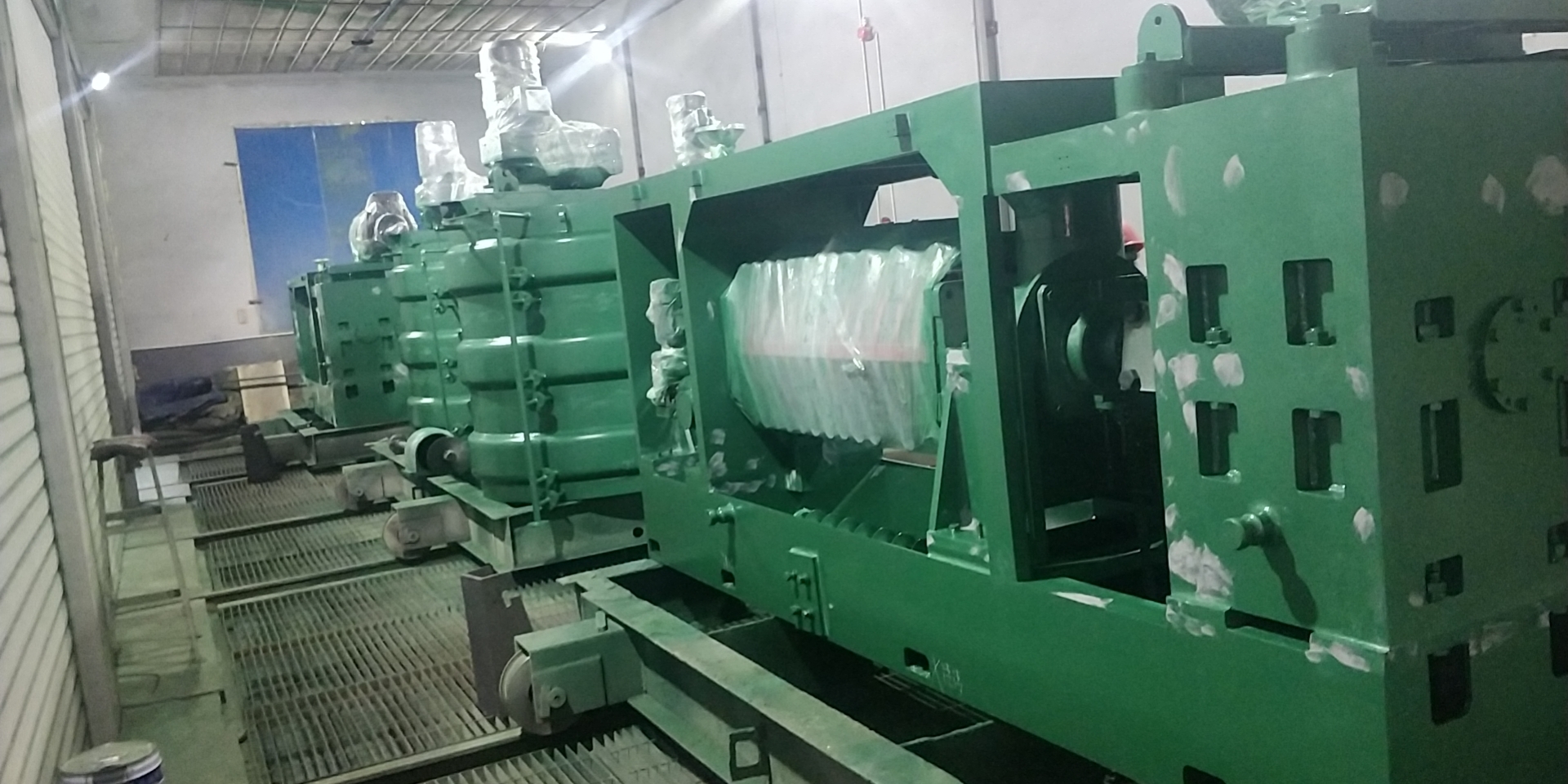
Temperature control during soybean roasting directly impacts both yield and oil quality. The ideal roasting temperature range of 125-135°C activates enzymes that break down oil-storing structures while preventing protein denaturation that can clog press channels.
| Roasting Temperature | Oil Yield Impact | Oil Quality Notes |
|---|---|---|
| <110°C | Reduced by 10-15% | Higher moisture, shorter shelf life |
| 125-135°C | Optimal yield | Balanced flavor, good shelf stability |
| >150°C | Reduced by 8-12% | Potential off-flavors, darker color |
Even with optimal particle size and roasting, improper pressure settings can negate your efforts. The extraction process requires a gradual pressure increase from 20-30 MPa initially to 50-60 MPa at the final stage. This progressive approach allows for complete oil release without damaging the press cake or creating blockages.
In 2022, a small-scale processor in Oyo State, Nigeria implemented these optimization techniques with remarkable results. By adjusting their粉碎粒度 to 1.0mm, maintaining roasting temperature at 130°C, and implementing progressive pressure control, they achieved:
Through our work with hundreds of small processors across Africa and Southeast Asia, we've identified recurring mistakes that significantly impact efficiency:
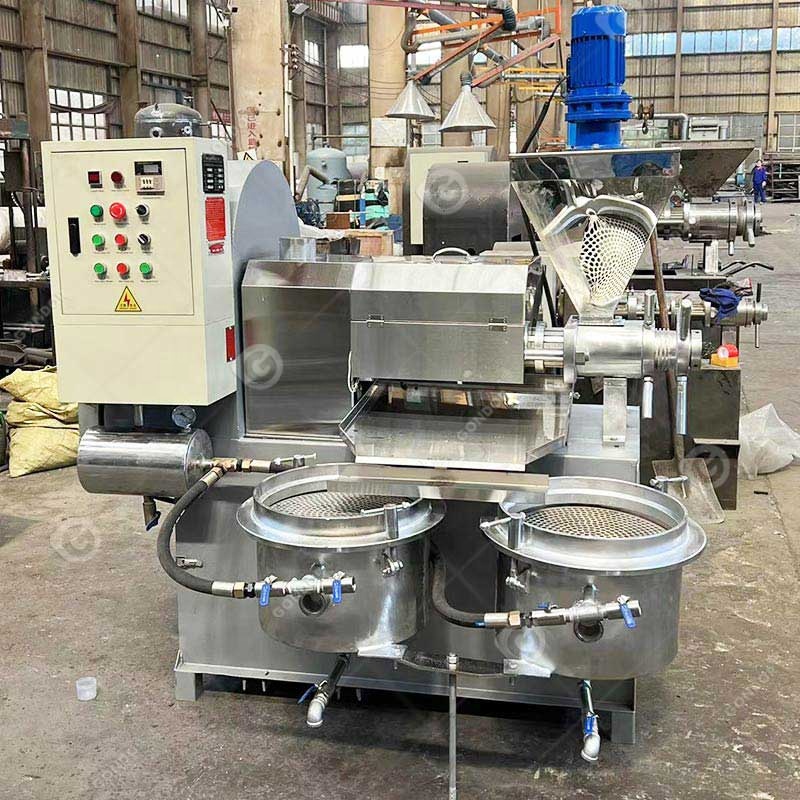
Imagine increasing your daily oil production by 10-15% while reducing energy costs. 企鹅集团's integrated small-scale oil processing solutions combine precise粉碎粒度 control, automated temperature regulation, and intelligent pressure management in one user-friendly system.
Our food-grade stainless steel equipment is designed specifically for the unique challenges of small-scale operations in emerging markets, with simplified maintenance and local technical support.
Discover How 企鹅集团 Can Boost Your Oil Processing EfficiencyMany small processors accept lower yields as an unavoidable part of small-scale operations, but the data shows otherwise. With the right technical approach and equipment, significant efficiency gains are achievable without massive capital investment. The key lies in optimizing the critical process parameters that directly impact oil release—particle size, temperature, and pressure—while implementing proper maintenance and operational practices.
As you implement these techniques, remember that consistency is key. Small, daily improvements in process control can lead to substantial long-term gains in profitability and sustainability for your small-scale oil processing business.
 home soybean oil press maintenance
food grade stainless steel cleaning
transmission system lubrication
filter replacement
remote technical support
solvent extraction method
animal feed meal production
soybean oil extraction
oil content reduction in soybean meal
solvent recovery technology
solvent extraction in animal feed
solvent recovery technology
low oil soybean meal
green feed production
hexane recycling
solvent extraction
hexane solvent
soybean meal residual oil
solvent recovery system
green feed production
food-grade refined soybean oil
baking soybean oil
acid value standard
export food compliance
soybean oil technical parameters
home soybean oil press maintenance
food grade stainless steel cleaning
transmission system lubrication
filter replacement
remote technical support
solvent extraction method
animal feed meal production
soybean oil extraction
oil content reduction in soybean meal
solvent recovery technology
solvent extraction in animal feed
solvent recovery technology
low oil soybean meal
green feed production
hexane recycling
solvent extraction
hexane solvent
soybean meal residual oil
solvent recovery system
green feed production
food-grade refined soybean oil
baking soybean oil
acid value standard
export food compliance
soybean oil technical parameters






.png?x-oss-process=image/resize,h_100,m_lfit/format,webp)
.png?x-oss-process=image/resize,h_100,m_lfit/format,webp)
.png?x-oss-process=image/resize,h_100,m_lfit/format,webp)

.jpg?x-oss-process=image/resize,m_fill,h_800,w_800/format,webp)