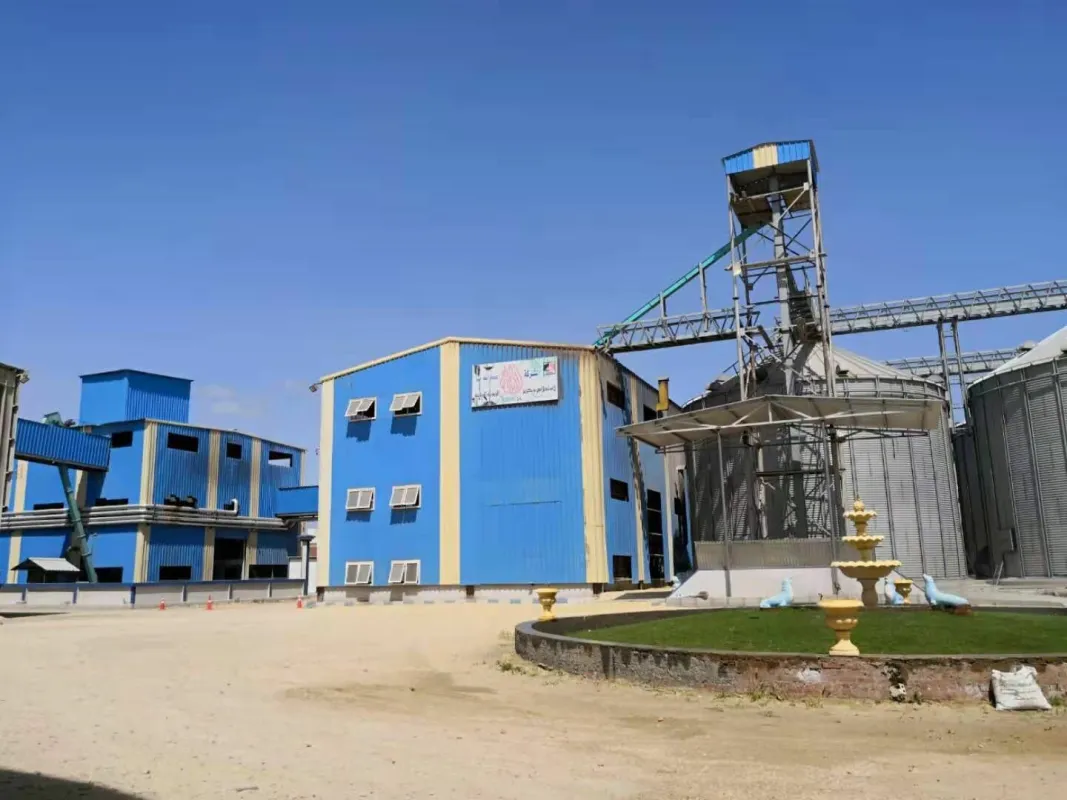
Embarking on the transition from manual to fully automated soybean oil pressing is a pivotal step for small and medium oil mills aiming to improve efficiency and product quality. The challenge lies in choosing equipment that perfectly aligns with your mill’s capacity requirements and the specific characteristics of your raw material—soybeans. This guide walks you through the critical factors involved in equipment selection, with an emphasis on key technical components, installation best practices, and maintenance essentials to ensure smooth operation and sustainable energy savings.
One of the first decisions you must address is defining your processing capacity. Small to medium mills typically handle between 1 to 10 tons of soybeans per hour. Selecting a press capacity that exceeds or falls short of this range risks either inefficient operation or unmet production goals.
Equally important is assessing the moisture content of your raw soybeans, which generally ranges from 8% to 14%. High moisture can significantly affect oil yield and may require adjustments in press temperature or hydraulic pressure. Aligning equipment that can adapt to these variations helps maintain consistent output quality.
A high-quality filter mesh or screen is crucial to remove impurities without compromising throughput. Look for models with adjustable mesh sizes between 60 to 120 mesh depending on the fineness of the oil you require.
The hydraulic press pressure directly impacts oil extraction rate and cake moisture content. Pressures commonly range from 40 to 70 MPa. Precision control via hydraulic valves ensures optimal force application tailored to soybean types.
Preheating soybeans before pressing improves oil yield. Equipment with integrated temperature control modules allows you to fine-tune heating between 80°C to 120°C, balancing extraction efficiency and oil quality preservation.
Proper installation is vital to minimize downtime and achieve design throughput rates. During commissioning, ensure the press is level and mounted on vibration-dampening foundations to avoid mechanical wear. Confirm all hydraulic connections are leak-free and pressure calibrated. Initial runs should be conducted using sample batches to verify uniform oil extraction and quality.

Your investment in automatic pressing equipment pays off only if you maintain it properly. Routine steps include daily cleaning of the filter mesh, monitoring hydraulic oil levels bi-weekly, and inspecting temperature sensors monthly for accuracy. Replacing wear-prone parts such as seals, gaskets, and press screws every 6 to 12 months based on operational hours can prevent unexpected breakdowns.
Modern fully automatic soybean oil presses increasingly prioritize energy savings and emission reductions. Look for equipment featuring variable frequency drives (VFDs) that regulate motor speed based on load, cutting power consumption by up to 30%. Additionally, presses that use closed hydraulic systems with environmentally safe fluids reduce leak risks and contribute to your mill’s green credentials.
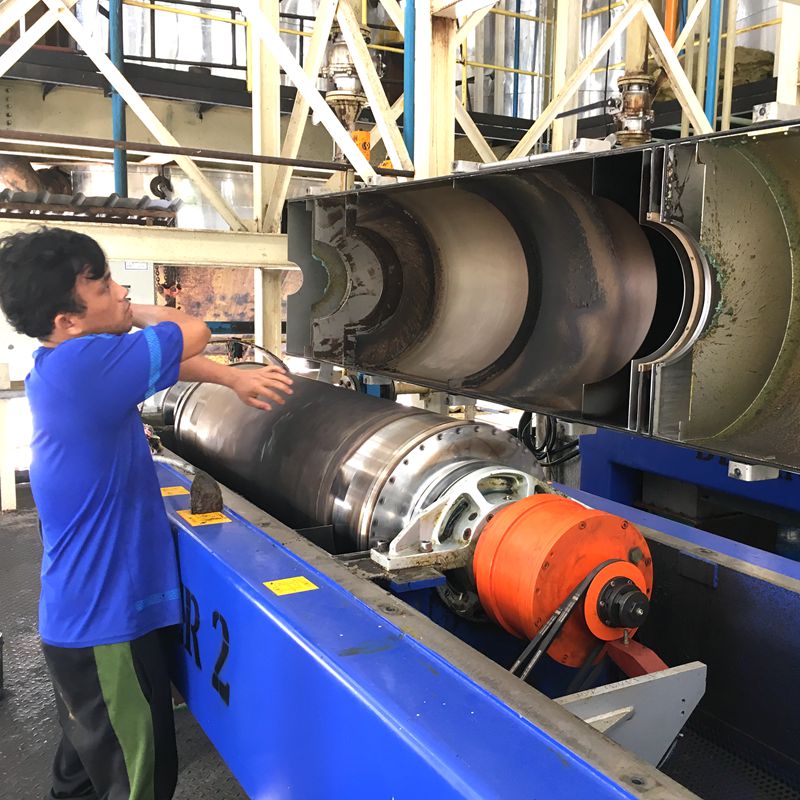
A small soybean oil mill in Midwest USA recently upgraded from semi-automated presses to a fully automatic machine rated at 5 tons per hour. After tailoring equipment parameters to their raw soybean moisture (12%), they achieved a 15% increase in oil yield and reduced downtime by 40%. Maintenance routines and real-time hydraulic pressure monitoring sustained consistent throughput over 8 months of continuous operation.
| Key Metrics | Before Automation | After Automation |
|---|---|---|
| Oil Yield (%) | 38% | 43.7% |
| Downtime per Month (hours) | 28 | 16.8 |
| Energy Consumption (kWh/ton) | 120 | 84 |
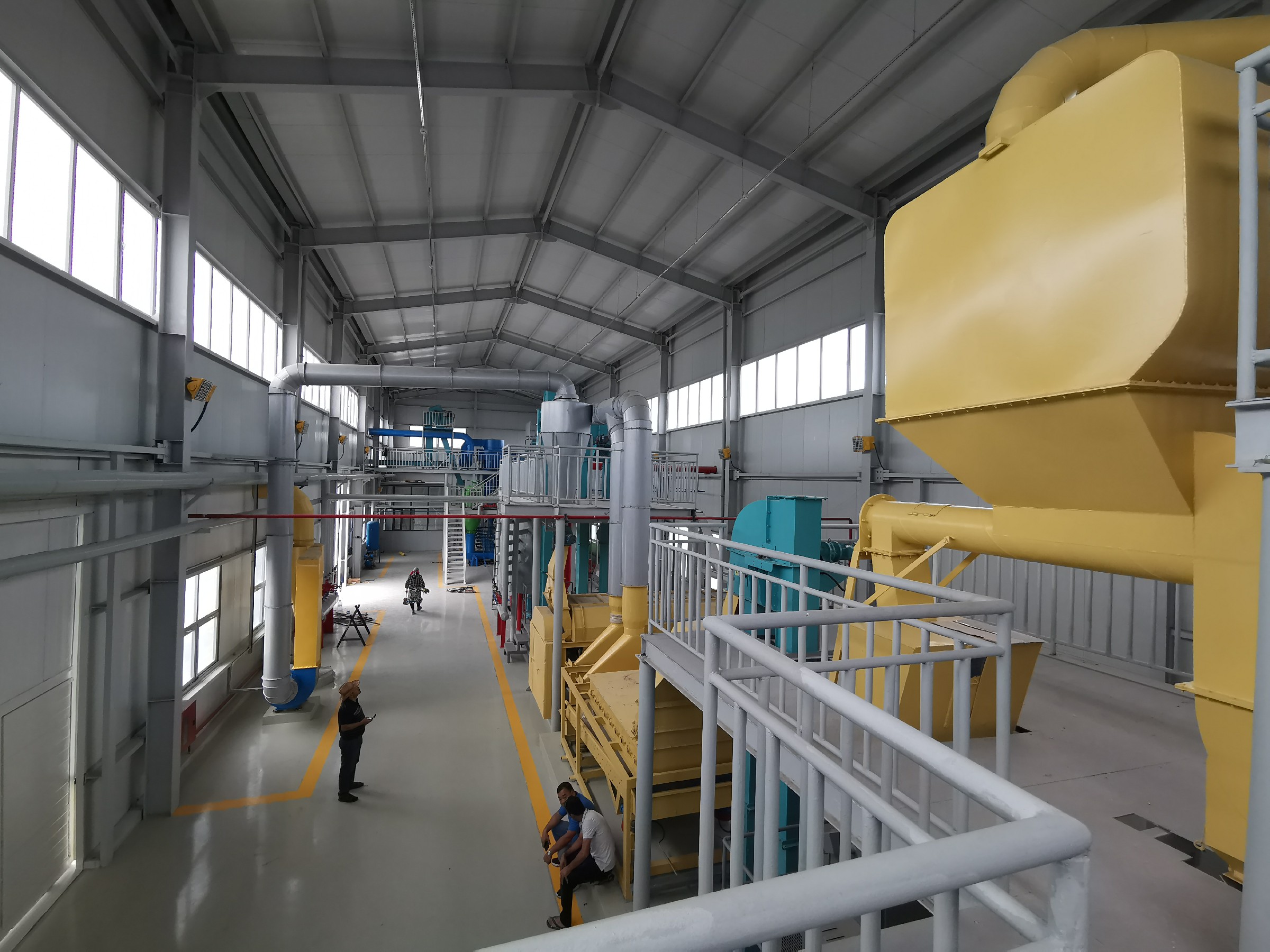
Choosing the right fully automatic soybean oil pressing equipment requires a clear understanding of your production goals, raw material characteristics, and the technical capabilities of the machinery. Prioritizing reliable components, professional installation, and diligent maintenance will help you unlock the full potential of automation, maximizing efficiency, and supporting your journey towards green manufacturing.


.png?x-oss-process=image/resize,h_100,m_lfit/format,webp)
.png?x-oss-process=image/resize,h_100,m_lfit/format,webp)
.png?x-oss-process=image/resize,h_100,m_lfit/format,webp)


.jpg?x-oss-process=image/resize,h_800,m_lfit/format,webp)