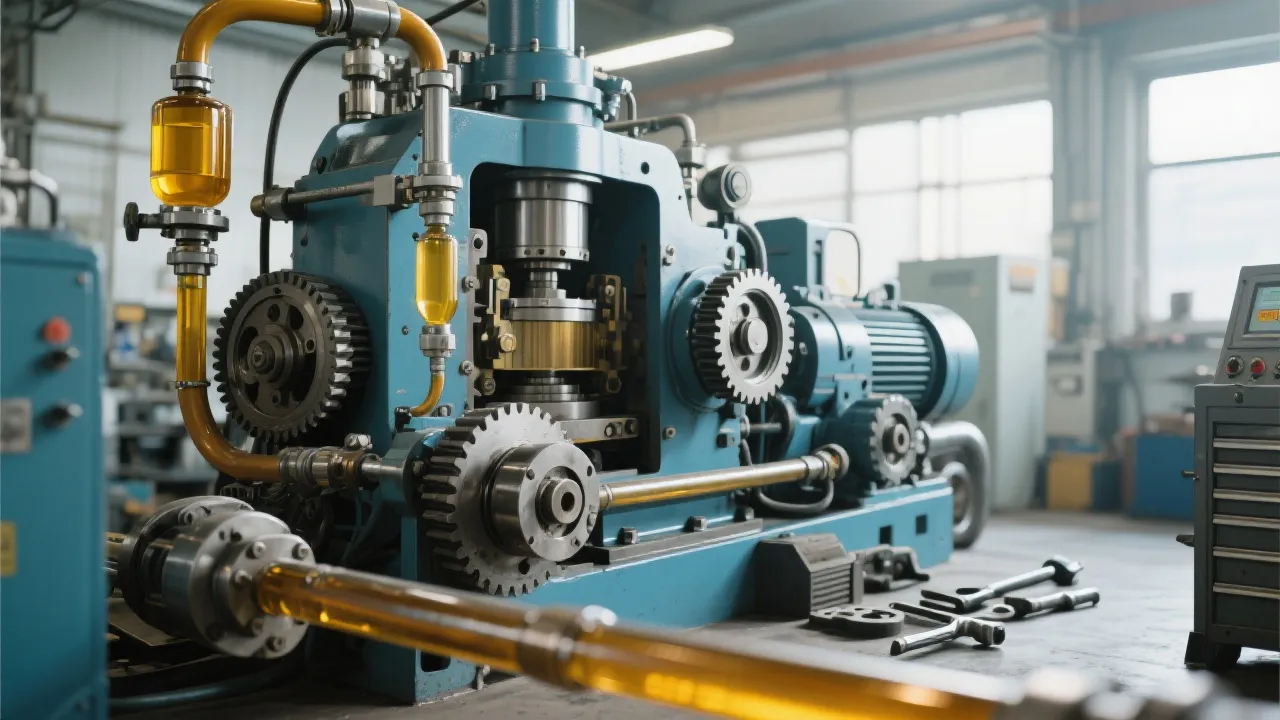
If you're managing a small to medium-sized oil processing plant, you know well how critical each component of your full-automatic soybean oil press machine is to achieving high productivity and oil yield. The secret lies in mastering the use of three core parts — filter screens, hydraulic systems, and temperature control modules. Using them incorrectly can easily cause costly downtime, clogged equipment, or suboptimal oil extraction rates.
Consider a mid-sized plant that faced frequent halts due to constant filter blockages. Their filter screen had pore sizes unsuitable for their soybean batch, clogging every few hours and forcing expensive, repetitive shutdowns. This example underscores how improper filter selection can cripple production efficiency.
The filter screen's mesh size directly influences filtration quality and press throughput:
| Filter Mesh Size (Microns) | Application | Recommended Use |
|---|---|---|
| 100-200 | Coarse Filtration | High throughput with larger soybeans or high moisture |
| 50-100 | Medium Filtration | Optimal balance for most dry soybeans |
| Below 50 | Fine Filtration | Use for hot pressing or very dry soybeans |
Choosing the correct filter mesh size can decrease clog frequency by up to 70%, boosting uptime significantly. Always adjust based on your soybean’s moisture content: wetter beans require coarser meshes to prevent blockage.
The hydraulic system governs the pressing force — which has a direct impact on oil extraction efficiency:
Expert recommendations place optimal hydraulic pressure for soybean oil extraction between 15-20 MPa during hot pressing and slightly lower for cold pressing (around 10-15 MPa). Regular pressure calibration and monitoring are essential, especially if your raw materials vary seasonally.
Temperature directly affects oil viscosity and yield. The temperature control module’s ability to maintain precise heat levels distinguishes efficient machines from the rest:
Smart temperature control with real-time sensors and automated adjustments can increase oil yield by up to 10%, reduce energy waste, and safeguard oil quality.
Don’t overlook these crucial setup tips:
Consistent maintenance reduces unexpected downtime by approximately 40% and extends equipment lifespan.
Some quick fixes when problems arise:
Expert Tip: “Integrating temperature sensors and pressure transducers with real-time digital displays enables precise operational control, reducing manual errors,” shares John Liu, a mechanical engineer with 15 years of soybean oil machinery expertise.
Ready to boost your oil press performance? Choose equipment that supports both hot and cold pressing processes with intelligent temperature controls. Our machines from the QIE Group come with a one-year worry-free warranty, ensuring you get the reliability and efficiency your business deserves.
 Soybean oil refining equipment
Degumming and deodorizing technology
Edible oil refining process
Refining equipment integration
Oil processing optimization
304 stainless steel refining equipment
soybean oil refining process
modular oil plant machinery
CE certified edible oil equipment
energy-efficient oil refining systems
soybean oil refining equipment
CE certification
ISO9001 certification
edible oil processing machinery
energy-efficient refining systems
fully automatic soybean oil press
small oil mill equipment selection
soybean oil pressing machine maintenance
oil press installation guide
energy-efficient oil extraction technology
fully automatic soybean oil press machine selection
small and medium oil plant equipment guide
soybean oil cold and hot pressing comparison
intelligent oil press maintenance tips
automated oilseed processing solutions
Soybean oil refining equipment
Degumming and deodorizing technology
Edible oil refining process
Refining equipment integration
Oil processing optimization
304 stainless steel refining equipment
soybean oil refining process
modular oil plant machinery
CE certified edible oil equipment
energy-efficient oil refining systems
soybean oil refining equipment
CE certification
ISO9001 certification
edible oil processing machinery
energy-efficient refining systems
fully automatic soybean oil press
small oil mill equipment selection
soybean oil pressing machine maintenance
oil press installation guide
energy-efficient oil extraction technology
fully automatic soybean oil press machine selection
small and medium oil plant equipment guide
soybean oil cold and hot pressing comparison
intelligent oil press maintenance tips
automated oilseed processing solutions





.png?x-oss-process=image/resize,h_100,m_lfit/format,webp)
.png?x-oss-process=image/resize,h_100,m_lfit/format,webp)
.png?x-oss-process=image/resize,h_100,m_lfit/format,webp)

.jpg?x-oss-process=image/resize,h_800,m_lfit/format,webp)