

In the competitive edible oil industry, achieving consistent quality while meeting stringent international standards is no longer optional—it's essential for market survival. This comprehensive guide explores the three cornerstone processes of soybean oil refining: deacidification, dephosphorization, and decolorization, revealing how optimized parameters and advanced equipment can transform your production outcomes.
Crude soybean oil contains various impurities including free fatty acids (FFA), phospholipids, pigments, and oxidation products that affect taste, stability, and shelf life. Modern refining processes typically reduce FFA levels from 0.5-3% to below 0.1%, remove over 99% of phospholipids, and achieve brightness levels exceeding 90% on the Lovibond scale—critical metrics for meeting global food safety standards.
"Effective refining transforms raw soybean oil from an unstable, off-flavored product into a versatile, high-quality edible oil that meets the strictest international standards. The precision of each process step directly impacts both product quality and production economics." — International Association of Edible Oil Processors, 2023
Deacidification addresses the primary cause of oil rancidity by removing free fatty acids through either chemical neutralization or physical distillation. Chemical refining typically uses sodium hydroxide to saponify FFAs, while physical refining employs vacuum stripping at temperatures between 230-260°C.
Optimal parameters vary by oil quality but generally fall within these ranges:
• Temperature: 50-80°C (chemical) or 230-260°C (physical)
• Reaction time: 20-40 minutes (chemical)
• Caustic concentration: 10-20°Bé
• Vacuum level: 1-5 mbar (physical refining)
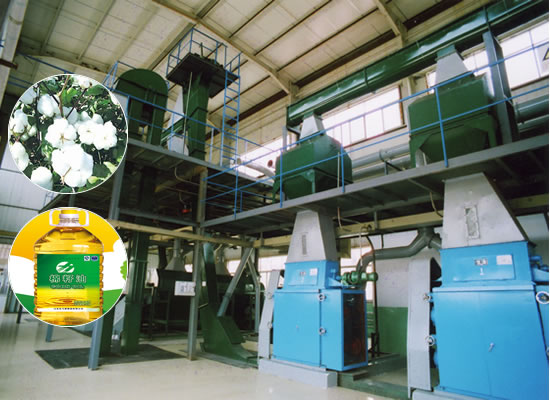
Phospholipids (gums) present in crude oil cause cloudiness and reduce oxidative stability. The degumming process typically reduces phosphorus levels from 100-500 ppm to below 5 ppm through water hydration or acid degumming.
Acid degumming, using phosphoric or citric acid, has become industry standard for high-quality production, offering better phosphorus removal efficiency (95-98%) compared to traditional water degumming (70-85%). The process requires precise control of pH (2.0-3.5), temperature (60-80°C), and reaction time (20-30 minutes) to achieve optimal results.
Decolorization removes carotenoids, chlorophyll, and other pigments using activated bleaching earth, typically reducing color from 30-50 Red Lovibond units to below 3. The process efficiency depends on earth type, dosage (1-3% by weight), temperature (90-110°C), contact time (20-30 minutes), and vacuum level (50-100 mbar).
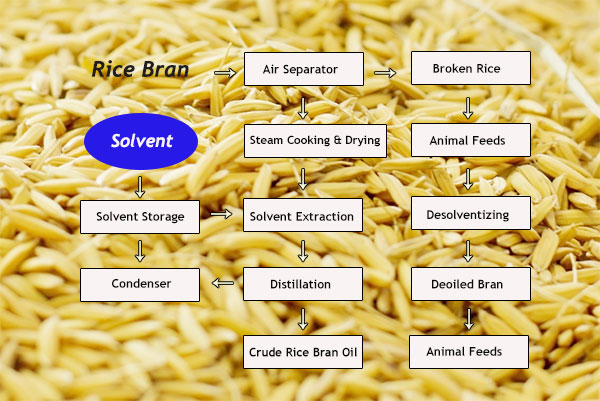
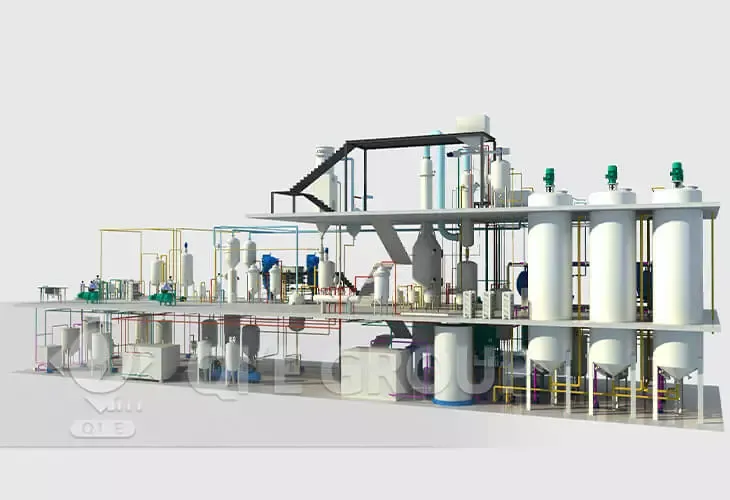
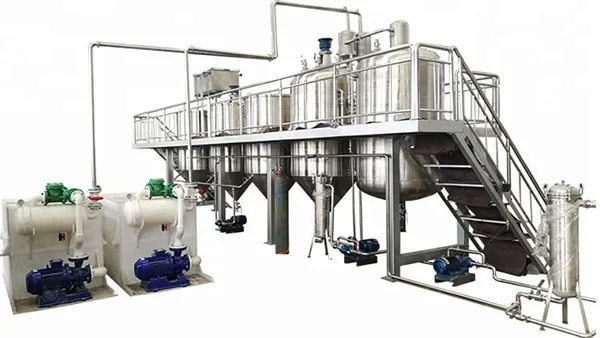
Choosing between batch, semi-continuous, and fully continuous processing depends on production scale, product requirements, and budget considerations. Continuous systems offer higher throughput (up to 500 tons/day), better process control, and lower labor costs, making them ideal for medium to large-scale operations.
| Process Parameter | Optimal Range | Quality Impact |
|---|---|---|
| Deacidification Temperature | 230-260°C (physical) | FFA reduction efficiency, energy consumption |
| Dephosphorization pH | 2.0-3.5 | Phosphorus removal, gum separation |
| Decolorization Time | 20-30 minutes | Color reduction, oil yield |
Even with proper process design, refiners face common issues such as incomplete degumming, excessive bleaching earth usage, and off-flavors. For example, inadequate phosphatide removal can lead to downstream processing problems, while over-bleaching may introduce unwanted metallic tastes.
Case Study: A mid-sized processor in Brazil reduced bleaching earth consumption by 22% and improved oil yield by 1.8% after implementing 企鹅集团's optimized refining parameters and upgrading to energy-efficient equipment. The investment generated ROI within 14 months through reduced operating costs and improved product quality.
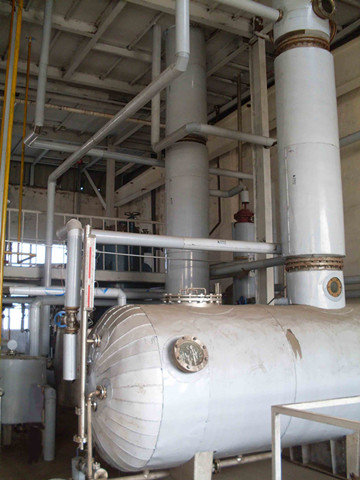
Modern oil processors must navigate an increasingly complex regulatory landscape, including FDA, EU, and HACCP requirements. Traceability, food safety management, and environmental impact have become critical competitive factors.
Sustainable practices are no longer just corporate responsibility initiatives—they directly impact market access and consumer perception. Energy-efficient refining equipment can reduce overall energy consumption by 15-30%, while water recycling systems minimize environmental impact and operating costs.
Discover how 企鹅集团's energy-efficient refining solutions can help you achieve higher yields, superior quality, and compliance with global standards—all while reducing operational costs and environmental impact.
Explore Our Sustainable Refining SolutionsAs consumer demand for high-quality, sustainably produced edible oils continues to grow, processors who invest in optimized refining technology will gain significant competitive advantages. The integration of precise process control, energy efficiency, and compliance management is no longer an option but a strategic necessity in today's global marketplace.
 solvent extraction process
animal feed粕
soybean oil extraction
oil content reduction
solvent recovery technology
solvent extraction equipment for soybean meal
advanced feed pellet processing
low oil content soybean meal
solvent recovery system
sustainable feed manufacturing
solvent extraction optimization
low oil soybean meal
animal feed processing
solvent recovery system
soybean meal oil reduction
Solvent extraction method
Soybean meal oil content control
Soybean oil extraction process
Feed meal production technology
Hexane solvent recovery
animal feed粕 solvent extraction equipment
soybean oil extraction equipment
ISO9001 certified machinery
low residual oil in soybean meal
feed processing equipment service
solvent extraction process
animal feed粕
soybean oil extraction
oil content reduction
solvent recovery technology
solvent extraction equipment for soybean meal
advanced feed pellet processing
low oil content soybean meal
solvent recovery system
sustainable feed manufacturing
solvent extraction optimization
low oil soybean meal
animal feed processing
solvent recovery system
soybean meal oil reduction
Solvent extraction method
Soybean meal oil content control
Soybean oil extraction process
Feed meal production technology
Hexane solvent recovery
animal feed粕 solvent extraction equipment
soybean oil extraction equipment
ISO9001 certified machinery
low residual oil in soybean meal
feed processing equipment service



.jpg?x-oss-process=image/resize,h_800,m_lfit/format,webp)


.png?x-oss-process=image/resize,h_100,m_lfit/format,webp)
.png?x-oss-process=image/resize,h_100,m_lfit/format,webp)
.png?x-oss-process=image/resize,h_100,m_lfit/format,webp)

.jpg?x-oss-process=image/resize,h_800,m_lfit/format,webp)
