

In the competitive edible oil industry, producing high-quality soybean oil requires mastering the critical refining processes that transform crude oil into a pure, stable, and marketable product. This comprehensive guide explores the essential techniques of deacidification, dephosphorization, and decolorization—three cornerstones of soybean oil refining that directly impact product quality, shelf life, and consumer acceptance.
Crude soybean oil contains various impurities including free fatty acids (FFA), phospholipids, pigments, and oxidation products that affect taste, appearance, and stability. According to industry standards, properly refined soybean oil should typically contain less than 0.1% FFA, less than 10 ppm phosphorus, and have a Lovibond color rating below 3.0 red. Achieving these specifications requires precise control of each refining stage.
Deacidification is crucial for removing free fatty acids that cause off-flavors and reduce shelf life. The process typically employs either chemical neutralization with caustic soda or physical refining through steam distillation. Chemical refining is more common for oils with FFA content below 3%, while physical refining becomes economical for higher FFA levels.
Optimal conditions for chemical deacidification include a temperature range of 55-65°C, alkali concentration of 12-18°Bé, and mixing time of 15-20 minutes. These parameters must be adjusted based on the initial FFA content of the crude oil, which can range from 0.5% to 3.0% depending on soybean quality and storage conditions.
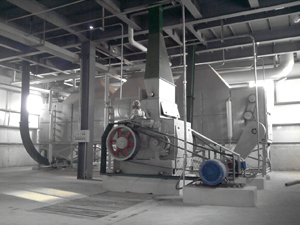
Phospholipids (gums) in crude soybean oil can cause cloudiness, foaming, and oxidative instability. The dephosphorization process, often called degumming, removes these compounds through either water degumming or acid degumming methods. Modern plants increasingly use enzymatic degumming for improved efficiency and reduced water usage.
Water degumming typically operates at 60-70°C with a water addition of 2-3% by weight, followed by a reaction time of 30-60 minutes. Acid degumming uses phosphoric or citric acid at concentrations of 0.1-0.3% to break down non-hydratable phospholipids, achieving phosphorus levels as low as 5 ppm when properly executed.
Problem: Incomplete gum separation leading to high phosphorus levels
Solution: Optimize mixing intensity and temperature; consider acid pre-treatment for non-hydratable phospholipids
Problem: Excessive oil loss in gum residue
Solution: Implement efficient centrifugation with proper bowl speed and feed rate control
Decolorization removes carotenoids, chlorophyll, and other pigments that affect oil color and stability. The process uses adsorbents like activated clay, activated carbon, or silica gels, typically in a vacuum environment at 105-120°C to prevent oxidation.
Adsorbent dosage varies from 1-5% depending on initial color, with contact times ranging from 20-40 minutes. Modern systems employ pressure leaf filters or membrane filtration technology to achieve efficient adsorbent separation and minimize oil loss.
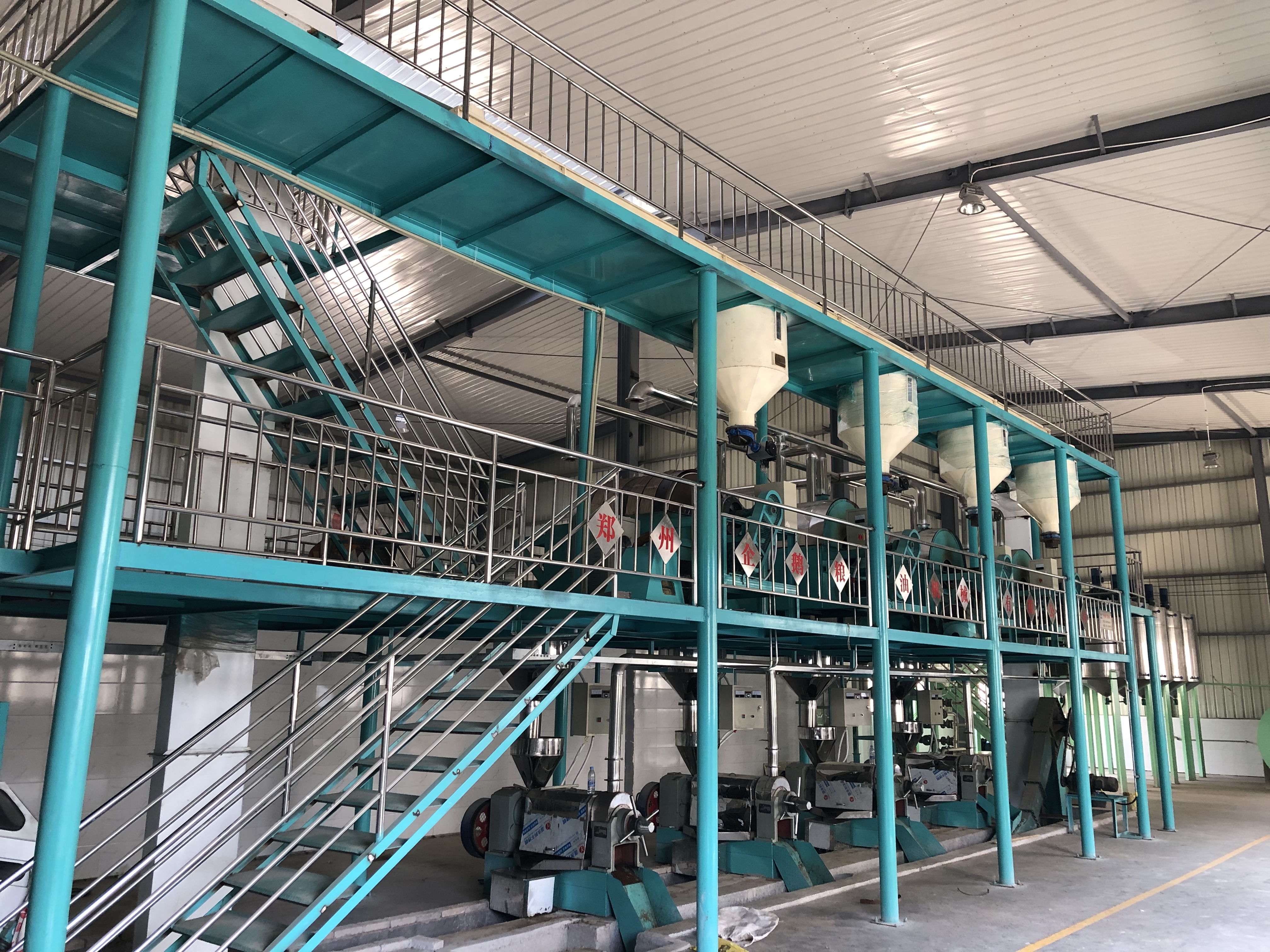
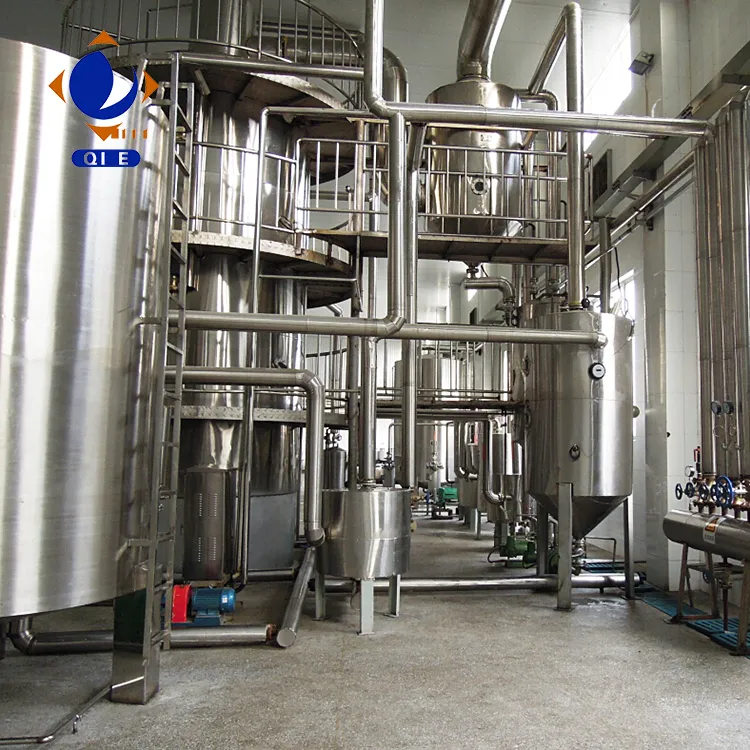
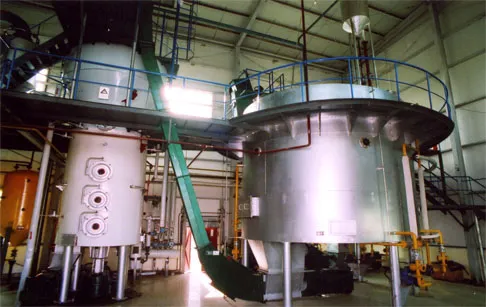
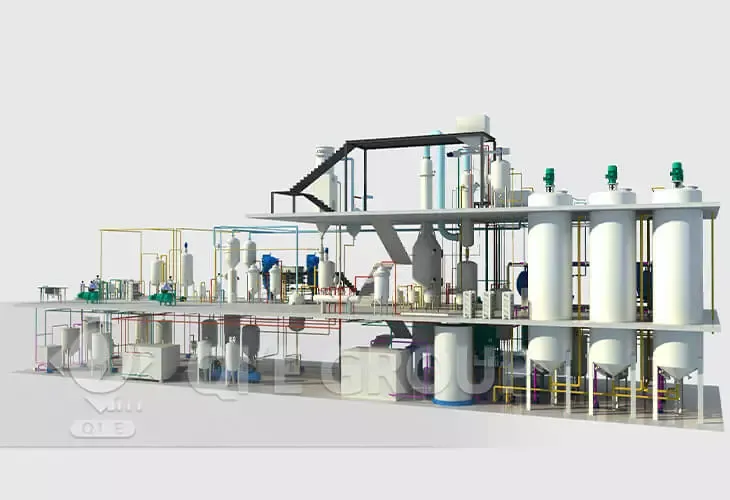
Modern soybean oil refineries are implementing integrated systems that optimize these three processes for maximum efficiency and product quality. Continuous refining lines offer better process control than batch systems, with typical capacity ranges from 50 to 5000 tons per day to accommodate different production scales.
Energy efficiency has become a critical factor in process design. Heat recovery systems can reduce energy consumption by 20-30%, while advanced control systems with real-time monitoring allow for precise parameter adjustments. These technologies not only improve product consistency but also reduce operating costs.
Achieve consistent, high-quality soybean oil production with energy-efficient, custom-designed equipment that meets the most stringent international standards.
Discover QIE Group Custom Refining SolutionsEnvironmental compliance is another key consideration in modern refining operations. Wastewater treatment systems, solvent recovery processes, and reduced chemical usage not only meet regulatory requirements but also improve sustainability credentials. Many countries now mandate reduced water consumption and lower emissions, making these advanced systems not just desirable but essential for market access.
For edible oil producers looking to enhance their product quality and market competitiveness, investing in optimized refining technology delivers measurable returns through improved product consistency, reduced waste, and increased shelf life. The integration of these three critical processes—deacidification, dephosphorization, and decolorization—forms the foundation of a successful soybean oil production operation in today's quality-conscious marketplace.
 continuous oil press machine
automatic filtration press
small oil mill upgrade
intelligent oil pressing system
high yield oil extraction
food-grade refined soybean oil
baking soybean oil
acid value standard
export food compliance
soybean oil technical parameters
304 stainless steel soybean oil refining equipment
material selection for soybean oil refining equipment
energy - efficient soybean oil refining equipment
installation of grain and oil processing equipment
food safety certified soybean oil refining equipment
soybean oil refining process
energy-saving deodorization technology
edible oil emission compliance
small to medium oil processing plants
deodorization equipment for food safety
continuous soybean oil press
automatic filtration system
intelligent control for oil mills
soybean oil extraction efficiency
small oil mill upgrade
continuous oil press machine
automatic filtration press
small oil mill upgrade
intelligent oil pressing system
high yield oil extraction
food-grade refined soybean oil
baking soybean oil
acid value standard
export food compliance
soybean oil technical parameters
304 stainless steel soybean oil refining equipment
material selection for soybean oil refining equipment
energy - efficient soybean oil refining equipment
installation of grain and oil processing equipment
food safety certified soybean oil refining equipment
soybean oil refining process
energy-saving deodorization technology
edible oil emission compliance
small to medium oil processing plants
deodorization equipment for food safety
continuous soybean oil press
automatic filtration system
intelligent control for oil mills
soybean oil extraction efficiency
small oil mill upgrade






.png?x-oss-process=image/resize,h_100,m_lfit/format,webp)
.png?x-oss-process=image/resize,h_100,m_lfit/format,webp)
.png?x-oss-process=image/resize,h_100,m_lfit/format,webp)

.jpg?x-oss-process=image/resize,h_800,m_lfit/format,webp)

