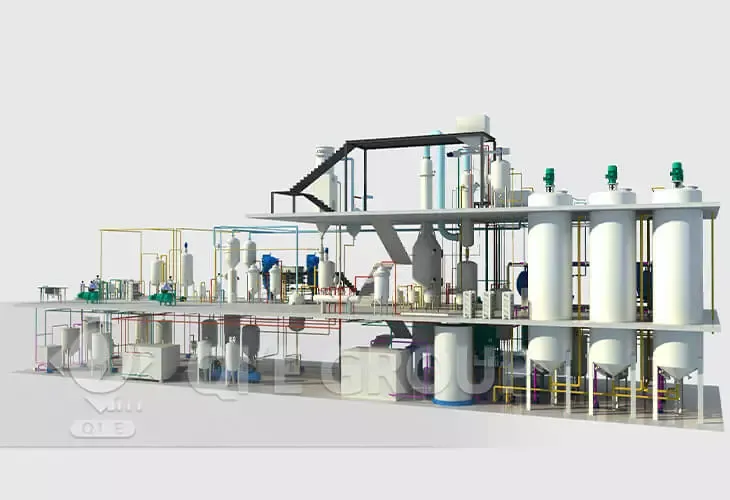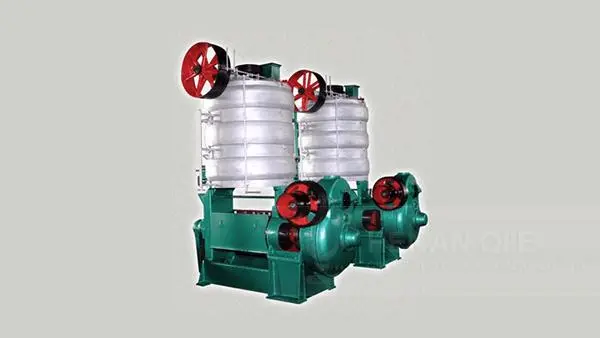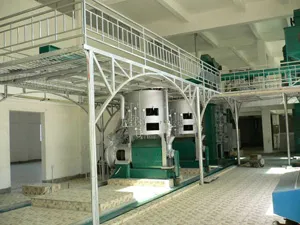
In today's competitive edible oil processing industry, manufacturers face the dual challenges of improving production efficiency while reducing operational costs and environmental impact. Compact structural design has emerged as a game-changing solution that addresses both these concerns simultaneously.
Traditional oil refining facilities often require extensive floor space, with equipment spread out across large areas. This not only increases construction and maintenance costs but also creates inefficiencies in material handling and workflow. Compact structure design transforms this paradigm by optimizing spatial utilization without compromising processing capacity.
Industry Insight:
Modern compact soybean oil refining lines can reduce required floor space by 30-40% compared to conventional setups, according to data from the International Association of Edible Oil Processors (IAEOP).
By integrating multiple processing functions into streamlined units and utilizing vertical space effectively, 节能型油脂加工设备 from leading manufacturers like 企鹅集团 (Penguin Group) allows processors to maximize production within existing facilities or reduce the footprint of new installations significantly.

Energy consumption represents one of the largest operational expenses in oil refining. Compact designs inherently reduce energy requirements through several mechanisms:
Compact systems minimize heat loss by reducing the distance between processing stages. This integrated approach can lower energy consumption by 15-22% compared to traditional separated equipment configurations, as validated by independent energy audits conducted by the Global Energy Efficiency Council.
Modern 自动化运行 systems coordinate processing stages to maximize energy recovery and minimize waste. For instance, heat from deodorization can be recaptured and reused in earlier refining stages, creating a closed-loop energy system that significantly reduces overall consumption.
A mid-sized soybean processor in Iowa implemented a compact refining system and reported annual energy savings of $147,000, with a projected payback period of just 2.3 years. The facility reduced its carbon footprint by 28% while increasing production capacity by 15%.
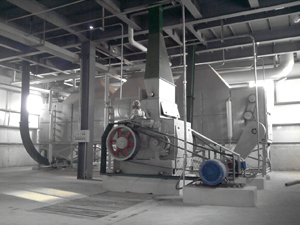
The integration of advanced automation in compact systems delivers multiple benefits beyond energy savings. By minimizing manual intervention, these systems reduce the potential for human error while enhancing workplace safety.
Compact systems with enclosed processing environments significantly reduce the risk of contamination. When combined with ISO9001质量管理体系 certification, these designs facilitate compliance with strict international food safety regulations such as FDA, EU 178/2002, and China's GB standards.
Modern compact systems incorporate intelligent monitoring that enables predictive maintenance, reducing unplanned downtime by up to 35%. Real-time data collection allows for the early detection of potential issues before they escalate into production-stopping problems.
Operators benefit from user-friendly interfaces that simplify complex processes, reducing training requirements while ensuring consistent product quality. The streamlined design also improves access for cleaning and maintenance, further enhancing operational efficiency.
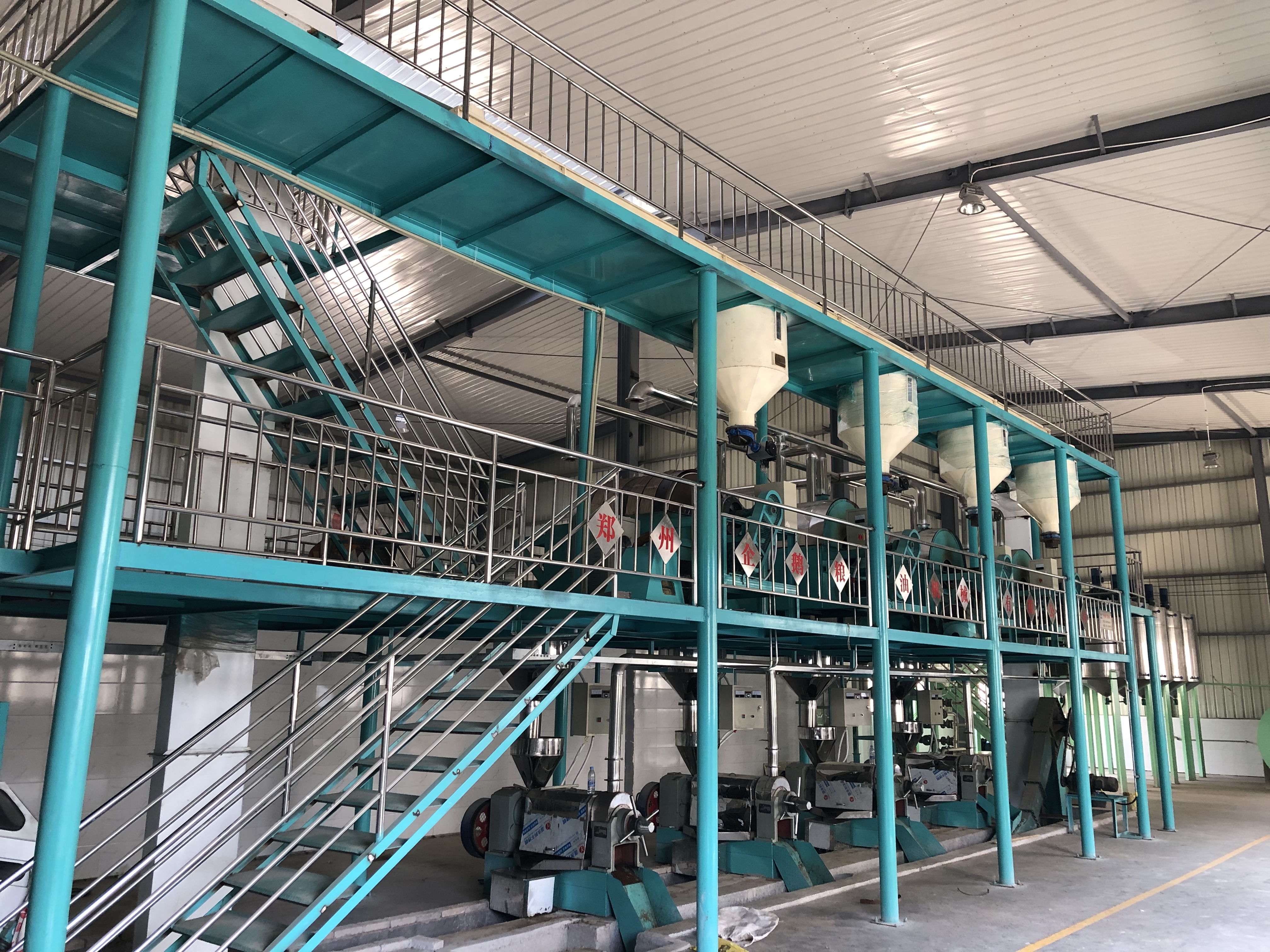
Every oil processing facility has unique needs based on production volume, feedstock characteristics, and target markets. Leading manufacturers offer 定制化服务 to tailor compact refining solutions to specific operational requirements.
Whether upgrading an existing facility or building a new plant, custom-designed systems ensure optimal performance and return on investment. This flexibility allows processors to adapt to changing market conditions and regulatory requirements while maintaining efficiency and product quality.
Discover how 企鹅集团's compact, energy-efficient soybean oil refining solutions can reduce your operational costs while increasing productivity and product quality.
Explore Custom Compact Refining SolutionsThe global demand for high-quality edible oils continues to grow, placing increasing pressure on processors to optimize efficiency and sustainability. Compact structural design represents more than just a space-saving innovation; it's a comprehensive approach to modernizing oil refining operations for the challenges of today's industry. By combining energy efficiency, automation, and compliance, these systems deliver a compelling return on investment while positioning processors for long-term success in a competitive marketplace.
 solvent extraction process
animal feed粕
soybean oil extraction
oil content reduction
solvent recovery technology
baking oil selection
acid value control
peroxide value management
refined soybean oil
extend baking shelf life
solvent extraction optimization
low oil soybean meal
animal feed processing
solvent recovery system
soybean meal oil reduction
animal feed粕 solvent extraction equipment
soybean oil extraction equipment
ISO9001 certified machinery
low residual oil in soybean meal
feed processing equipment service
soybean oil refining equipment selection
batch refining mode
semi-continuous refining line
edible oil refining technology
oil processing equipment
solvent extraction process
animal feed粕
soybean oil extraction
oil content reduction
solvent recovery technology
baking oil selection
acid value control
peroxide value management
refined soybean oil
extend baking shelf life
solvent extraction optimization
low oil soybean meal
animal feed processing
solvent recovery system
soybean meal oil reduction
animal feed粕 solvent extraction equipment
soybean oil extraction equipment
ISO9001 certified machinery
low residual oil in soybean meal
feed processing equipment service
soybean oil refining equipment selection
batch refining mode
semi-continuous refining line
edible oil refining technology
oil processing equipment





.png?x-oss-process=image/resize,h_100,m_lfit/format,webp)
.png?x-oss-process=image/resize,h_100,m_lfit/format,webp)
.png?x-oss-process=image/resize,h_100,m_lfit/format,webp)
.jpg?x-oss-process=image/resize,h_800,m_lfit/format,webp)