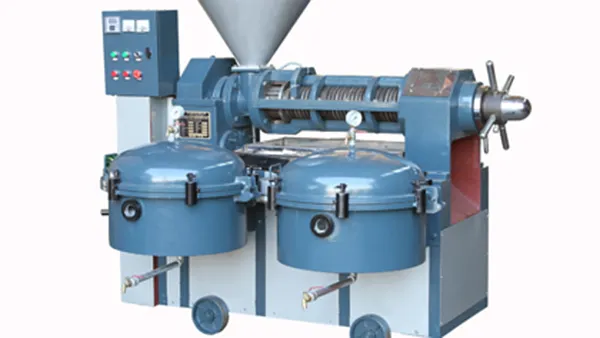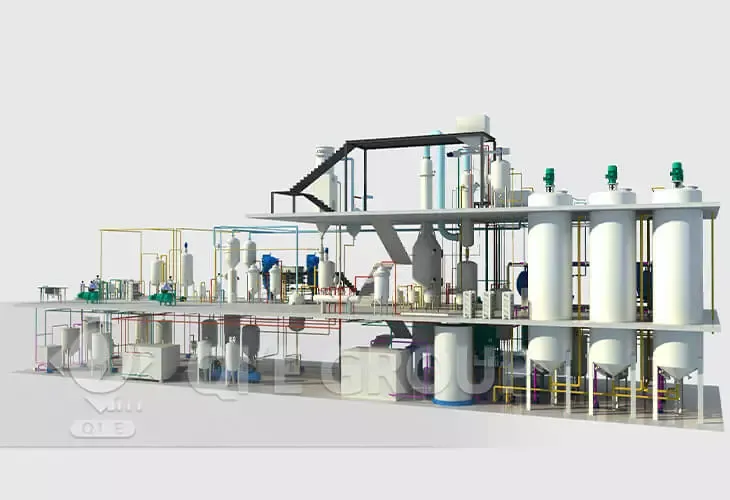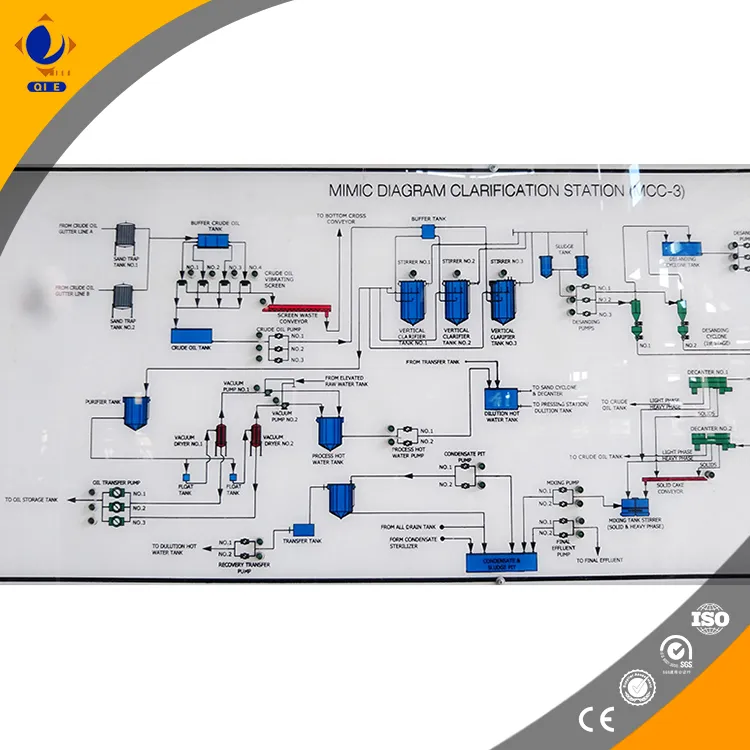
In an era where manufacturing efficiency and sustainability are paramount, the design of soybean oil refining facilities has undergone significant transformation. Traditional plants often struggle with excessive energy consumption, inefficient space utilization, and complex operations that hinder productivity. Today, we explore how compact equipment design is revolutionizing the industry, focusing on solutions that deliver measurable improvements in both operational efficiency and environmental performance.
Contemporary oil processing facilities encounter multiple challenges that impact their profitability and sustainability credentials. Energy costs typically account for 25-35% of total operational expenses in traditional refineries, with space inefficiencies leading to increased construction and maintenance costs. A survey of medium-sized processing plants revealed that conventional layouts often waste up to 40% of available floor space due to poorly integrated equipment systems.
Additionally, manual operations contribute to product inconsistencies and safety risks, with human error responsible for approximately 28% of quality control issues in non-automated facilities. These challenges have created an urgent need for innovative solutions that optimize space, reduce energy consumption, and enhance process reliability.
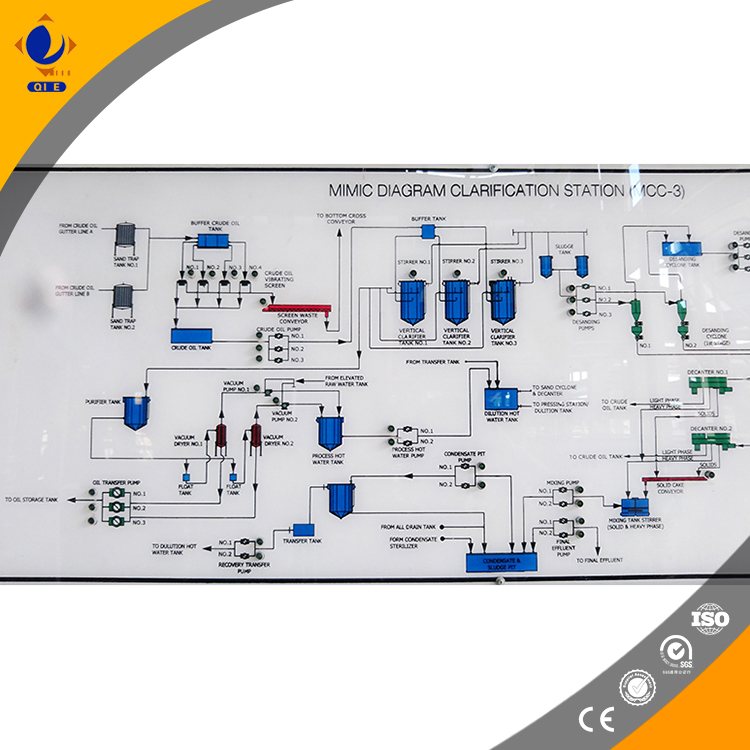
The compact design philosophy represents a paradigm shift in oil refining equipment engineering. By reimagining traditional component arrangements and integrating advanced materials, modern systems achieve remarkable space savings without compromising performance. Key technical innovations include:
Energy efficiency is equally impressive in these compact systems. By incorporating heat recovery systems and variable frequency drives, modern equipment achieves 30-40% reduction in electricity consumption compared to conventional designs. Thermal insulation advancements further contribute to energy savings, with some systems demonstrating up to 25% less heat loss during processing.
One of the most significant advantages of modern compact systems is their ability to adapt to different production requirements through multiple operating modes:
| Operation Mode | Ideal Production Scale | Key Advantages |
|---|---|---|
| Batch Processing | 50-200 TPD | Flexible production, lower initial investment |
| Semi-Continuous | 200-500 TPD | Balanced efficiency and flexibility |
| Fully Continuous | 500+ TPD | Maximum productivity, consistent quality |
This versatility allows processors of all sizes to benefit from compact design advantages. Small to medium enterprises can start with batch systems and scale up by adding modules, while large operations can implement fully continuous lines for maximum throughput.
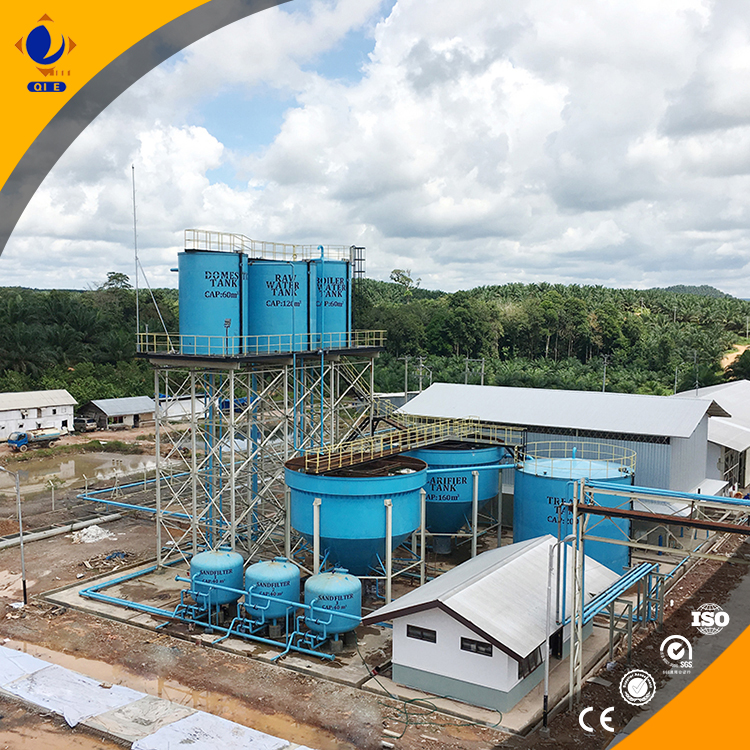
Modern compact systems incorporate advanced automation technologies that significantly reduce human intervention while improving process control. Integrated PLC systems with touch-screen interfaces allow operators to monitor and adjust key parameters in real-time, resulting in:
These automation features not only enhance product quality but also contribute to energy efficiency by optimizing processing parameters based on real-time conditions. For instance, adaptive heating systems can adjust energy input based on feedstock characteristics, reducing waste and improving yield.
Meeting international quality and environmental standards is increasingly important in global markets. Compact refining systems from leading manufacturers like 企鹅集团 (Penguin Group) are designed with ISO 9001 compliance in mind, incorporating features that simplify quality management and environmental monitoring.
Modern systems address environmental concerns through multiple strategies: heat recovery systems capture and reuse thermal energy, closed-loop water systems reduce consumption by up to 60%, and advanced filtration minimizes waste discharge. These features not only support sustainability goals but also result in significant cost savings over the equipment lifecycle.
Preventive maintenance is another critical aspect of ISO 9001 compliance. Smart monitoring systems predict maintenance needs before breakdowns occur, reducing downtime by approximately 35% and extending equipment lifespan by 20-25% compared to traditional systems.

The transition to compact refining technology involves more than just equipment installation. Leading providers offer comprehensive support throughout the project lifecycle, from initial design to ongoing maintenance. This includes detailed feasibility studies, custom system configuration, operator training, and responsive technical support.
For international operations, localized support is crucial. Providers with global service networks can offer timely assistance regardless of location, minimizing downtime and ensuring optimal performance. This level of support is particularly valuable when implementing new technologies or adapting to changing regulatory requirements.
Discover how compact design can revolutionize your facility's efficiency, sustainability, and profitability. Our team of experts will conduct a comprehensive assessment of your current operations and develop a customized solution tailored to your specific needs.
Get Your Free Technical Assessment TodayAs the global demand for high-quality edible oils continues to grow, the importance of efficient, sustainable refining processes becomes increasingly evident. Compact design represents not just a technological advancement but a strategic investment in long-term operational excellence. By embracing these innovations, processors can position themselves at the forefront of the industry, delivering superior products while minimizing environmental impact and maximizing profitability.
 solvent extraction equipment
animal feed meal processing
soybean oil extraction
residual oil reduction
solvent recovery system
automated filtration continuous oil pressing line
high-efficiency oil extraction technology
intelligent oil pressing system
small and medium oil mill modernization
oil yield improvement solutions
soybean oil refining equipment
food safety certification
energy-efficient oil processing
modular refinery design
grain and oil processing plants
304 stainless steel soybean oil refiner
efficient edible oil refining equipment
modular oil refining system
CE certified oil processing machine
ISO9001 compliant food-grade equipment
soybean oil solvent extraction equipment
animal feed meal processing system
solvent recovery technology
soybean meal oil content control
efficient solvent circulation system
solvent extraction equipment
animal feed meal processing
soybean oil extraction
residual oil reduction
solvent recovery system
automated filtration continuous oil pressing line
high-efficiency oil extraction technology
intelligent oil pressing system
small and medium oil mill modernization
oil yield improvement solutions
soybean oil refining equipment
food safety certification
energy-efficient oil processing
modular refinery design
grain and oil processing plants
304 stainless steel soybean oil refiner
efficient edible oil refining equipment
modular oil refining system
CE certified oil processing machine
ISO9001 compliant food-grade equipment
soybean oil solvent extraction equipment
animal feed meal processing system
solvent recovery technology
soybean meal oil content control
efficient solvent circulation system




.png?x-oss-process=image/resize,h_100,m_lfit/format,webp)
.png?x-oss-process=image/resize,h_100,m_lfit/format,webp)
.png?x-oss-process=image/resize,h_100,m_lfit/format,webp)