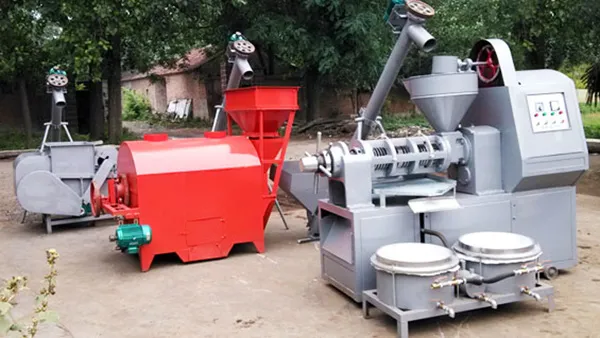
In an era where manufacturing sustainability has become a critical competitive advantage, edible oil processors are increasingly seeking solutions that balance production efficiency with environmental responsibility. The soybean oil refining industry, in particular, faces mounting pressure to reduce energy consumption while maintaining product quality and safety standards.
Traditional soybean oil refining facilities often suffer from inefficient space utilization and energy waste, with typical energy consumption ranging from 80 to 120 kWh per ton of processed oil. Penguin Group's innovative compact layout design addresses these challenges through a space-saving configuration that reduces overall energy consumption by 20-30% compared to conventional setups.
INDUSTRY INSIGHT
According to the International Energy Agency (IEA), the food processing sector accounts for approximately 15% of total industrial energy use globally, with edible oil processing representing a significant portion of this consumption.
The key to this efficiency lies in the strategic arrangement of refining components—degumming, neutralization, bleaching, and deodorization units—in a vertically integrated design. This not only reduces the physical footprint by up to 40% but also minimizes heat loss between processing stages, a major source of energy waste in traditional linear layouts.
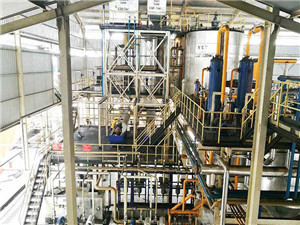
Advanced heat exchanger networks in Penguin Group's systems capture and reuse waste heat from deodorization and distillation processes. This closed-loop system can recover up to 70% of otherwise wasted thermal energy, redirecting it to preheat raw materials or power other processing stages.
Automated control systems maintain optimal processing parameters with minimal energy waste. By continuously monitoring and adjusting temperature, pressure, and flow rates, these intelligent systems reduce energy consumption by an additional 12-15% compared to manual operation, while simultaneously improving product consistency.
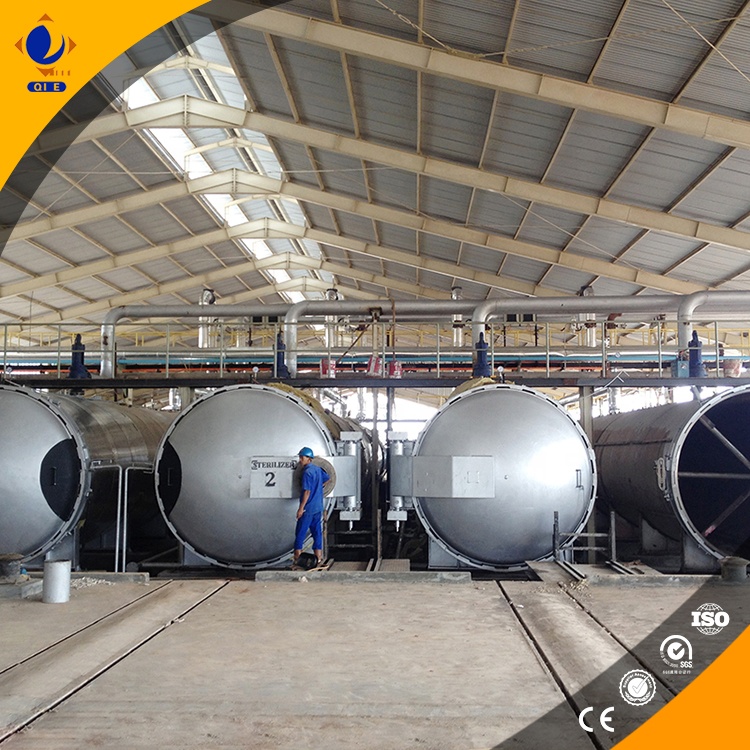
Meeting international environmental standards is no longer optional but a business necessity. Penguin Group's refining solutions are designed to comply with stringent regulations such as ISO 14001 for environmental management and ISO 9001 for quality control, ensuring that operations meet both environmental and product quality requirements.
| Environmental Aspect | Reduction Achieved | Compliance Standard |
|---|---|---|
| Energy Consumption | 20-30% | ISO 50001 |
| Water Usage | 35-45% | Local environmental regulations |
| Waste Generation | Up to 50% | ISO 14001 |
A well-implemented preventive maintenance program is essential for sustaining energy efficiency over time. Penguin Group's approach includes condition monitoring sensors, predictive maintenance scheduling, and standardized maintenance procedures that help facilities maintain peak efficiency levels throughout the equipment lifecycle.
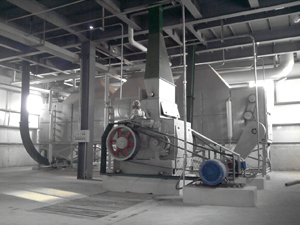
Discover how Penguin Group's compact, energy-efficient refining solutions can reduce your operational costs while enhancing environmental performance. Our team of experts provides customized assessments and global technical support to ensure your facility meets both current and future sustainability goals.
Request Your Custom Energy Efficiency AssessmentAs the global focus on sustainable manufacturing intensifies, the adoption of energy-efficient technologies becomes not just an environmental imperative but a strategic business decision. Companies that invest in compact, optimized refining systems today are positioning themselves for long-term success in an increasingly competitive marketplace.
 Solvent extraction method
Soybean meal oil content control
Solvent recycling technology
Feed meal production equipment
Oil extraction process
low free fatty acid soybean oil
baked goods shelf life
oil acid value control
peroxide value management
refined soybean oil for baking
Solvent extraction method
Animal feed meal
Reduction of soybean meal oil content
Solvent recycling
Feed production technology
food-grade refined soybean oil
baking soybean oil
acid value standard
export food compliance
soybean oil technical parameters
animal feed粕 solvent extraction equipment
soybean oil extraction equipment
ISO9001 certified machinery
low residual oil in soybean meal
feed processing equipment service
Solvent extraction method
Soybean meal oil content control
Solvent recycling technology
Feed meal production equipment
Oil extraction process
low free fatty acid soybean oil
baked goods shelf life
oil acid value control
peroxide value management
refined soybean oil for baking
Solvent extraction method
Animal feed meal
Reduction of soybean meal oil content
Solvent recycling
Feed production technology
food-grade refined soybean oil
baking soybean oil
acid value standard
export food compliance
soybean oil technical parameters
animal feed粕 solvent extraction equipment
soybean oil extraction equipment
ISO9001 certified machinery
low residual oil in soybean meal
feed processing equipment service






.png?x-oss-process=image/resize,h_100,m_lfit/format,webp)
.png?x-oss-process=image/resize,h_100,m_lfit/format,webp)
.png?x-oss-process=image/resize,h_100,m_lfit/format,webp)