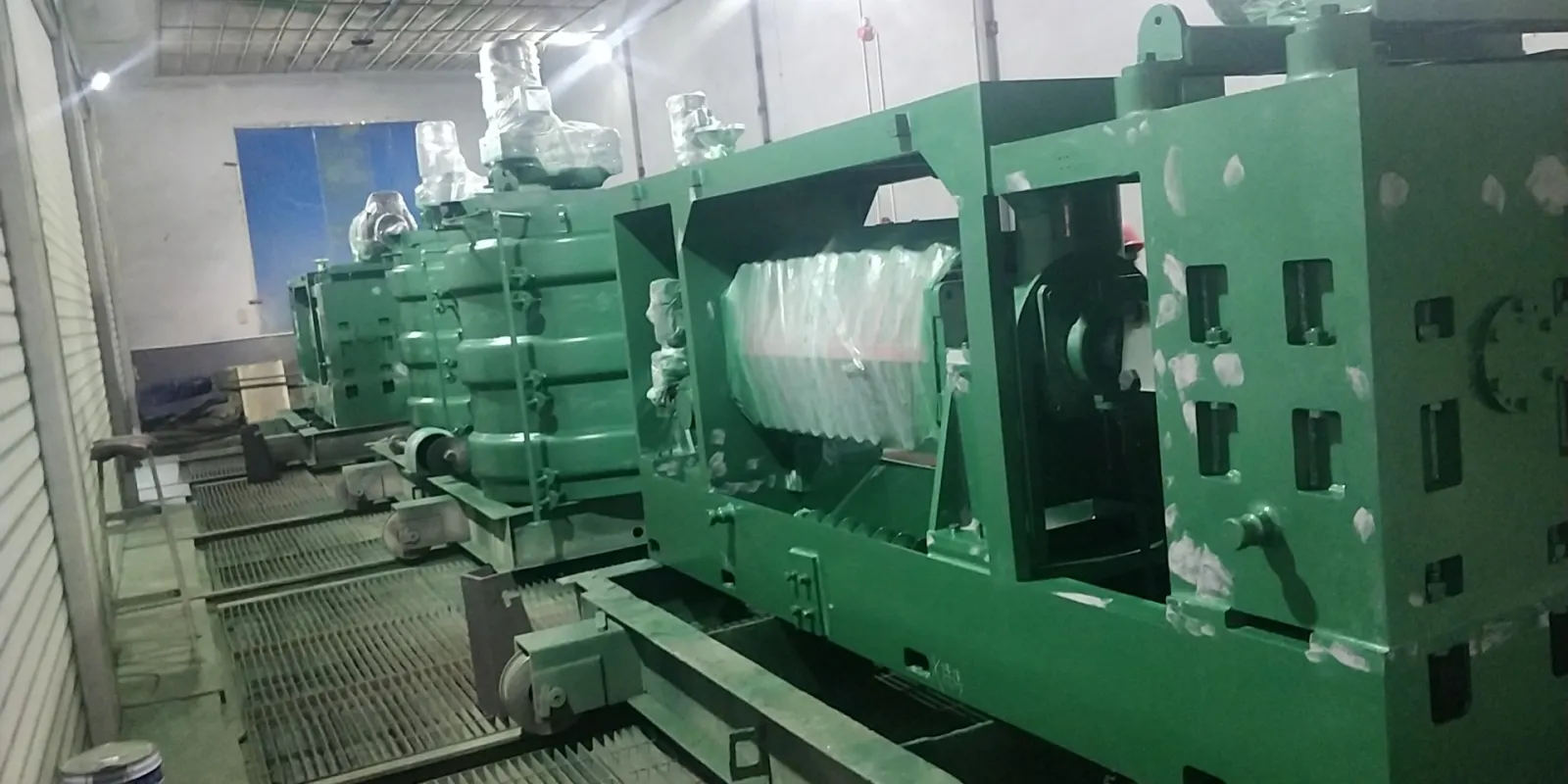
As a decision-maker in the edible oil processing industry, you understand that selecting the right refining equipment directly impacts your operational efficiency, product quality, and bottom line. The choice between batch and semi-continuous refining systems isn't merely technical—it's a strategic decision that aligns with your production goals, budget constraints, and long-term growth plans. Let's explore how these two operational modes compare across critical performance metrics.
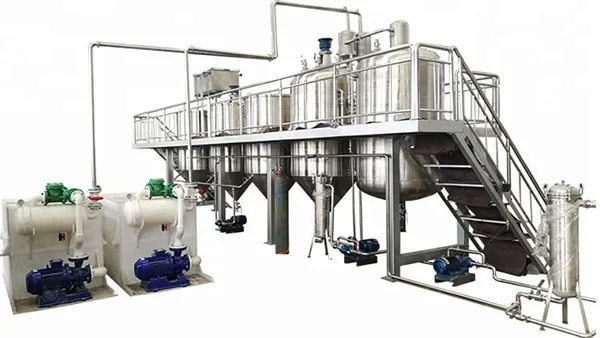
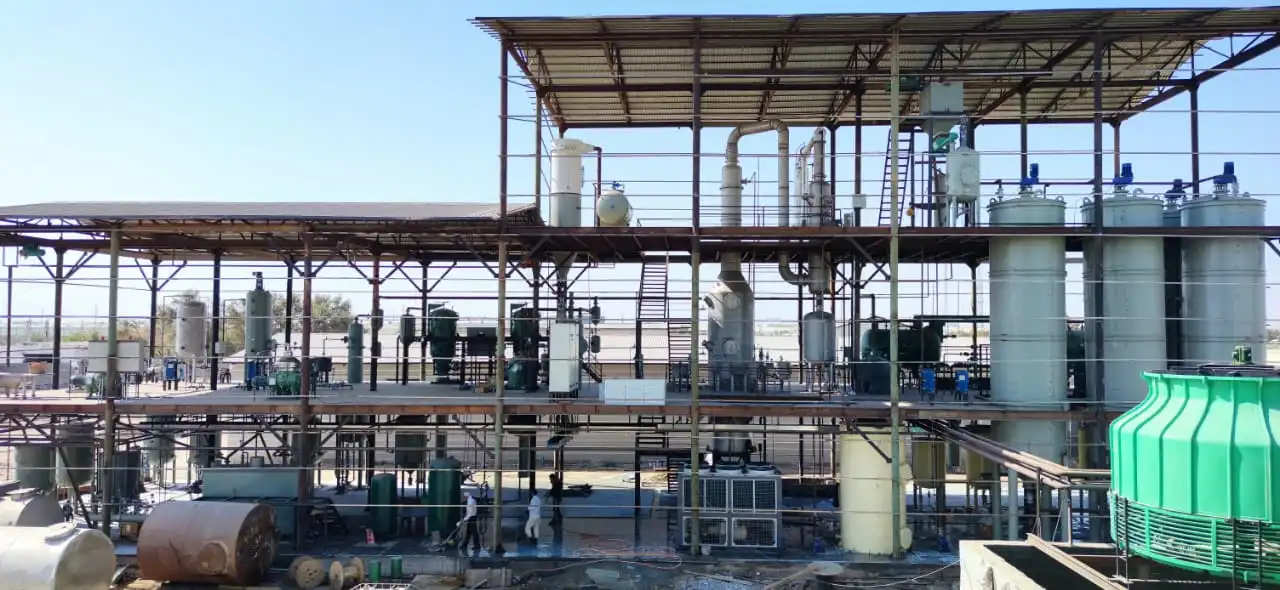
Batch refining systems process oil in discrete batches, typically ranging from 500kg to 5 tons per cycle, making them ideal for smaller operations. In contrast, semi-continuous systems operate with overlapping processing stages, maintaining a near-constant flow that supports higher production volumes—typically 20 tons per day and above.
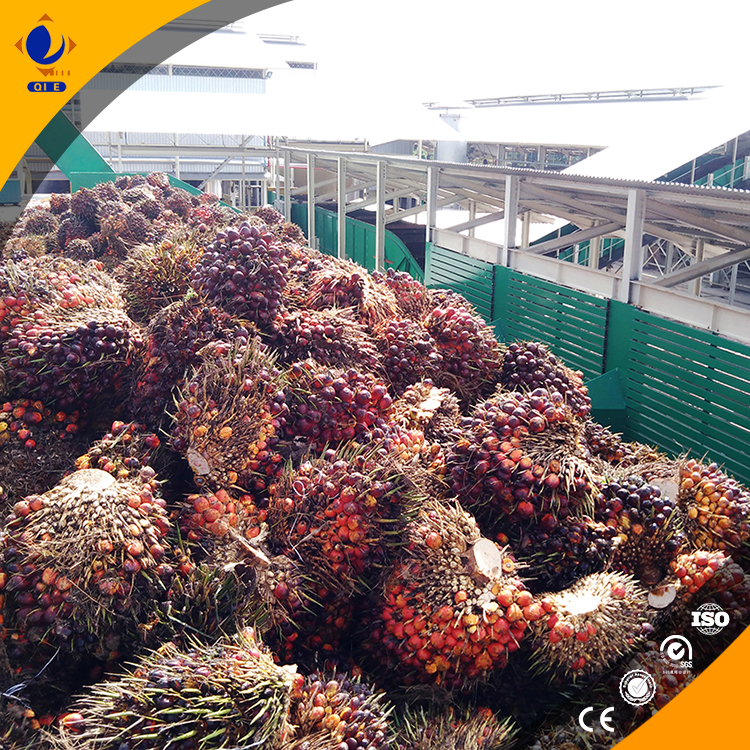
The fundamental distinction lies in how these systems handle the four key refining stages: degumming, neutralization, bleaching, and deodorization. Batch systems process each stage sequentially in the same vessel, while semi-continuous systems utilize dedicated equipment for each stage with continuous material transfer.
| Metrics | Batch Processing | Semi-Continuous Processing |
|---|---|---|
| Energy Consumption | Higher (15-25% more than semi-continuous) | Lower (optimized heat recovery systems) |
| Manpower Requirement | 3-4 operators per shift | 1-2 operators per shift (automated controls) |
| Product Consistency | ±3-5% variation between batches | ±1-2% variation (stable process parameters) |
| Footprint Requirement | Compact (30-50 sq.m for 5TPD) | Larger (150-300 sq.m for 50TPD) |
| Typical ROI Period | 12-18 months | 24-30 months |
Industry Expert Insight
"For operations below 20 tons per day, batch systems offer the best balance of investment and flexibility. Above this threshold, the labor and energy savings of semi-continuous systems typically justify the higher initial investment within 2-3 years of operation." — Dr. Michael Chen, Food Processing Technology Specialist at International Edible Oil Association
A family-owned soybean processor implemented a batch refining line from 企鹅集团 to meet regional demand for premium cooking oil. The system reduced their processing time by 40% compared to their previous manual methods while maintaining product quality that meets Brazil's ANVISA standards.
Key Results: 32% reduction in labor costs, 28% lower energy consumption, payback period of 14 months.
A palm oil processor expanded into soybean processing with a semi-continuous system, achieving consistent refining results across 3 production shifts. The automated controls reduced human error and enabled remote monitoring of critical process parameters.
Key Results: 99.2% product consistency, 35% lower utility costs, 24/7 operation capability with minimal supervision.
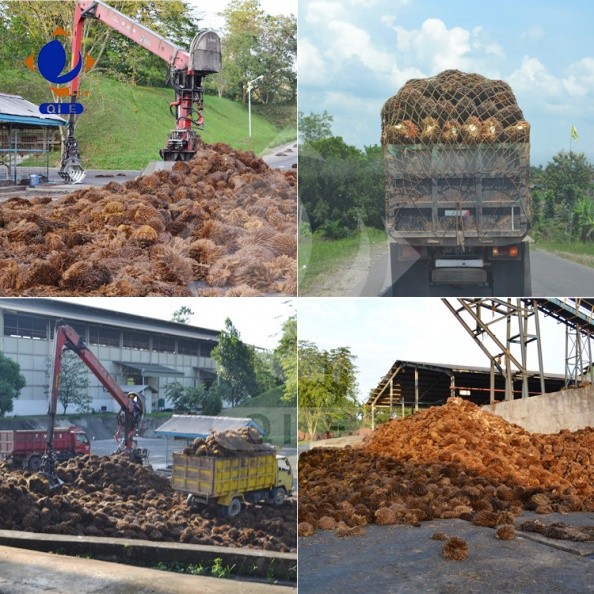
Today's oil processing facilities face increasing pressure to reduce environmental impact while meeting stringent food safety standards. Modern refining equipment incorporates several sustainability features:
These features not only reduce your environmental footprint but also position your products for access to premium markets that demand sustainable sourcing and production practices.
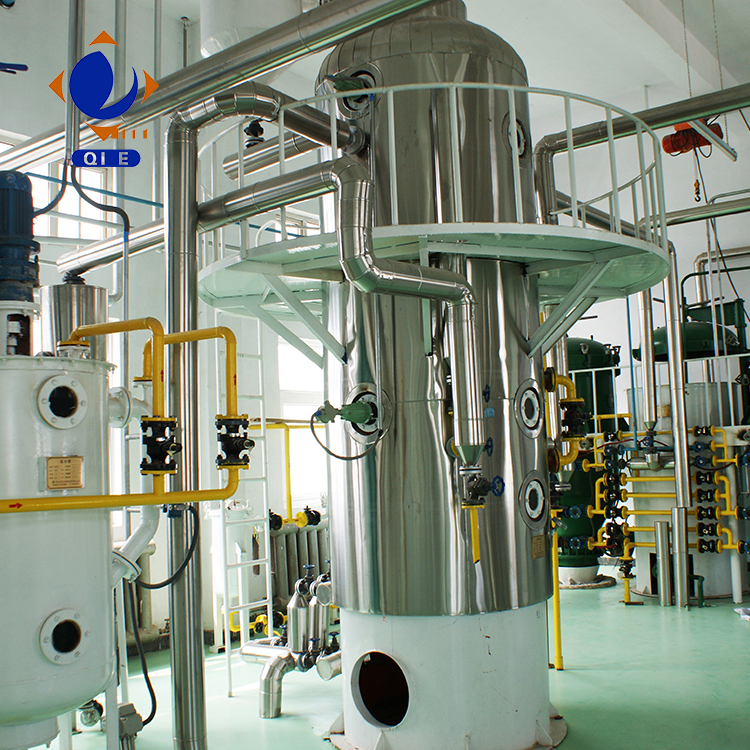
When evaluating batch vs. semi-continuous systems, consider these critical factors:
Production Volume: Batch systems excel below 20 TPD; semi-continuous becomes economically viable above this threshold
Product Portfolio: Batch systems offer greater flexibility for small-batch specialty oils
Labor Availability: Semi-continuous systems reduce dependency on skilled operators
Space Constraints: Batch systems require significantly less floor space
Future Expansion: Semi-continuous systems offer easier capacity scaling
The right equipment choice aligns with both your current needs and future aspirations. Whether you're establishing a new facility or upgrading existing operations, the goal is to achieve optimal balance between capital investment, operational costs, and product quality.
Our team of experts at 企鹅集团 will analyze your production requirements and design a customized solution that maximizes efficiency and profitability.
Get Your Personalized Equipment Configuration NowRemember that the most expensive equipment isn't always the best investment, and the cheapest option may cost more in the long run through inefficiencies. By carefully evaluating your specific circumstances and aligning them with the capabilities of each system, you'll make a decision that drives sustainable growth for your oil processing business.
 soybean oil yield improvement
automatic filter press for oil extraction
small oil mill process optimization
cold press vs hot press oil production
oil extraction efficiency enhancement
Soybean oil solvent extraction equipment design guide
Soybean meal oil content control technology
Solvent recovery system optimization
Animal feed meal processing technology
Hexane solvent recycling
soybean oil refining equipment
energy-saving oil refining machines
304 stainless steel refining equipment
modular oil refining systems
food-grade refining technology
animal feed meal solvent extraction equipment
soybean oil extraction machine
soy meal oil content control
solvent recovery system
grain and oil machinery after-sales service
soybean oil refining equipment
degumming and deodorization technology
edible oil refining process
fully automated soybean oil equipment
oil quality control
soybean oil yield improvement
automatic filter press for oil extraction
small oil mill process optimization
cold press vs hot press oil production
oil extraction efficiency enhancement
Soybean oil solvent extraction equipment design guide
Soybean meal oil content control technology
Solvent recovery system optimization
Animal feed meal processing technology
Hexane solvent recycling
soybean oil refining equipment
energy-saving oil refining machines
304 stainless steel refining equipment
modular oil refining systems
food-grade refining technology
animal feed meal solvent extraction equipment
soybean oil extraction machine
soy meal oil content control
solvent recovery system
grain and oil machinery after-sales service
soybean oil refining equipment
degumming and deodorization technology
edible oil refining process
fully automated soybean oil equipment
oil quality control





.png?x-oss-process=image/resize,h_100,m_lfit/format,webp)
.png?x-oss-process=image/resize,h_100,m_lfit/format,webp)
.png?x-oss-process=image/resize,h_100,m_lfit/format,webp)
.jpg?x-oss-process=image/resize,h_800,m_lfit/format,webp)