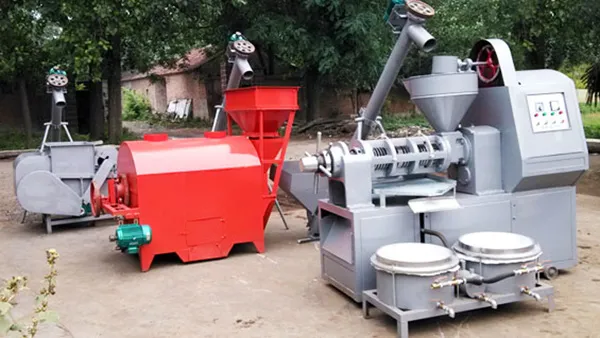
In today's competitive edible oil industry, producing high-quality soybean oil that meets international standards requires more than just basic processing. The refining process stands as the critical bridge between crude oil extraction and the final consumer product, directly impacting oil quality, shelf life, and market value. For edible oil manufacturers aiming to enhance product quality while reducing operational costs, mastering the art and science of refining is essential.
Crude soybean oil contains various impurities including free fatty acids (FFA), phospholipids, pigments, and oxidation products that affect taste, stability, and safety. Proper refining removes these contaminants while preserving beneficial components, resulting in oil that typically achieves:
Deacidification is the process of removing free fatty acids that cause unpleasant taste and reduce oil stability. The two primary methods include chemical neutralization and physical refining, each with distinct advantages depending on crude oil quality and production scale.
Chemical neutralization typically uses sodium hydroxide to convert FFAs into soapstock, which is then separated by centrifugation. Key parameters include:
Physical refining, increasingly popular for high-quality crude oils, uses steam distillation under vacuum to strip FFAs, offering advantages in yield (2-3% higher than chemical methods) and reduced wastewater generation.
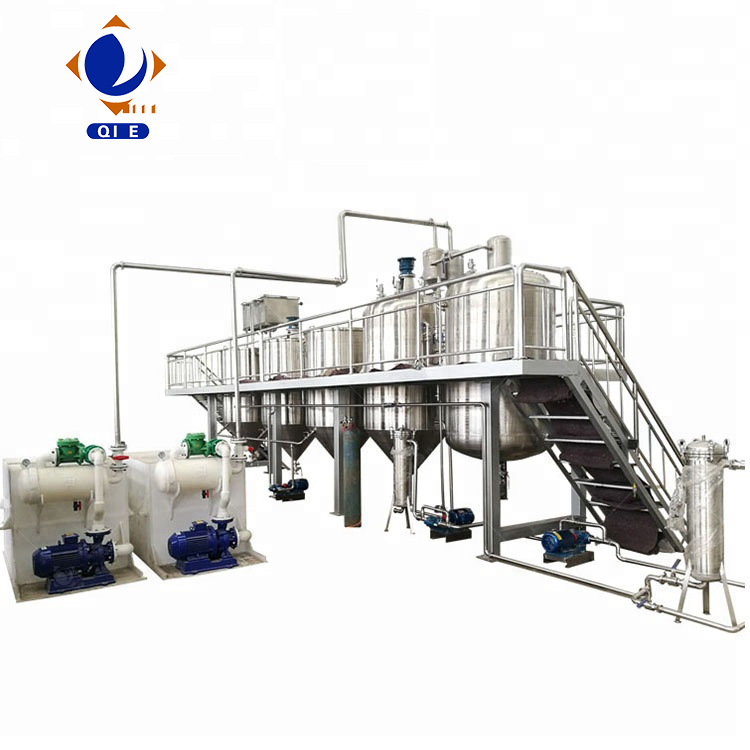
Phospholipids (gums) in crude soybean oil cause emulsification during processing and reduce oil stability. Effective degumming is critical for subsequent refining steps and final product quality.
Water degumming, the most common method, involves adding 1-3% water at 60-70°C, followed by mixing and centrifugation. For high-phosphorus oils, acid degumming with phosphoric or citric acid (0.1-0.3% dosage) achieves better results, reducing phosphorus levels to below 10 ppm before neutralization.
Optimizing the degumming step can reduce subsequent bleaching earth usage by up to 30%. Maintaining precise temperature control within ±2°C and adequate mixing intensity prevents incomplete gum hydration and ensures efficient separation.
Bleaching removes pigments (carotenoids, chlorophyll), oxidation products, and residual soap, significantly impacting the oil's appearance and stability. The process involves contact with adsorbent materials under controlled conditions.
Key parameters for optimal bleaching include:
Modern bleaching systems utilize activated clays and silica adsorbents in sequential processes, achieving color reduction of 80-90% while minimizing oil retention in the spent earth.
Emulsions during neutralization occur when soapstock fails to separate properly, often caused by excessive mixing, incorrect temperature, or high phospholipid content. Solutions include:
Post-bleaching color reversion, where oil darkens during storage, typically results from incomplete removal of chlorophyll or oxidative precursors. Prevention strategies include:
Excessive acid value in refined oil (above 0.15 mg KOH/g) indicates incomplete deacidification. Common causes and solutions:
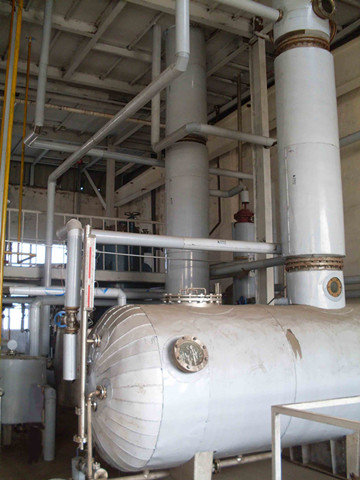
Traditional refining processes often suffer from high energy consumption and labor intensity. Modern systems incorporating automation and energy recovery can achieve significant improvements:
| Parameter | Traditional Process | Modern Automated Process |
|---|---|---|
| Energy Consumption | 120-150 kWh/ton oil | 70-90 kWh/ton oil (30-40% reduction) |
| Labor Requirement | 3-4 operators/shift | 1-2 operators/shift |
| Product Consistency | ±15% variation in key parameters | ±3% variation in key parameters |
| Water Usage | 8-10 m³/ton oil | 3-5 m³/ton oil (50% reduction) |
Automated control systems with online monitoring of key parameters (acid value, color, phosphorus content) allow for real-time adjustments, ensuring consistent product quality while minimizing waste. Energy integration techniques, such as heat recovery from deodorization to preheat crude oil, further reduce operational costs.
Today's edible oil producers face increasing pressure to meet stringent international standards and sustainability targets. ISO 22000 and HACCP certification require rigorous process control and traceability throughout the production chain.
Environmental regulations also demand reduced water usage and waste generation. Modern 节能型精炼设备 (energy-efficient refining equipment) from leading manufacturers like 企鹅集团 (Penguin Group) incorporate closed-loop water systems and waste reduction technologies that align with these requirements.
Ready to achieve 30% energy savings, improve product quality, and meet international certification standards? Discover how 企鹅集团's (Penguin Group) automated refining systems can transform your operations.
Explore Custom Refining SolutionsAs consumer demand for high-quality, sustainably produced edible oils continues to grow, investing in optimized refining technology becomes not just a competitive advantage but a business necessity. By focusing on process optimization, energy efficiency, and quality control, oil processors can achieve significant operational improvements while meeting the evolving needs of the global market.
 solvent extraction optimization
low oil soybean meal
animal feed processing
solvent recovery system
soybean meal oil reduction
animal feed solvent extraction equipment
soybean oil solvent extraction
solvent extraction equipment after-sales support
feed meal production machinery
grain and oil processing equipment
Soybean oil press
Continuous pressing production line
Automatic filtration system
Comprehensive oil extraction rate
Intelligent control system
continuous soybean oil press
automatic filtration oil press
high-efficiency oil extraction
intelligent oil pressing system
small oil mill equipment
soybean oil extraction equipment
solvent recovery system
animal feed meal processing
desolventizing equipment
solvent loss reduction
solvent extraction optimization
low oil soybean meal
animal feed processing
solvent recovery system
soybean meal oil reduction
animal feed solvent extraction equipment
soybean oil solvent extraction
solvent extraction equipment after-sales support
feed meal production machinery
grain and oil processing equipment
Soybean oil press
Continuous pressing production line
Automatic filtration system
Comprehensive oil extraction rate
Intelligent control system
continuous soybean oil press
automatic filtration oil press
high-efficiency oil extraction
intelligent oil pressing system
small oil mill equipment
soybean oil extraction equipment
solvent recovery system
animal feed meal processing
desolventizing equipment
solvent loss reduction



.jpg?x-oss-process=image/resize,h_800,m_lfit/format,webp)


.png?x-oss-process=image/resize,h_100,m_lfit/format,webp)
.png?x-oss-process=image/resize,h_100,m_lfit/format,webp)
.png?x-oss-process=image/resize,h_100,m_lfit/format,webp)
.jpg?x-oss-process=image/resize,h_800,m_lfit/format,webp)