For edible oil processors across Asia and Africa, selecting the right solvent extraction equipment is a critical decision that directly impacts operational efficiency, production costs, and long-term profitability. With capacity requirements growing exponentially—particularly in emerging markets where demand for vegetable oils increases at 5-7% annually—investing in equipment that balances capacity with performance has never been more important.
The foundation of any successful solvent extraction operation lies in precise capacity matching. Asian processors typically require equipment handling 500-1,500 tons per day (TPD), while African facilities often scale between 300-1,000 TPD based on regional demand patterns. Mismatched capacity leads to either underutilization (wasting capital expenditure) or bottlenecks (losing market opportunities).
Consider the case of a Nigerian soybean processor that upgraded from a 300 TPD to 600 TPD system in 2022. By aligning equipment capacity with their expanded raw material supply chain, they reduced per-unit production costs by 18% while increasing output by 92% within the first year of operation.
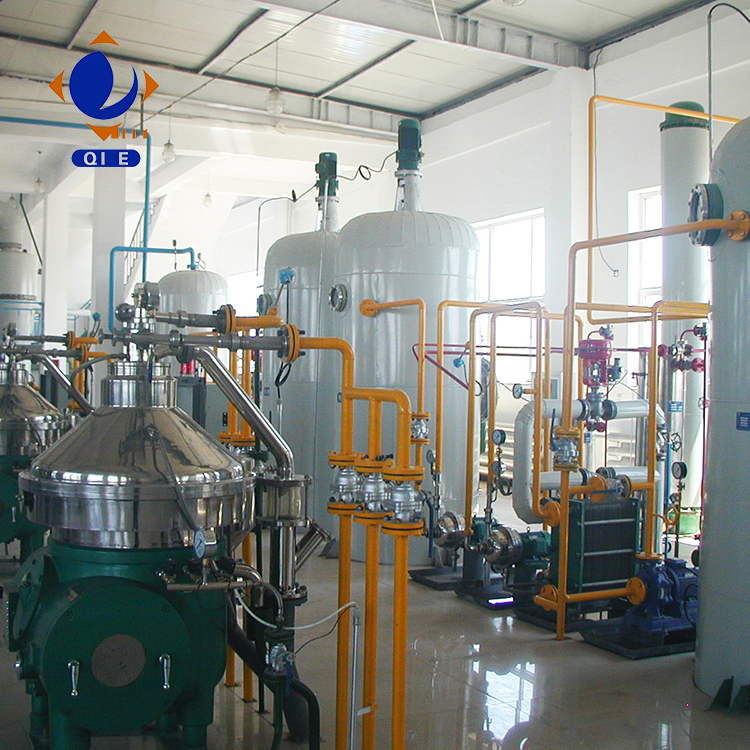
Modern solvent extraction systems offer automation options ranging from basic PLC control to fully integrated Industry 4.0 solutions. In labor-scarce Asian markets like Singapore and South Korea, high automation reduces reliance on skilled operators, while in regions with more accessible labor pools, semi-automated systems may represent better value.
A Malaysian palm oil processor implemented automated solvent recovery and temperature control systems, resulting in 22% lower solvent consumption and 15% fewer quality control issues compared to their previous semi-manual operation. The investment paid for itself within 14 months through reduced material waste and improved product consistency.
Energy typically accounts for 30-40% of total operating expenses in solvent extraction plants. Modern equipment incorporating heat recovery systems can reduce energy consumption by 25-35% compared to older designs. For a 1,000 TPD facility, this translates to annual savings of $150,000-$300,000 depending on local energy costs.
In India, where electricity costs have risen 12% annually since 2018, processors report that equipment with advanced heat exchangers and variable frequency drives now represents a competitive necessity rather than an optional upgrade.
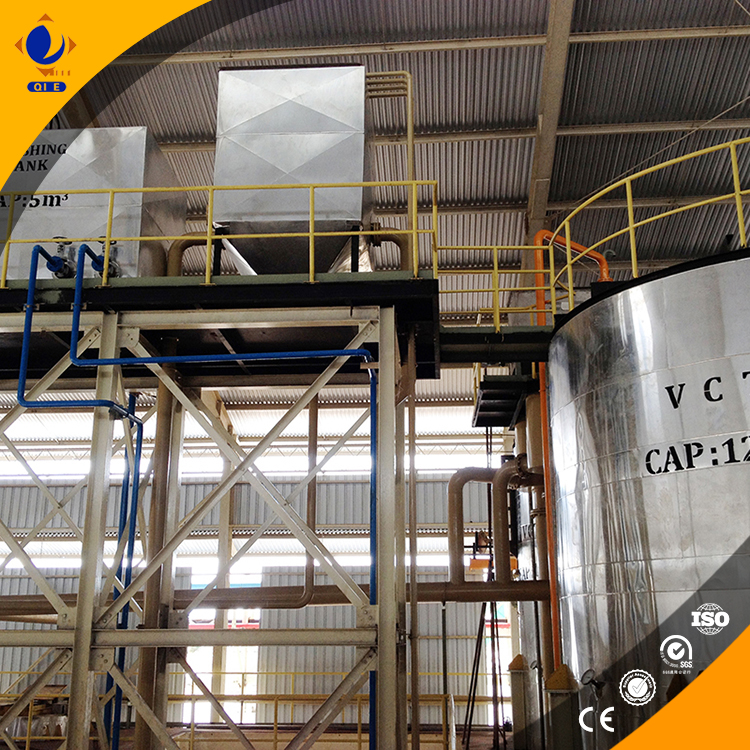
For facilities in remote regions of Africa and Southeast Asia, equipment maintainability directly impacts uptime. Design features such as quick-access panels, standardized components, and predictive maintenance sensors can reduce unplanned downtime by 40-60%.
A Kenyan processor operating in the Rift Valley reported that their new system with modular design reduced maintenance time by 55% compared to their previous equipment, allowing them to increase annual operating days from 280 to 330—a 17.9% boost in production capacity without additional capital investment.
A medium-sized processor in East Java upgraded from a 400 TPD to 600 TPD system in Q1 2023, incorporating:
Results after six months of operation included 28% lower energy costs, 12% higher oil yield, and a 22% reduction in solvent losses, with the total investment projected to reach ROI in 2.3 years.
Operating in a region with inconsistent power supply, a Lagos-based processor implemented a 500 TPD system with:
Despite challenging conditions, the plant maintained 92% uptime in its first year, exceeding industry averages for the region by 15% and achieving payback three months ahead of schedule.
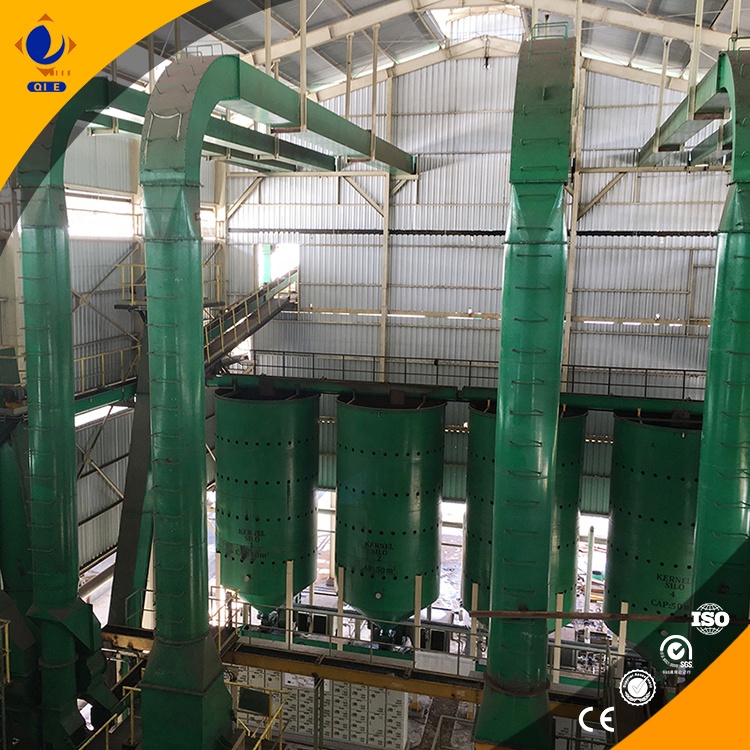
When evaluating large-capacity solvent extraction equipment, processors frequently encounter preventable challenges:
Many African facilities face unexpected costs when equipment power needs exceed local grid capacity, requiring expensive generator upgrades.
Complex systems requiring specialized technicians can create bottlenecks in regions with limited technical expertise.
The 企鹅集团 (Penguin Group) approach emphasizes equipment designs tailored to regional conditions, with local technical support networks to address these common challenges.
Download our comprehensive Asia-Africa Solvent Extraction Equipment Selection Guide featuring:
When planning your next solvent extraction equipment investment, remember that the most successful projects balance technical specifications with regional realities. Whether you're expanding an existing facility in Indonesia or building a new plant in Tanzania, the right equipment selection requires careful analysis of not just capacity, but also energy costs, labor availability, and maintenance requirements.
Industry data shows that processors who conduct thorough upfront analysis reduce implementation timelines by an average of 23% and achieve ROI 11 months faster than those who rush equipment selection. With commodity markets becoming increasingly competitive, this careful planning can mean the difference between market leadership and marginal profitability.
 solvent extraction process
animal feed粕
soybean oil extraction
oil content reduction
solvent recovery technology
Soybean oil solvent extraction equipment design guide
Soybean meal oil content control technology
Solvent recovery system optimization
Animal feed meal processing technology
Hexane solvent recycling
food-grade refined soybean oil
baking soybean oil
acid value standard
export food compliance
soybean oil technical parameters
low free fatty acid soybean oil
refined soybean oil for baking
cookie crispness improvement
food oil oxidative stability
baking shelf life extension
Solvent extraction equipment
Low - oil technology for soybean meal
Soybean oil extraction process
Feed meal production optimization
Hexane solvent recovery
solvent extraction process
animal feed粕
soybean oil extraction
oil content reduction
solvent recovery technology
Soybean oil solvent extraction equipment design guide
Soybean meal oil content control technology
Solvent recovery system optimization
Animal feed meal processing technology
Hexane solvent recycling
food-grade refined soybean oil
baking soybean oil
acid value standard
export food compliance
soybean oil technical parameters
low free fatty acid soybean oil
refined soybean oil for baking
cookie crispness improvement
food oil oxidative stability
baking shelf life extension
Solvent extraction equipment
Low - oil technology for soybean meal
Soybean oil extraction process
Feed meal production optimization
Hexane solvent recovery



.jpg?x-oss-process=image/resize,h_800,m_lfit/format,webp)



.png?x-oss-process=image/resize,h_100,m_lfit/format,webp)
.png?x-oss-process=image/resize,h_100,m_lfit/format,webp)
.png?x-oss-process=image/resize,h_100,m_lfit/format,webp)