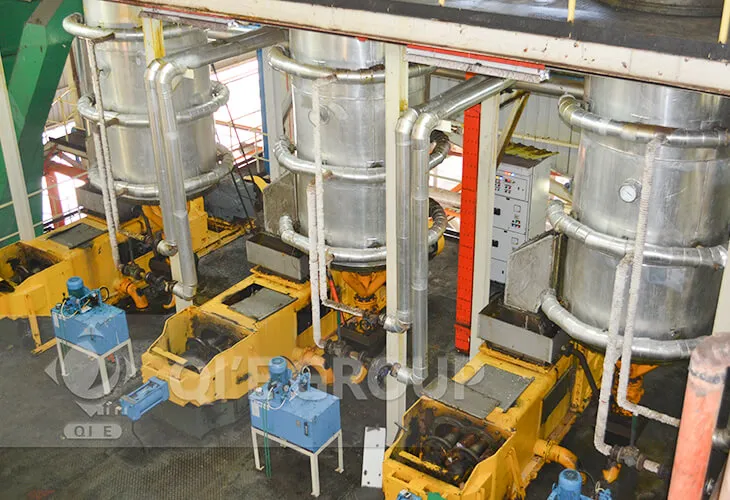
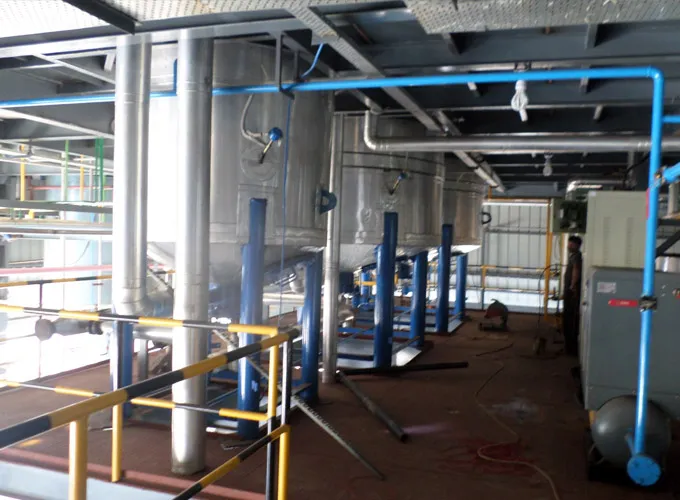
For Asian and African edible oil processors, selecting the right large-capacity soybean oil solvent extraction equipment is a critical decision that directly impacts production efficiency, operational costs, and long-term profitability. This comprehensive guide will walk you through the essential factors to consider, helping you make an informed choice that aligns with your specific business needs.
The capacity of soybean oil solvent extraction equipment is not just about how much raw material it can process per day, but also about consistent performance under varying conditions. A 500 tons per day (TPD) system should ideally maintain 95% of its rated capacity during continuous operation. When evaluating capacity, consider not only your current needs but also future expansion plans. Most oil processors experience a 10-15% annual growth in production volume, so selecting equipment with a 20-30% capacity buffer is a prudent strategy.
Expert Insight: "Many processors make the mistake of selecting equipment based solely on current demand. A system that operates at maximum capacity from day one leaves no room for growth and often leads to premature equipment wear," explains Dr. James Wilson, Senior Process Engineer at the International Edible Oil Institute.
The automation level of your extraction equipment directly impacts labor costs and operational efficiency. Modern systems offer varying degrees of automation, from semi-automatic to fully automated control systems. A fully automated 1000 TPD extraction line typically requires 8-12 operators per shift, compared to 18-24 operators for a semi-automatic system of the same capacity. While initial investment in automation is higher, the labor cost savings (often 30-40% annually) usually result in a payback period of 2-3 years.
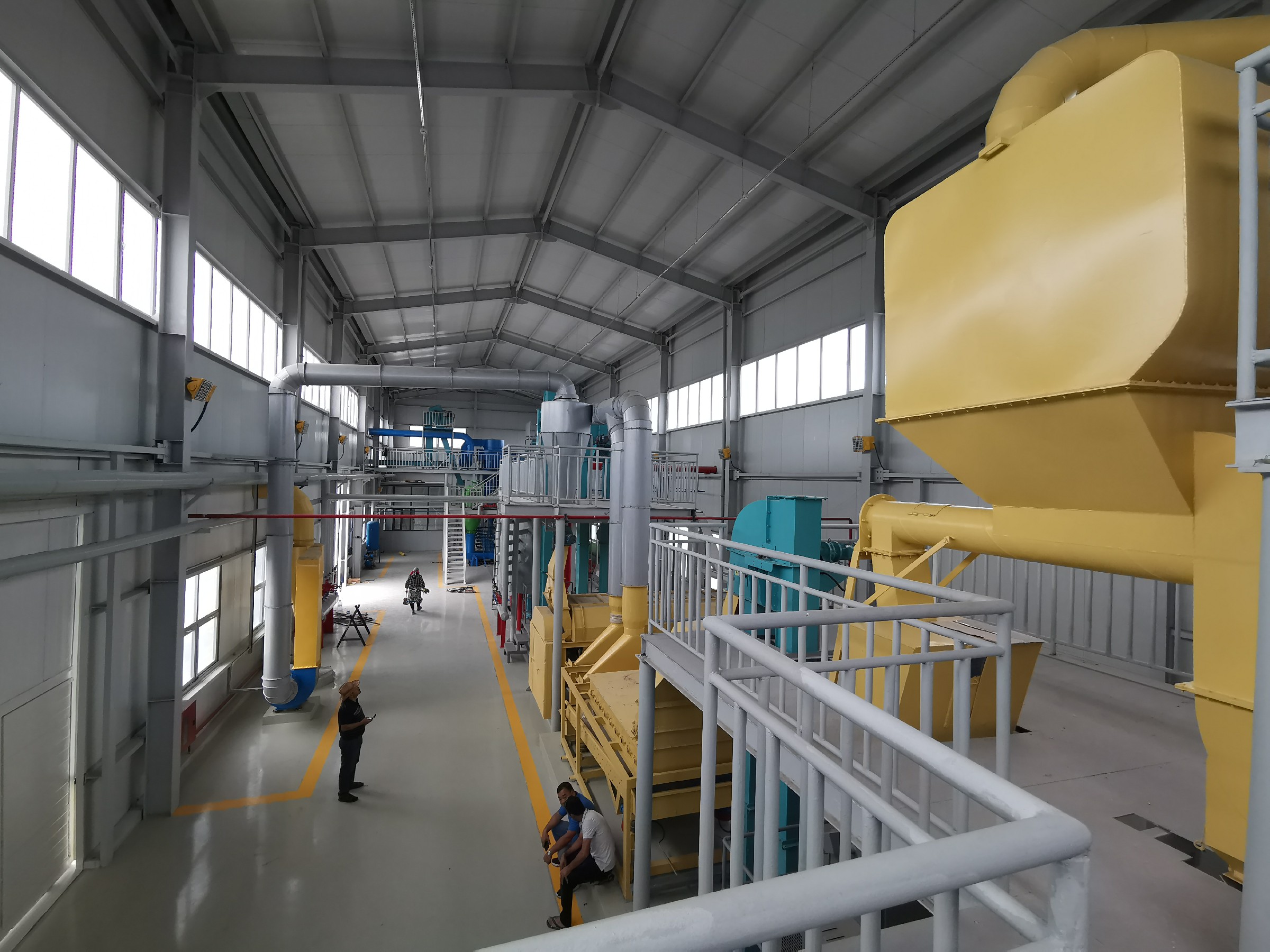
Energy consumption represents 15-25% of total operating costs in soybean oil extraction plants. When comparing equipment, look for specific energy consumption (SEC) values, typically measured in kWh per ton of processed soybeans. Modern efficient systems achieve SEC values of 60-80 kWh/ton, while older or poorly designed systems may consume 100-120 kWh/ton. Over a year of operation, this difference can translate to savings of $50,000-$150,000 for a 500 TPD facility, depending on local energy costs.
A 300 TPD soybean processing facility in Thailand upgraded from a semi-automatic to a fully automated solvent extraction system in 2021. The results after 18 months showed:
A farmer cooperative in Nigeria implemented a modular 150 TPD system with partial automation in 2020. Key outcomes:

Soybean characteristics vary significantly across regions, and your equipment should be tailored to local conditions. Asian soybeans typically have 18-20% oil content and 10-12% moisture, while African varieties may range from 16-22% oil content with moisture levels between 8-15%. Equipment designed for high-moisture soybeans will perform sub-optimally with dry beans, and vice versa. Discuss your specific raw material characteristics with equipment suppliers to ensure proper configuration.
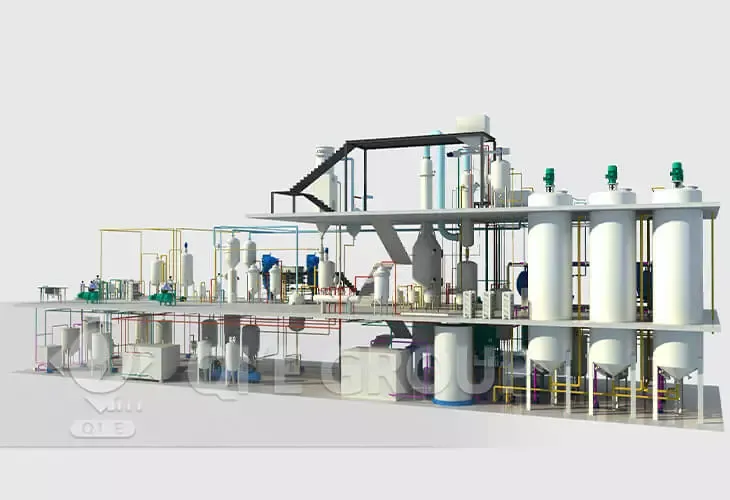
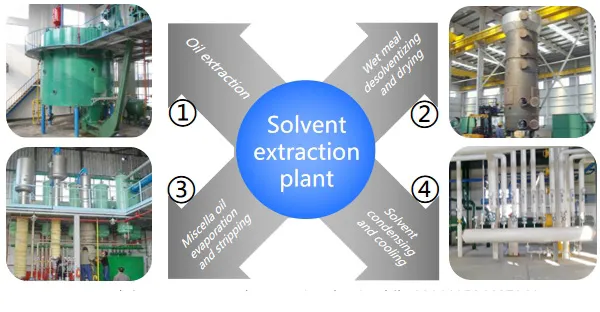
For growing operations, modular systems offer the flexibility to expand incrementally. Consider starting with core components (preprocessing, extraction, and desolventizing) and adding auxiliary systems (distillation, wastewater treatment) as your business grows. Penguin Group offers modular extraction solutions that can be expanded from 100 TPD up to 2000 TPD without significant modifications to existing infrastructure.
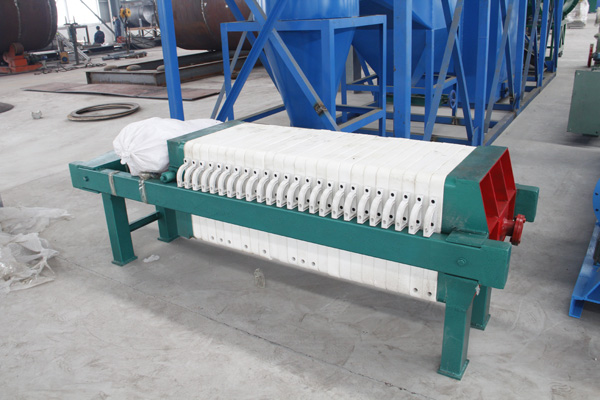
Selecting the right soybean oil solvent extraction equipment requires balancing technical specifications with your business goals, local conditions, and long-term growth plans. By focusing on capacity, automation, energy efficiency, and adaptability to local raw materials, you can make a decision that maximizes your return on investment.
Get personalized recommendations based on your specific production requirements and regional conditions.
Download Your Free Equipment Selection GuideWhat challenges have you faced in selecting oil extraction equipment for your facility? Share your experiences in the comments below – our technical team will respond to your questions with personalized advice.
 bakery oil selection
low free fatty acid soybean oil
refined soybean oil technology
food-grade edible oil standards
bakery shelf life extension
soybean oil refining equipment
energy saving
compact layout
industrial energy efficiency standards
environmental solutions
high-capacity soybean oil solvent extraction equipment
Asian African oil mill equipment
solvent extraction equipment selection
oil extraction technical parameters
equipment ROI analysis
Solvent extraction method
Animal feed meal
Soybean oil extraction
Oil content reduction
Solvent recovery technology
soybean oil refining equipment
compact structure design
energy saving
automated operation
ISO9001
bakery oil selection
low free fatty acid soybean oil
refined soybean oil technology
food-grade edible oil standards
bakery shelf life extension
soybean oil refining equipment
energy saving
compact layout
industrial energy efficiency standards
environmental solutions
high-capacity soybean oil solvent extraction equipment
Asian African oil mill equipment
solvent extraction equipment selection
oil extraction technical parameters
equipment ROI analysis
Solvent extraction method
Animal feed meal
Soybean oil extraction
Oil content reduction
Solvent recovery technology
soybean oil refining equipment
compact structure design
energy saving
automated operation
ISO9001


.png?x-oss-process=image/resize,h_100,m_lfit/format,webp)
.png?x-oss-process=image/resize,h_100,m_lfit/format,webp)
.png?x-oss-process=image/resize,h_100,m_lfit/format,webp)





.jpg?x-oss-process=image/resize,h_800,m_lfit/format,webp)
.jpg?x-oss-process=image/resize,h_800,m_lfit/format,webp)