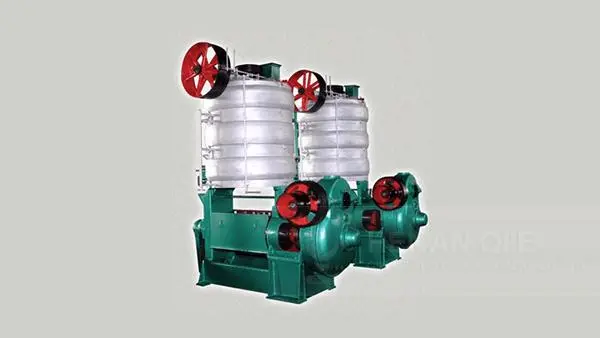
Multi-seed processing should be evaluated as a complete process system, not by selecting an extraction machine alone. For soybean oil projects that may also process rapeseed, sunflower seeds, peanuts, or other oilseeds, the equipment configuration must match raw material properties, pretreatment requirements, extraction performance, solvent recovery, safety controls, and by-product objectives.
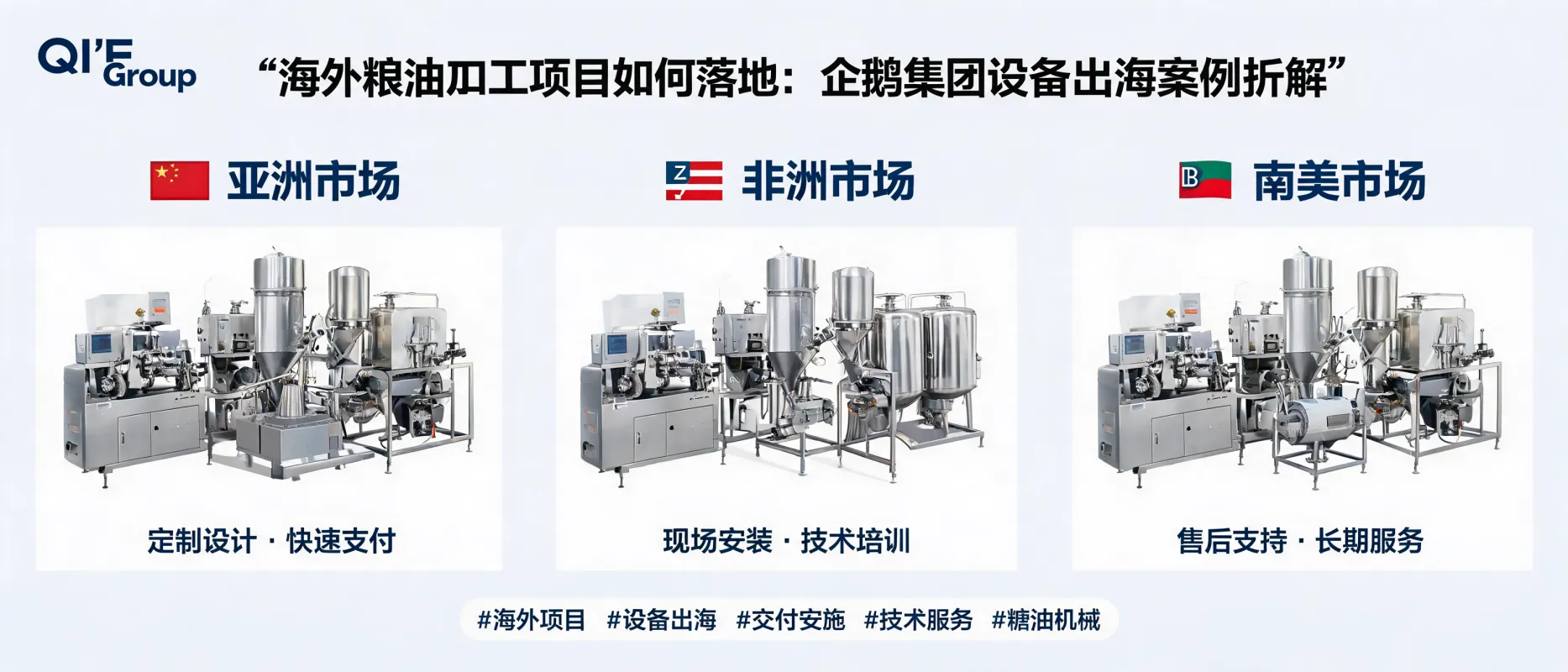
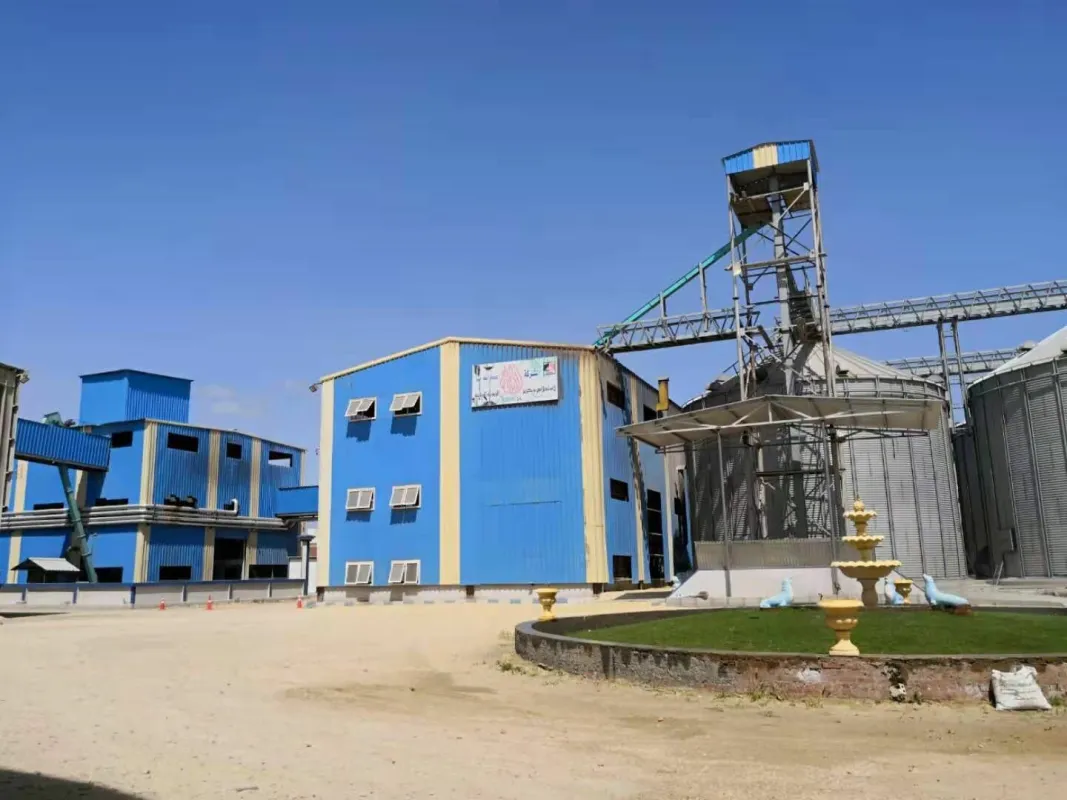
Qi’e Grain and Oil Machinery Co., Ltd. provides soybean oil processing equipment and solvent extraction systems for B2B projects in Asia, Africa, South America, and other international markets. Its engineering approach connects extraction, refining, automation, environmental protection, and technical service into a coordinated oil processing solution.
A soybean oil solvent extraction machine is designed to recover oil from prepared soybean flakes or residual press cake by contacting the material with a solvent. The resulting miscella is separated and processed, while the extracted meal passes through desolventizing and further treatment. When the same facility is expected to handle multiple seeds, the system must be evaluated for process compatibility rather than soybean performance alone.
| Oilseed | Evaluation focus | Potential configuration consideration |
|---|---|---|
| Soybeans | Cleaning, flaking, conditioning, solvent extraction, meal desolventizing, and crude oil filtration. | A complete preparation and extraction line with suitable meal handling and solvent recovery. |
| Rapeseed | Seed characteristics, pretreatment conditions, oil quality targets, and residual meal requirements. | Adjustable preparation and conditioning parameters, together with appropriate cleaning between campaigns. |
| Sunflower seeds | Hull content, material handling, flake quality, and the desired balance between oil recovery and meal quality. | Pretreatment and conveying equipment may require configuration according to seed variety and hull ratio. |
| Peanuts | Raw material cleanliness, moisture, oil characteristics, allergen management, and product changeover procedures. | Dedicated cleaning, storage, and operating procedures may be required when peanuts are processed in a shared facility. |
The table provides an evaluation framework. Final equipment selection should be based on representative raw material tests, target capacity, product specifications, local regulations, and the planned operating schedule.
Vibrating screens, de-stoners, magnetic separators, and related equipment remove foreign materials before further processing. Multi-seed facilities should consider cleaning effectiveness, dust control, and material changeover requirements.
Crushing breaks the seed structure, while flaking increases the available surface area for extraction. Roll mill settings and material conditioning should be matched to the seed being processed.
Controlled heating and moisture adjustment can soften flakes, reduce oil viscosity, and support stable extraction. The operating window may differ between soybeans and other oilseeds.
The prepared material contacts the solvent in the extractor. The system then separates the oil-rich miscella from the extracted meal for downstream treatment.
Solvent is removed from the meal and recovered from the oil-solvent mixture for controlled reuse. This stage influences product safety, operating cost, emissions management, and solvent consumption.
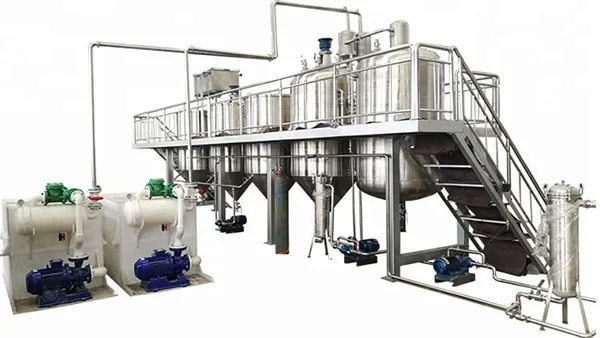
Crude oil filtration removes larger particles before refining. Depending on the final oil specification, refining may include degumming, neutralization, bleaching, and deodorization.
By-products should be assessed as part of the project economics and quality plan. After solvent extraction, the extracted soybean material is desolventized and processed as soybean meal. Meal quality depends on extraction conditions, desolventizing control, moisture, protein requirements, and storage management.
Lecithin is different from soybean meal. It is associated with the degumming stage of crude soybean oil refining, where phospholipids are separated from the oil. Therefore, a project assessment should separately define soybean meal handling and lecithin recovery objectives rather than treating them as the same process output.
A solvent extraction machine cannot be evaluated independently from the preparation, refining, meal handling, utility, and safety systems around it. In multi-seed projects, a configuration that performs well with one raw material may require different settings or additional equipment for another. Reviewing the complete process helps production and operations teams make a more practical comparison of investment, operating requirements, maintenance, product quality, and by-product value.
Qi’e Grain and Oil Machinery Co., Ltd. can support the evaluation of soybean oil extraction equipment, multi-seed processing configurations, oil refining equipment, filtration systems, and related engineering services. A practical assessment begins with the raw material profile, target capacity, desired products, by-product requirements, local safety conditions, and the expected level of automation. This information provides the basis for selecting a suitable soybean oil solvent extraction system and developing a complete, serviceable oil processing solution.
 large capacity soybean oil extraction equipment maintenance solvent extraction equipment lubrication soybean oil processing equipment troubleshooting Pengfei Group oil equipment care extraction equipment maintenance cycle
Qi'e Grain and Oil Machinery Co., Ltd. grain and oil processing equipment oil production line edible oil refining equipment grain and oil processing solutions
edible oil production line equipment oil pressing equipment oil refining equipment oilseed processing Qi'e Grain and Oil Machinery Co., Ltd.
Qi'e Grain and Oil Machinery Co., Ltd. edible oil production line equipment oil pressing equipment edible oil refining equipment oil processing flow
oil processing project process equipment engineering services production line installation equipment commissioning training Qi'e Grain and Oil Machinery Co., Ltd.
large capacity soybean oil extraction equipment maintenance solvent extraction equipment lubrication soybean oil processing equipment troubleshooting Pengfei Group oil equipment care extraction equipment maintenance cycle
Qi'e Grain and Oil Machinery Co., Ltd. grain and oil processing equipment oil production line edible oil refining equipment grain and oil processing solutions
edible oil production line equipment oil pressing equipment oil refining equipment oilseed processing Qi'e Grain and Oil Machinery Co., Ltd.
Qi'e Grain and Oil Machinery Co., Ltd. edible oil production line equipment oil pressing equipment edible oil refining equipment oil processing flow
oil processing project process equipment engineering services production line installation equipment commissioning training Qi'e Grain and Oil Machinery Co., Ltd.




.png?x-oss-process=image/resize,h_100,m_lfit/format,webp)
.png?x-oss-process=image/resize,h_100,m_lfit/format,webp)
.png?x-oss-process=image/resize,h_100,m_lfit/format,webp)



.jpg?x-oss-process=image/resize,m_fill,h_800,w_800/format,webp)