Soybean Oil Solvent Extraction Process: From Pretreatment to Desolventizing
Qi'e Grain and Oil Machinery Co., Ltd.
2026-10-16
Technical Articles
Qi'e Grain and Oil Machinery Co., Ltd. explains the soybean oil solvent extraction process, including pretreatment, leaching, miscella processing, desolventizing, solvent recovery, equipment coordination, and safety considerations.

Soybean oil solvent extraction is an industrial process designed to recover oil from prepared soybean flakes or residual soybean cake with the support of solvent-based extraction, miscella processing, desolventizing, and solvent recovery systems. Qi'e Grain and Oil Machinery Co., Ltd. provides soybean oil extraction equipment and process solutions for project teams evaluating production capacity, process coordination, operating stability, oil recovery, energy use, and safety requirements.
Process scope:
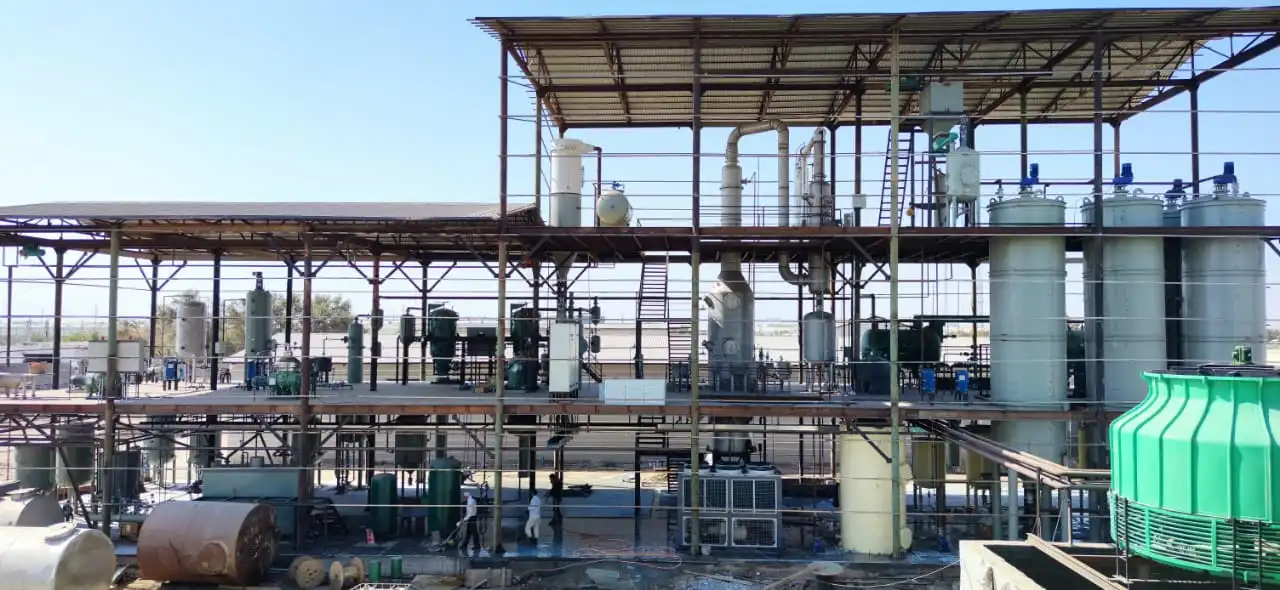
A complete soybean oil solvent extraction line generally connects soybean pretreatment, leaching, miscella separation and processing, desolventizing, solvent recovery, crude oil handling, material conveying, heating, condensation, and sealing systems.
How the Soybean Oil Solvent Extraction Process Works
The process is organized to prepare the soybean material for efficient oil contact, separate the oil-bearing liquid from the solid meal, and recover solvent from both the oil stream and the extracted meal. Equipment selection and operating conditions should be matched to soybean quality, expected throughput, plant layout, and the required product specifications.
1
Cleaning and Pretreatment
Raw soybeans are cleaned to remove dirt, stones, metal particles, and other foreign materials. Vibrating screens, de-stoners, magnetic separators, and related conveying equipment help protect downstream machinery and stabilize material quality.
2
Crushing and Flaking
The cleaned soybeans are reduced in size and passed through flaking equipment. Flakes provide a larger contact area and help make the oil cells more accessible during solvent extraction.
3
Conditioning
Heating and conditioning adjust the physical properties of soybean flakes before leaching. Proper conditioning can support consistent extraction performance and improve material flow through the line.
4
Solvent Leaching
Prepared flakes are brought into contact with a suitable solvent in the extractor. The oil dissolves into the solvent to form miscella, while the solid fraction becomes extracted soybean meal.
5
Miscella Processing
The oil-and-solvent mixture is separated from the solid material and processed through heating, evaporation, and related separation equipment. The objective is to remove solvent from the crude oil while maintaining controlled operating conditions.
6
Desolventizing and Solvent Recovery
The extracted meal is desolventized before further handling, while solvent vapors are condensed and recovered for controlled reuse. This stage is essential for material quality, solvent management, and safe plant operation.
Main Equipment in a Soybean Oil Extraction Line
| Process area |
Typical equipment |
Primary function |
| Pretreatment |
Screens, de-stoners, magnetic separators, crushers, flaking mills, conditioners |
Remove impurities and prepare soybean flakes for extraction |
| Leaching |
Solvent extractor, pumps, material conveyors, sealing systems |
Bring prepared material into controlled contact with solvent |
| Miscella processing |
Heating, evaporation, filtration, and separation equipment |
Separate solvent from extracted crude soybean oil |
| Meal treatment |
Desolventizer, toaster, cooler, and meal conveying equipment |
Remove residual solvent and prepare soybean meal for subsequent use |
| Solvent recovery |
Condensers, recovery units, pipelines, valves, and monitoring components |
Condense and manage solvent for controlled circulation within the process |
Why Equipment Coordination Matters
Soybean oil solvent extraction is not a single-machine operation. Extraction performance depends on the coordination of pretreatment, flake quality, solvent contact, material residence time, heating, condensation, conveying, and sealing. An equipment package should therefore be evaluated as an integrated soybean oil processing system rather than by comparing one machine in isolation.
- Process suitability: The selected configuration should correspond to soybean characteristics, target capacity, product requirements, and the intended production scale.
- Operating stability: Consistent feeding, temperature control, material conveying, and sealing help support stable line operation.
- Oil and meal handling: The process should account for crude soybean oil filtration and the subsequent treatment, cooling, and conveying of soybean meal.
- Energy and solvent management: Heating, evaporation, condensation, and solvent recovery equipment should be coordinated to support practical energy use and controlled solvent circulation.
- Future development: Depending on the project plan, the extraction line may be coordinated with soybean oil refining equipment for further crude oil treatment.
Safety and Control Considerations
Solvent extraction requires a carefully engineered process environment. Because the line involves solvent handling, heating, vapor movement, condensation, and recovery, safety considerations should be incorporated during layout design, equipment selection, installation, commissioning, and operation.
- Use suitable sealing, piping, valves, and connection arrangements to help control solvent leakage.
- Coordinate ventilation, vapor collection, condensation, and solvent recovery systems.
- Provide appropriate monitoring and control of temperature, pressure, material flow, and solvent-related operating conditions.
- Define operating, inspection, maintenance, and emergency procedures for the complete line.
- Ensure the final design and operation comply with applicable local regulations, engineering standards, and site safety requirements.
Choosing a Soybean Oil Solvent Extraction Solution
Technical teams and project managers can begin equipment evaluation by clarifying the following factors:
- Expected soybean processing capacity and planned operating schedule.
- Raw material condition, including cleanliness, moisture, and preparation requirements.
- Whether the project requires extraction only or an integrated line covering oil refining and meal treatment.
- Available building space, utilities, material flow routes, and storage arrangements.
- Required automation level, control approach, maintenance access, and operator training.
- Applicable environmental, fire protection, solvent handling, and occupational safety requirements.
Soybean Oil Processing Support from Qi'e Grain and Oil Machinery Co., Ltd.
Qi'e Grain and Oil Machinery Co., Ltd. develops, manufactures, supplies, and supports grain and oil processing equipment, including oil pressing equipment, oil production line equipment, and edible oil refining equipment. For soybean oil solvent extraction projects, the company can support process planning and equipment coordination covering pretreatment, leaching, miscella processing, desolventizing, solvent recovery, crude oil handling, conveying, heating, condensation, and sealing systems.
With a focus on technological innovation, product quality, and service, Qi'e works with B2B customers and project partners to assess process suitability and develop equipment solutions according to the actual requirements of the soybean oil production line.