

Industry Insight: In Asian and African markets where soybean oil production is rapidly expanding, even a 1% increase in extraction efficiency can translate to approximately $50,000 annual profit for a mid-sized processing plant with daily capacity of 500 tons. Solvent extraction remains the most cost-effective method for large-scale operations, typically achieving 96-98% oil recovery compared to 75-80% with mechanical pressing alone.
As the demand for edible oils continues to rise across developing regions, particularly in Asia and Africa, oil processors face the dual challenge of increasing production capacity while reducing operational costs. Solvent extraction technology, when properly optimized, offers the solution to both objectives. This guide explores practical strategies specifically tailored to the climatic and raw material conditions of these regions, focusing on提升出油率 (oil yield improvement) and降低能耗 (energy consumption reduction) – two critical factors that directly impact profitability.
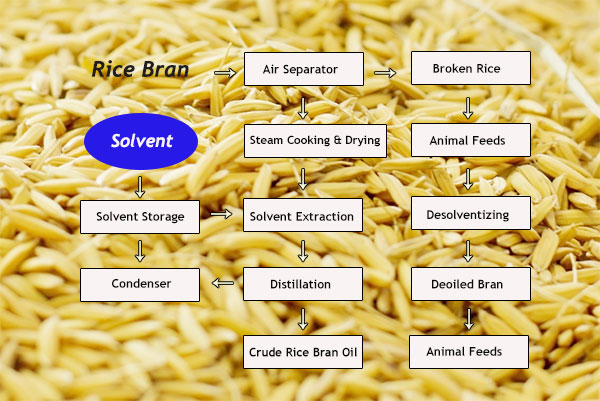
The success of solvent extraction systems in Asia and Africa depends largely on adapting to local conditions:
High ambient temperatures in tropical regions affect solvent volatility and require adjusted condensation systems. For example, in Southeast Asia where temperatures often exceed 32°C, solvent recovery systems need 15-20% higher cooling capacity compared to temperate climates.
Soybean moisture content can range from 8-14% depending on harvest season and storage conditions. African soybeans typically have 2-3% higher moisture than Asian varieties, requiring adjusted pre-treatment parameters to prevent solvent absorption issues.
Effective pre-treatment directly impacts extraction efficiency. Optimal flaking thickness should be maintained between 0.3-0.4mm, with a moisture content of 8-10% entering the extractor. Studies show that improper flaking can reduce oil yield by up to 3%.
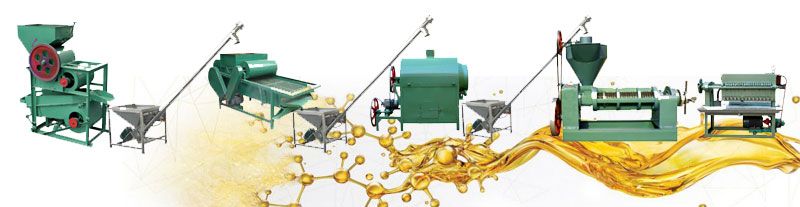
The solvent-to-flour ratio is critical – typically maintained at 1.5:1 to 2:1 for optimal penetration. Temperature should be controlled within 50-55°C for hexane-based systems, with extraction time ranging from 60-90 minutes depending on material characteristics. Penguin Group's technical team recommends implementing continuous monitoring of miscella concentration to adjust solvent ratios in real-time.
"Maintaining proper solvent-to-feed ratio is the single most important factor in extraction efficiency. Our field data from over 50 plants in India and Nigeria shows that facilities with automated ratio control achieve 2-3% higher yields compared to manual adjustment systems."
— AOCS Technical Report, 2023
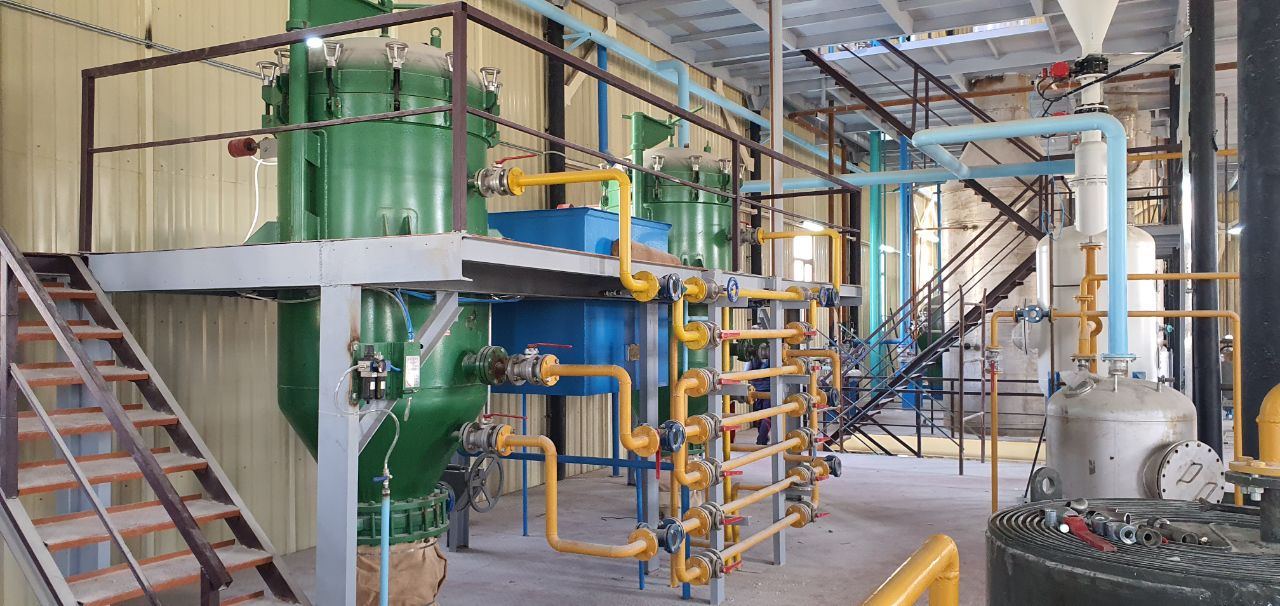
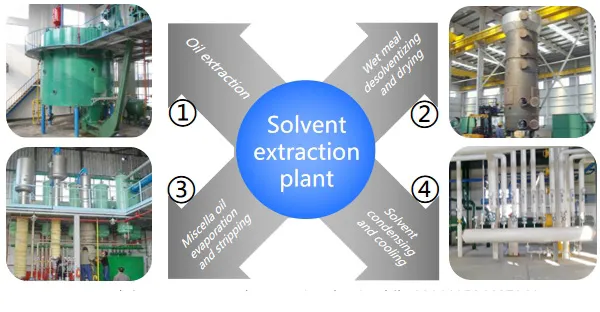
Recovering solvent efficiently reduces both costs and environmental impact. Modern systems should aim for 99.5%+ solvent recovery rates. Energy consumption can be reduced by 20-25% through heat integration between the desolventizer-toaster and distillation units.
Implementing these targeted measures can reduce overall energy consumption by 15-30%:
Adhering to global standards ensures product quality and market access. Key standards include:
These standards cover solvent residue limits, oil quality parameters, and safety requirements essential for exporting to international markets.
Discover how Penguin Group's customized solvent extraction solutions can help your facility achieve 5-8% higher出油率 (oil yield) while reducing energy costs by 15-20%. Our team of experts has successfully implemented over 200 projects across Asia and Africa.
Get Your Free Process AssessmentWhat specific challenges are you facing with your solvent extraction process? Share your experiences with yield fluctuations, energy consumption issues, or equipment reliability problems in the comments section below. Our technical team regularly responds to industry questions and may feature your challenge in an upcoming technical bulletin.
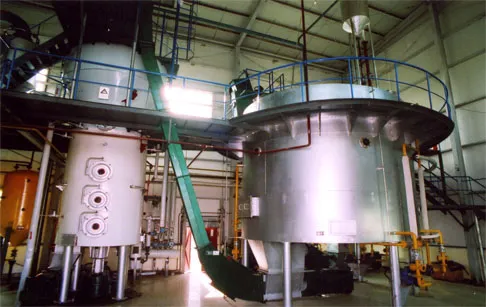
 solvent extraction equipment for soybean meal
advanced feed pellet processing
low oil content soybean meal
solvent recovery system
sustainable feed manufacturing
low free fatty acid soybean oil
baked goods shelf life
oil acid value control
peroxide value management
refined soybean oil for baking
solvent extraction method
animal feed meal production
soybean oil extraction
oil content reduction in soybean meal
solvent recovery technology
low free fatty acid soybean oil
refined soybean oil for baking
cookie crispness improvement
food oil oxidative stability
baking shelf life extension
soybean oil refining equipment
energy-saving refining equipment
compact plant design
oil processing energy efficiency
automated refining process
solvent extraction equipment for soybean meal
advanced feed pellet processing
low oil content soybean meal
solvent recovery system
sustainable feed manufacturing
low free fatty acid soybean oil
baked goods shelf life
oil acid value control
peroxide value management
refined soybean oil for baking
solvent extraction method
animal feed meal production
soybean oil extraction
oil content reduction in soybean meal
solvent recovery technology
low free fatty acid soybean oil
refined soybean oil for baking
cookie crispness improvement
food oil oxidative stability
baking shelf life extension
soybean oil refining equipment
energy-saving refining equipment
compact plant design
oil processing energy efficiency
automated refining process

.jpg?x-oss-process=image/resize,h_800,m_lfit/format,webp)




.png?x-oss-process=image/resize,h_100,m_lfit/format,webp)
.png?x-oss-process=image/resize,h_100,m_lfit/format,webp)
.png?x-oss-process=image/resize,h_100,m_lfit/format,webp)

.jpg?x-oss-process=image/resize,h_800,m_lfit/format,webp)


.jpg?x-oss-process=image/resize,h_800,m_lfit/format,webp)
