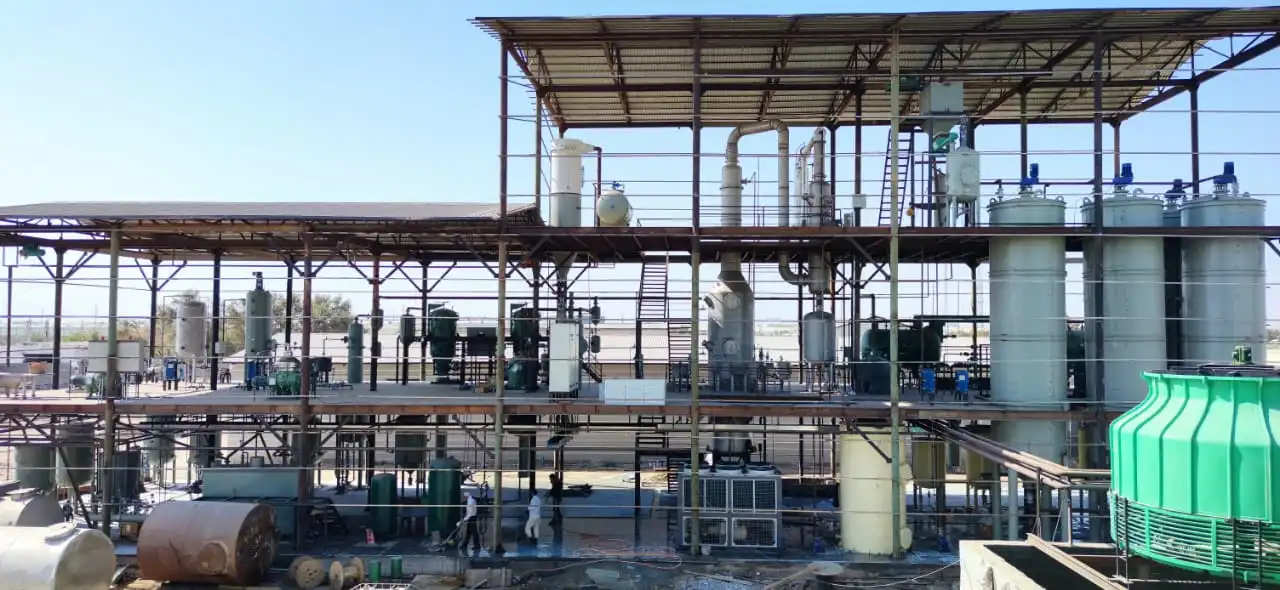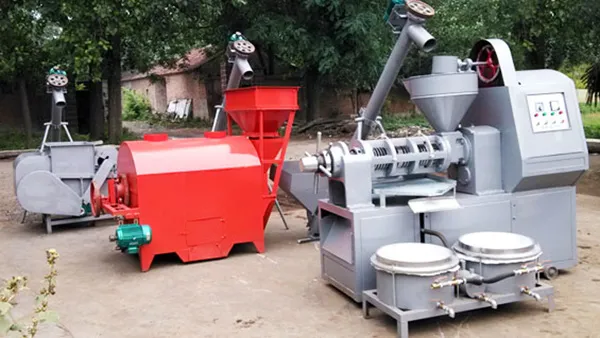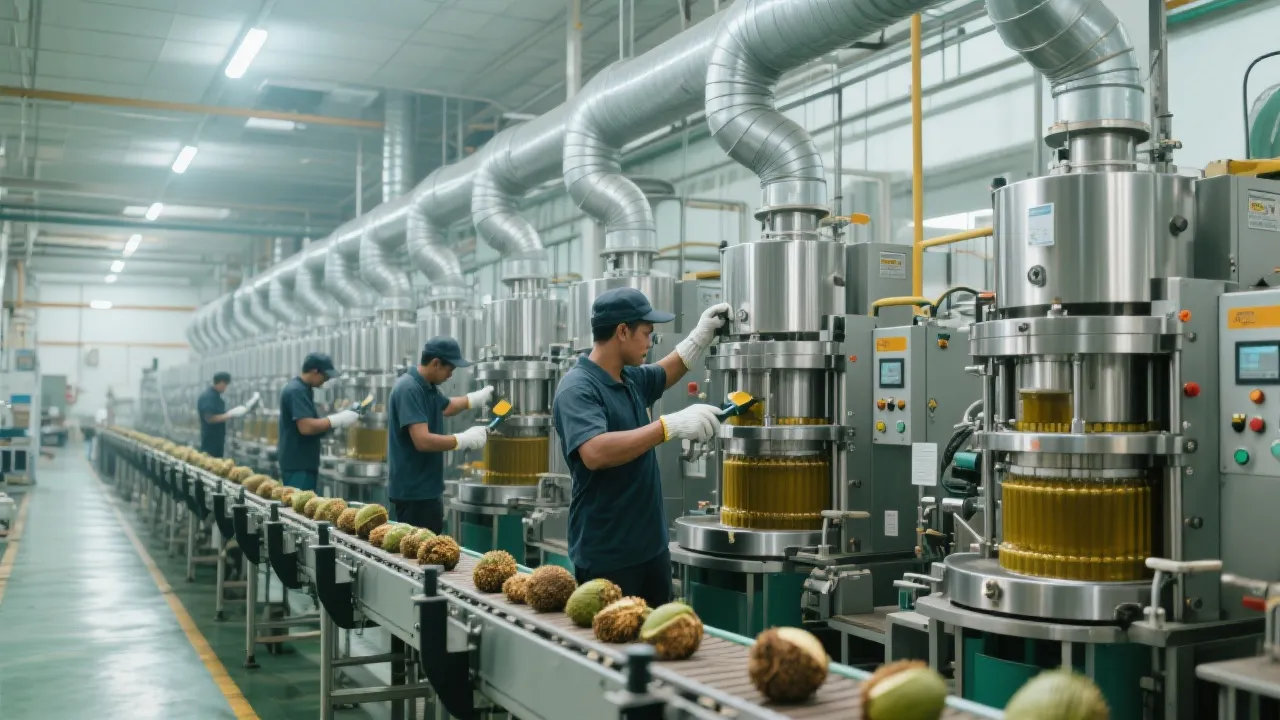
You're not alone if your soybean oil extraction rate hovers around 17–19% instead of the industry-standard 21–23%. Many small and mid-sized oil mills face this challenge daily—often due to outdated processes that let valuable oil escape through residue, oxidation, or poor filtration.
Traditional presses often require manual oil separation after pressing. This delay allows heat and oxygen to degrade the oil, reducing yield by up to 4–6 percentage points. For a mill processing 5 tons/day, that’s 200–300 kg of lost oil monthly—a direct hit on profit margins.
| Process Step | Typical Yield Loss (%) | Key Issue |
|---|---|---|
| Post-press Storage | 2–3% | Oxidation during waiting time |
| Manual Filtration | 1–2% | Inconsistent pressure & timing |
| Hot Press + Cold Filter | 3–5% | Thermal degradation + emulsification |
Modern automatic filter press systems integrate with both hot and cold press lines—allowing immediate separation of oil from cake. In real-world applications, this reduces residual oil in meal from 6% to under 3%, while improving crude oil clarity (measured as turbidity ≤ 10 NTU).
Here’s what makes it work:
Operators often push presses beyond optimal pressure (e.g., >25 bar) hoping for more oil—but this causes charring and gum formation, which lowers quality and increases cleaning time. A better approach? Match moisture content (typically 7–9%) to press settings using automated sensors.
Pro Tip: Run weekly viscosity tests on extracted oil. If it exceeds 50 cP at room temperature, your filtration system may be undersized—or your pre-heating stage too aggressive.
One client in India reported an 8% increase in yield within two weeks of switching to continuous filtration. No new equipment was needed—just optimized process flow and proper maintenance.
Leave a comment below—we’ll help you diagnose your setup based on your current parameters.
See How Our Auto-Filter Press Can Improve Your Output


.png?x-oss-process=image/resize,h_100,m_lfit/format,webp)
.png?x-oss-process=image/resize,h_100,m_lfit/format,webp)
.png?x-oss-process=image/resize,h_100,m_lfit/format,webp)
.jpg?x-oss-process=image/resize,h_800,m_lfit/format,webp)