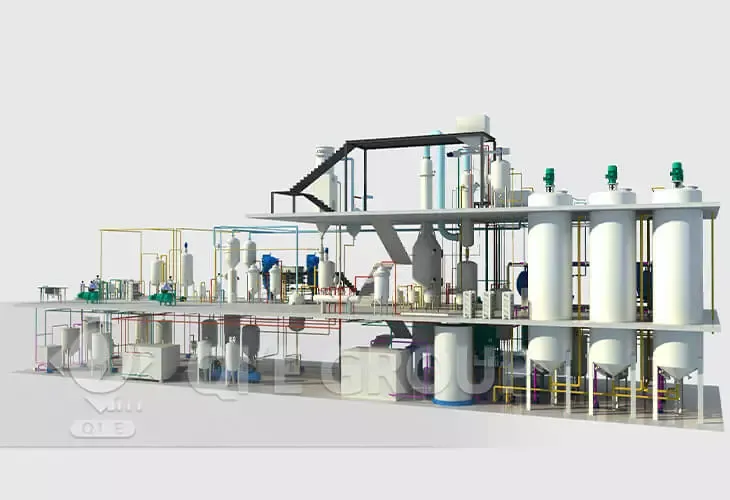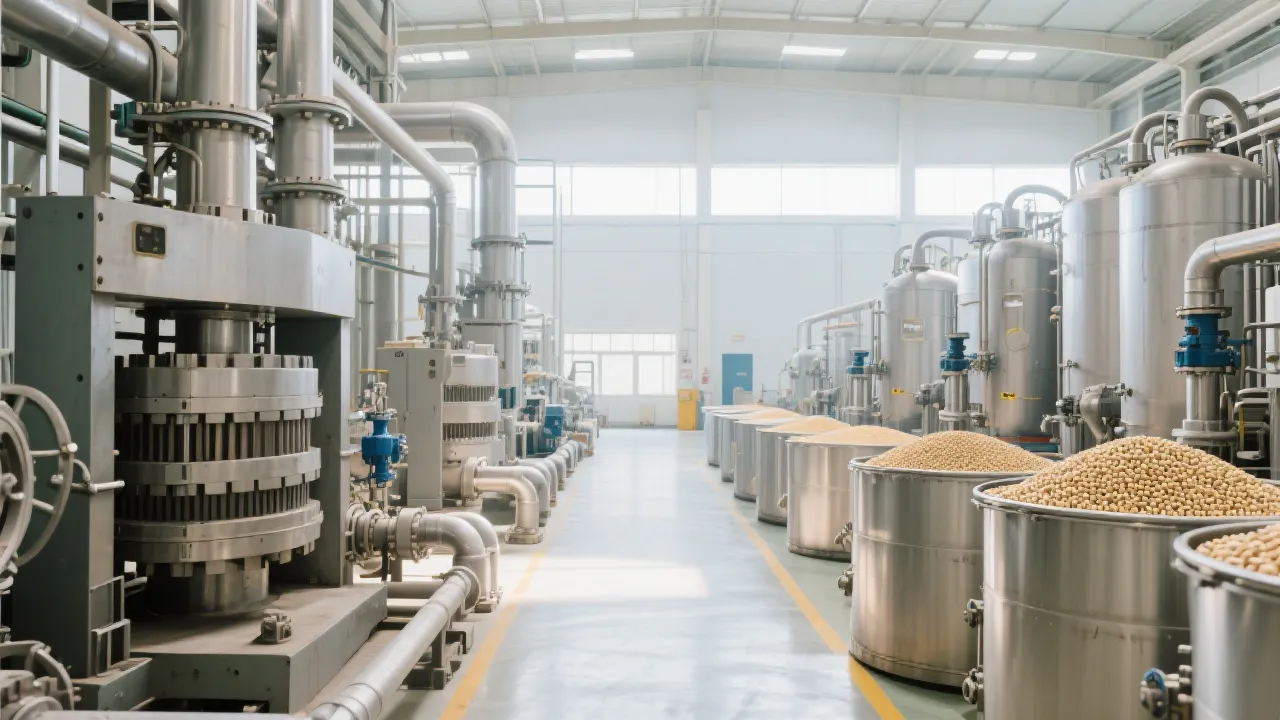
When it comes to extracting soybean oil, there are several common sources of loss that can significantly impact your bottom line. Residual oil is a major culprit. In traditional extraction methods, a considerable amount of oil remains in the press cake, leading to lower overall yields. For example, in some small and medium - sized oil mills, the residual oil in the press cake can be as high as 10 - 15%. Oxidation of the oil is another issue. Once the oil is exposed to air, light, and high temperatures during the extraction process, it can quickly oxidize, resulting in a loss of quality and quantity. Oxidized oil not only has a shorter shelf - life but also has an unpleasant odor and taste. Additionally, impurities in the oil, such as solid particles and gums, can interfere with the extraction process and reduce the efficiency of oil separation.
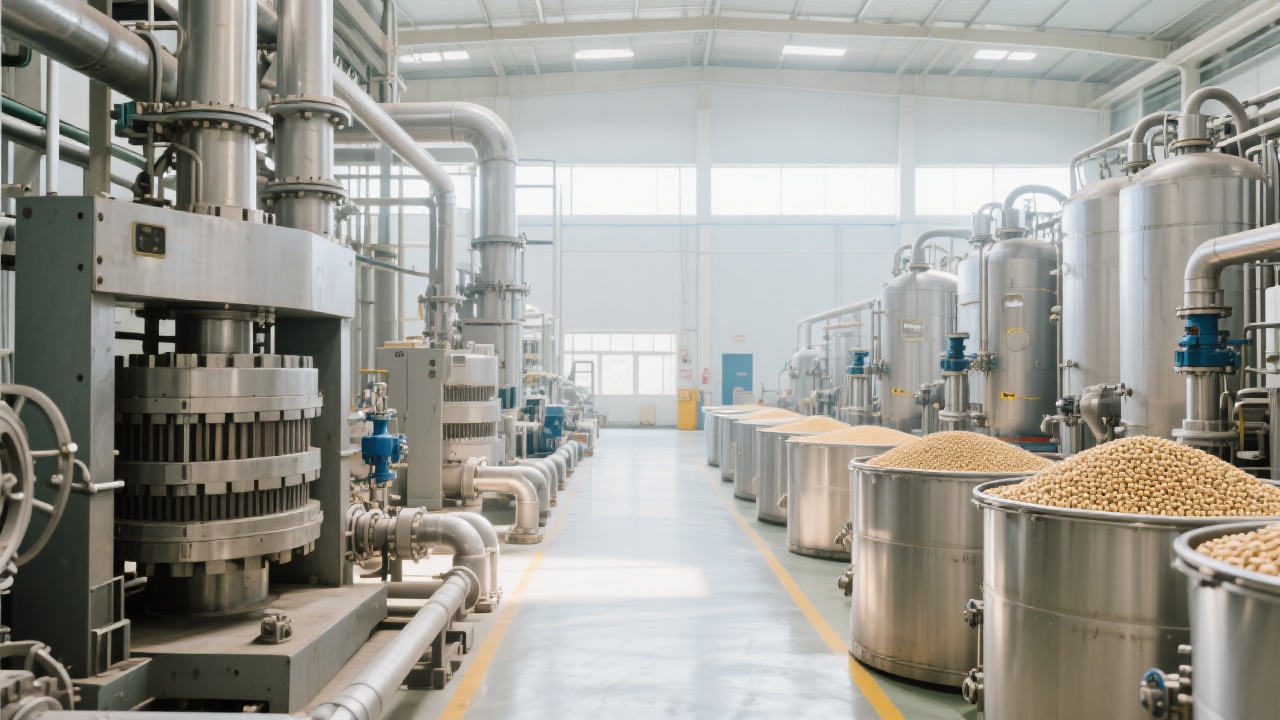
The oil - filtering system integrated into the automatic press plays a crucial role in both hot and cold pressing scenarios. In hot pressing, the high temperature can accelerate the oil extraction process, but it also increases the risk of oxidation. The oil - filtering system can immediately filter the extracted oil, separating it from the air and reducing the contact time that leads to oxidation. In cold pressing, although the temperature is lower, the oil still needs to be filtered to remove impurities. The system works by using a fine - mesh filter that allows the oil to pass through while retaining solid particles and other contaminants. This ensures that the oil is clean and of high quality right from the start of the extraction process.
Traditional pressing methods often involve separate steps of pressing and filtering. This not only takes more time but also increases the chances of oil oxidation and contamination. In contrast, the integrated automatic filtering equipment combines the pressing and filtering processes into one. This continuous operation reduces the overall processing time and minimizes the exposure of the oil to the external environment. For example, traditional methods may take several hours to complete a batch of oil extraction, while the integrated system can achieve the same result in less than half the time. Moreover, the traditional methods may have an oil oxidation rate of up to 5%, while the integrated system can reduce this rate to less than 1%.
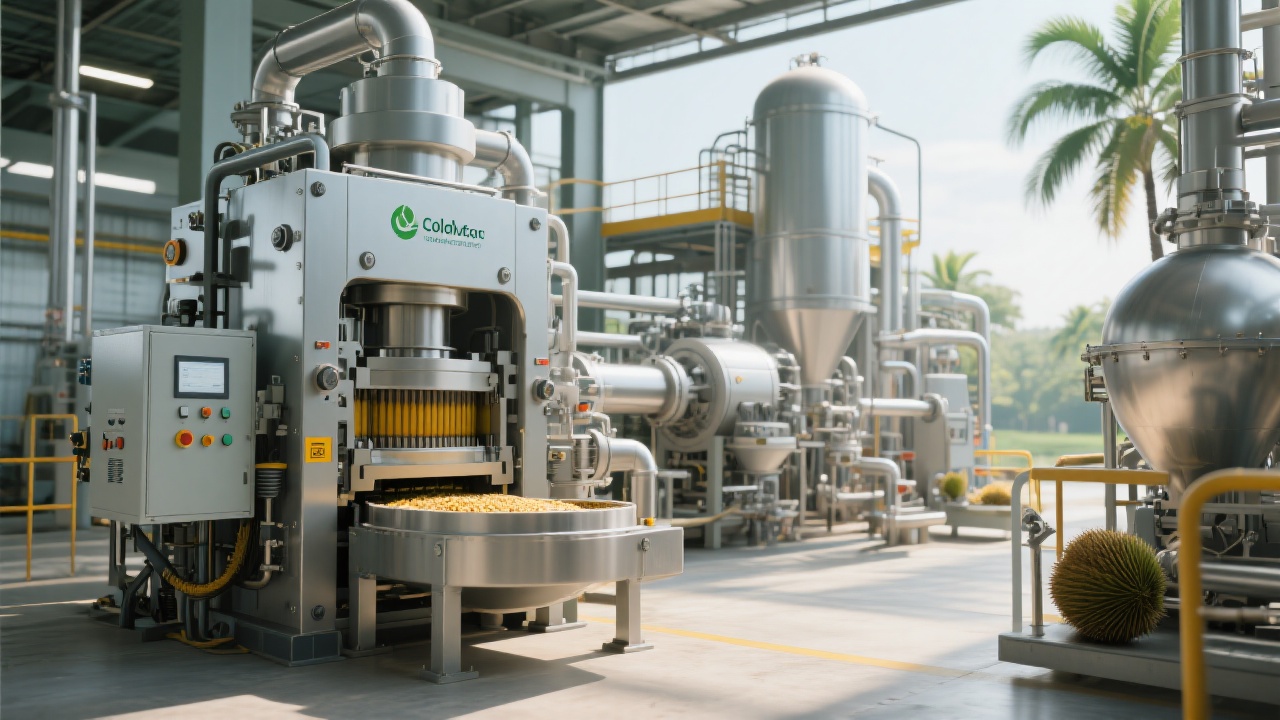
To optimize the performance of the automatic filtering press, it is essential to adjust the operational parameters correctly. Temperature control is a key factor. In hot pressing, the temperature should be maintained between 100 - 120°C. This temperature range can ensure efficient oil extraction without causing excessive oxidation. For cold pressing, the temperature should be kept below 60°C to preserve the natural nutrients in the oil. Another important parameter is the pressing pressure. The optimal pressing pressure for soybean oil extraction is between 30 - 50 MPa. By adjusting these parameters, you can achieve a more efficient extraction process and improve the quality of the oil.
Let's take a look at some real - world examples. A small - scale oil mill in [Location] used to have an average soybean oil yield of 18%. After installing the automatic filtering press with an oil - filtering system, the yield increased to over 26%, a significant improvement of more than 8%. Another medium - sized oil mill in [Another Location] also reported similar results. By optimizing the process with the new equipment, they were able to increase their net oil production by 10% within a few months. These case studies clearly demonstrate the effectiveness of the integrated automatic filtering equipment in improving the soybean oil yield.
One common misunderstanding is that higher pressure always means higher oil yield. In fact, excessive pressure can lead to problems such as over - pressing, which can cause the oil to become burnt and reduce its quality. Another mistake is ignoring the importance of temperature control. Some operators may think that as long as the press is running, the oil will be extracted. However, improper temperature can lead to increased oxidation and reduced oil quality. To correct these misunderstandings, it is important to follow the recommended operational parameters and understand the scientific principles behind the extraction process.

3 key points to remember: First, understand the common loss sources in oil extraction. Second, make full use of the advantages of the integrated automatic filtering equipment. Third, adjust the operational parameters correctly. By doing so, you can optimize your soybean oil extraction process and achieve higher yields.
Click here to learn more about how to improve your soybean oil extraction process!


.png?x-oss-process=image/resize,h_100,m_lfit/format,webp)
.png?x-oss-process=image/resize,h_100,m_lfit/format,webp)
.png?x-oss-process=image/resize,h_100,m_lfit/format,webp)

.jpg?x-oss-process=image/resize,h_800,m_lfit/format,webp)